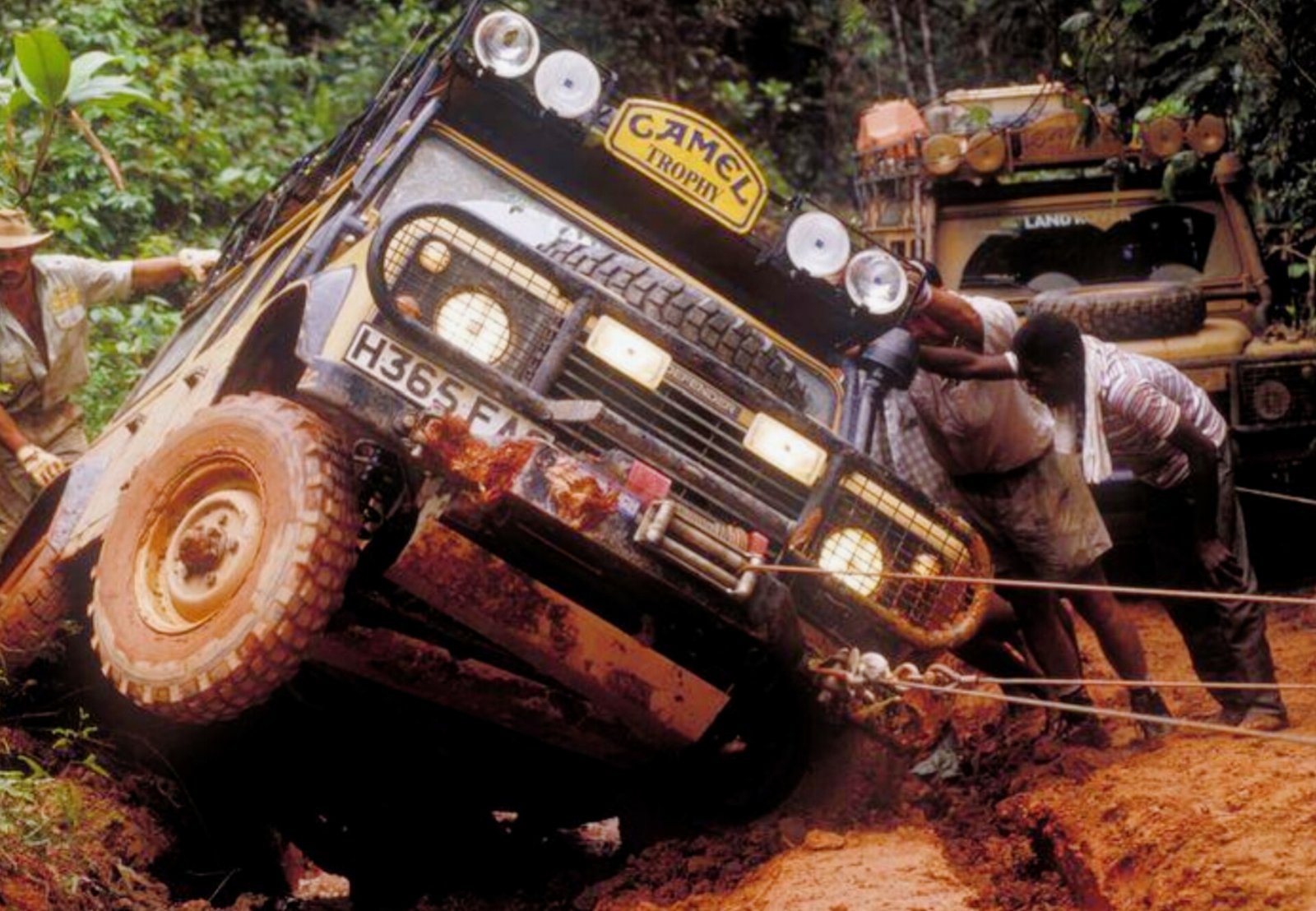
Before modern SUVs became symbols of luxury and lifestyle, there was one name that represented true adventure and extreme exploration: Camel Trophy.
Known as the “Olympics of 4×4 Adventure,” Camel Trophy was one of the toughest off-road expeditions in automotive history. Held from 1980 to 2000, the event challenged drivers, navigators, and vehicles to survive some of the most difficult environments on Earth.
Land Rover became the legendary vehicle behind Camel Trophy, using models such as the Range Rover, Land Rover 90, Land Rover 110, Defender, and Discovery. These vehicles were modified with expedition equipment and tested through deep mud, rivers, mountains, and remote jungle trails.
Indonesia became one of the most important destinations in Camel Trophy history, with several expeditions taking place across the country’s vast tropical landscapes.
Camel Trophy Sumatra 1981
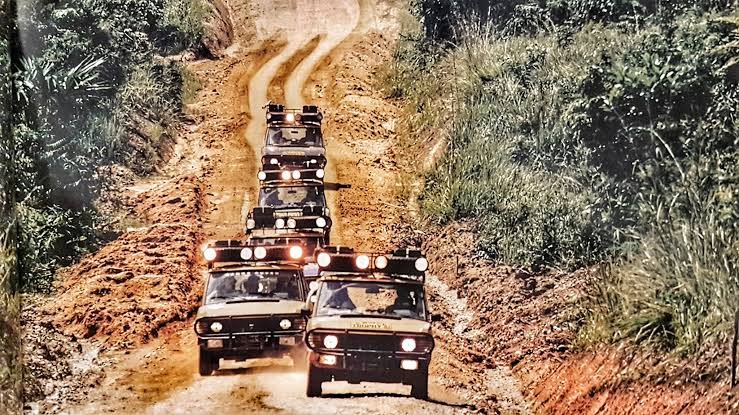
Location: Sumatra Island
Year: 1981
The first Camel Trophy expedition in Indonesia took place in 1981 on Sumatra Island.
This journey introduced the world to the incredible capability of Land Rover vehicles in Indonesia’s extreme tropical environment.
Participants faced:
- Dense rainforests
- Deep mud trails
- Large rivers
- Remote areas with almost no infrastructure
The expedition used the Range Rover, proving that Land Rover’s four-wheel-drive technology could handle some of the toughest terrain in Southeast Asia.
Camel Trophy Borneo 1985
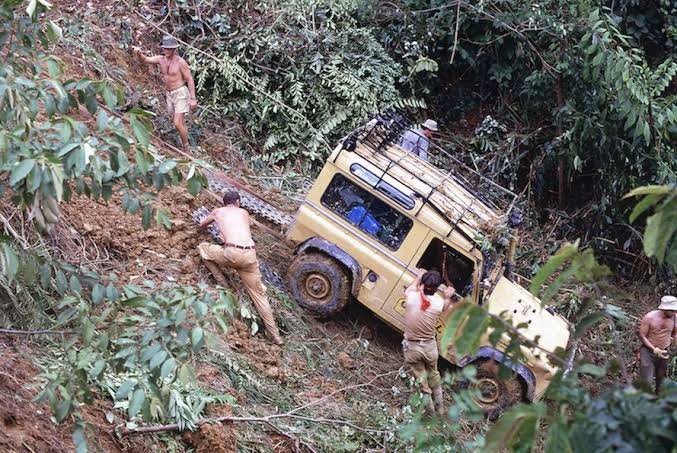
Location: East Kalimantan, Borneo
Route: Samarinda – Balikpapan
Year: 1985
Four years later, Camel Trophy returned to Indonesia for one of its most memorable challenges.
The 1985 Borneo expedition pushed drivers and vehicles to their limits. The island’s tropical rainforest created a brutal environment filled with mud, rivers, and unpredictable weather.
The route included:
- Remote jungle tracks
- Flooded areas
- Rocky terrain
- Extreme off-road conditions
The vehicles used were the Land Rover 90 and Land Rover 110, which became icons of the Camel Trophy era.
The Borneo expedition became famous because some vehicles had to deal with severe flooding and difficult recovery situations, showing the importance of teamwork and Land Rover’s durability.
Camel Trophy Sulawesi 1988
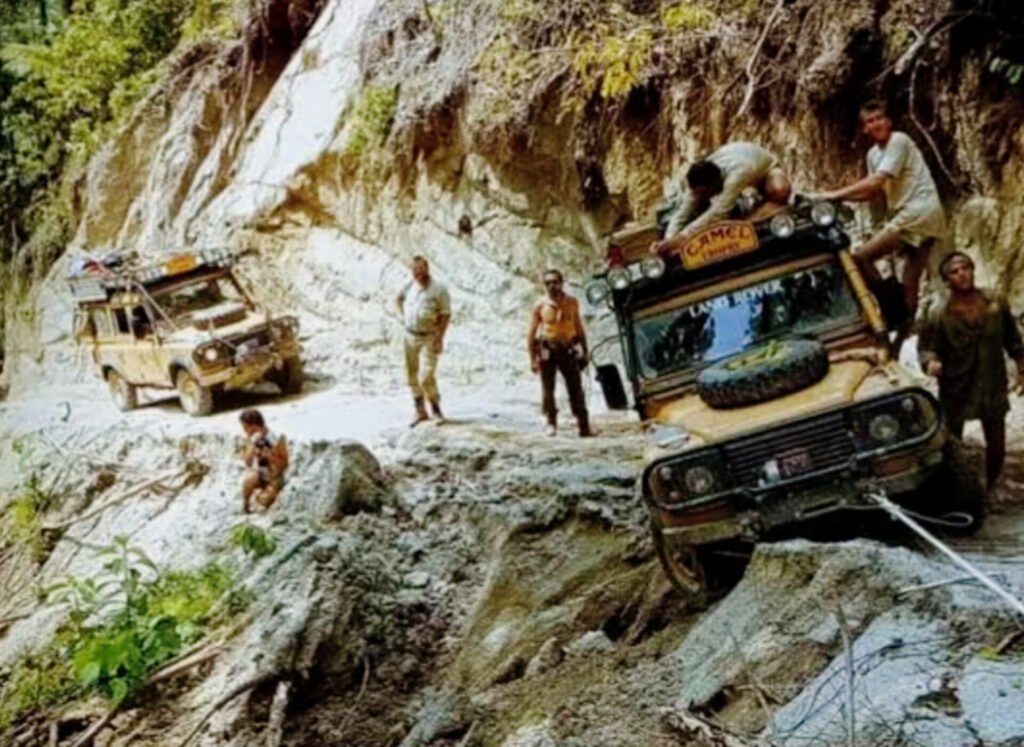
Location: Sulawesi Island
Route: Manado – Torajaland – Ujung Pandang (Makassar)
Year: 1988
Indonesia hosted Camel Trophy again in 1988, this time exploring the challenging landscapes of Sulawesi.
The expedition started in Manado, traveled through the famous Torajaland region, and finished in Ujung Pandang (now Makassar).
Using the Land Rover 110, participants experienced:
- Mountain roads
- Tropical forests
- Rocky trails
- Heavy mud conditions
Sulawesi became one of the most unforgettable Camel Trophy routes because of its combination of mountains, jungle, and remote villages.
Camel Trophy Kalimantan 1996
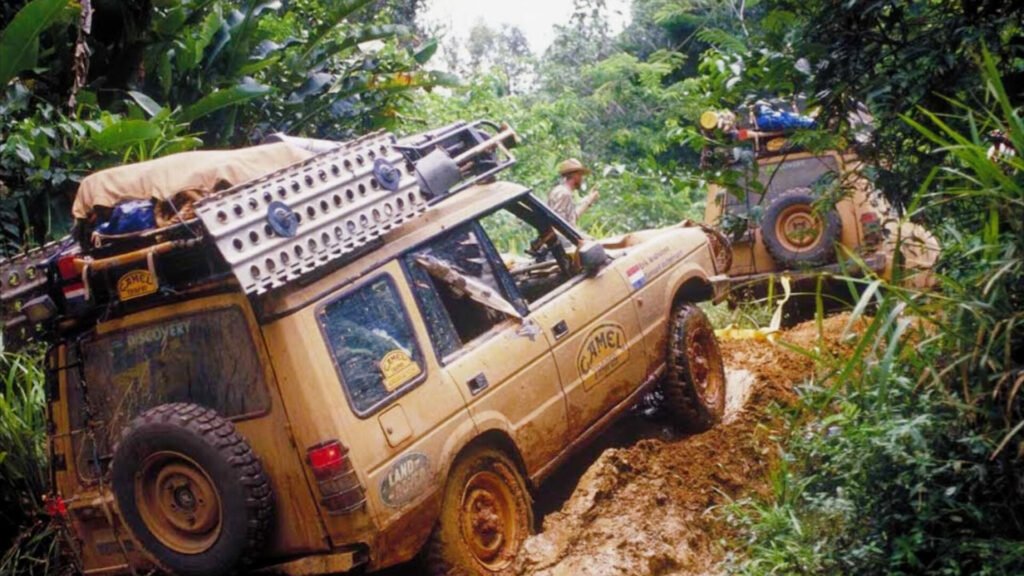
Location: Kalimantan (Borneo)
Year: 1996
After years of worldwide expeditions, Camel Trophy returned to Indonesia in 1996, once again exploring the challenging forests of Kalimantan.
By this era, the Land Rover Discovery had become one of the main vehicles used in Camel Trophy.
The 1996 expedition highlighted the Discovery’s ability to combine comfort with serious off-road performance while facing:
- Deep jungle trails
- River crossings
- Mud-filled terrain
- Long-distance expedition routes
Camel Trophy Indonesia Timeline
| Year | Location | Main Vehicle |
|---|---|---|
| 1981 | Sumatra | Range Rover |
| 1985 | East Kalimantan (Borneo) | Land Rover 90 & 110 |
| 1988 | Sulawesi | Land Rover 110 |
| 1996 | Kalimantan (Borneo) | Land Rover Discovery |
The Legacy of Camel Trophy in Indonesia
Today, Camel Trophy remains a legendary chapter in Indonesian off-road culture.
Many Land Rover enthusiasts restore classic vehicles with the famous Camel Trophy look, featuring:
- Sandglow Yellow paint
- Roof rack systems
- Front winches
- Snorkels
- Auxiliary lights
- Expedition equipment
- All-terrain tires
For Land Rover fans, Camel Trophy was never just about driving from one place to another. It represented exploration, teamwork, endurance, and the ability to overcome nature’s toughest challenges.
Indonesia played a major role in this history, proving that the country’s jungles, mountains, and rivers were among the ultimate tests for one of the world’s greatest 4×4 legends.

Adhe is part of the 88 Eight Box Editorial Team, covering JDM culture, motorsport, automotive technology, and industry news. The team focuses on delivering original automotive stories, reviews, and insights for enthusiasts worldwide.