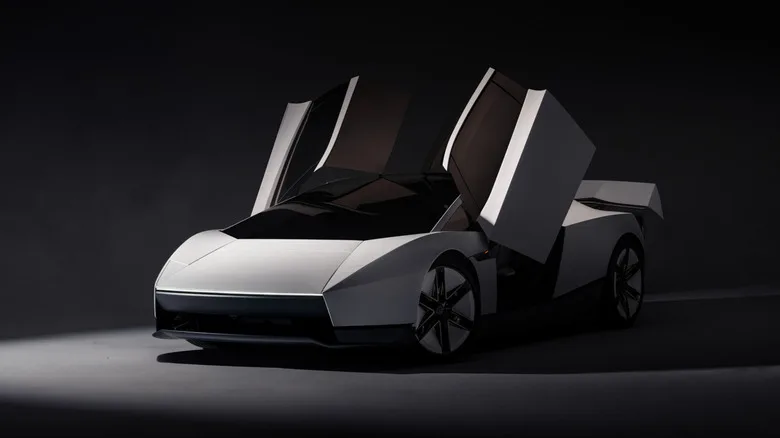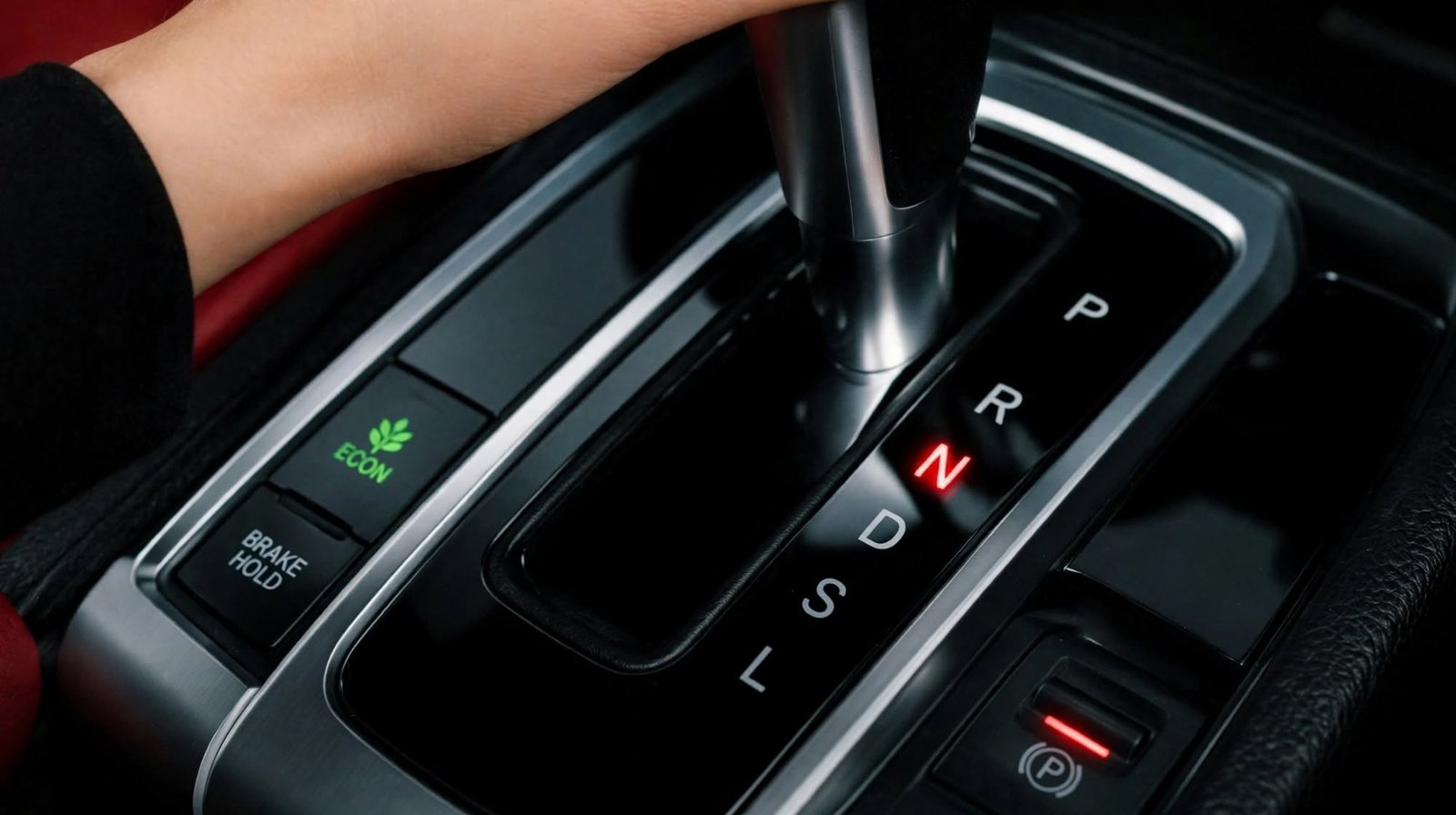
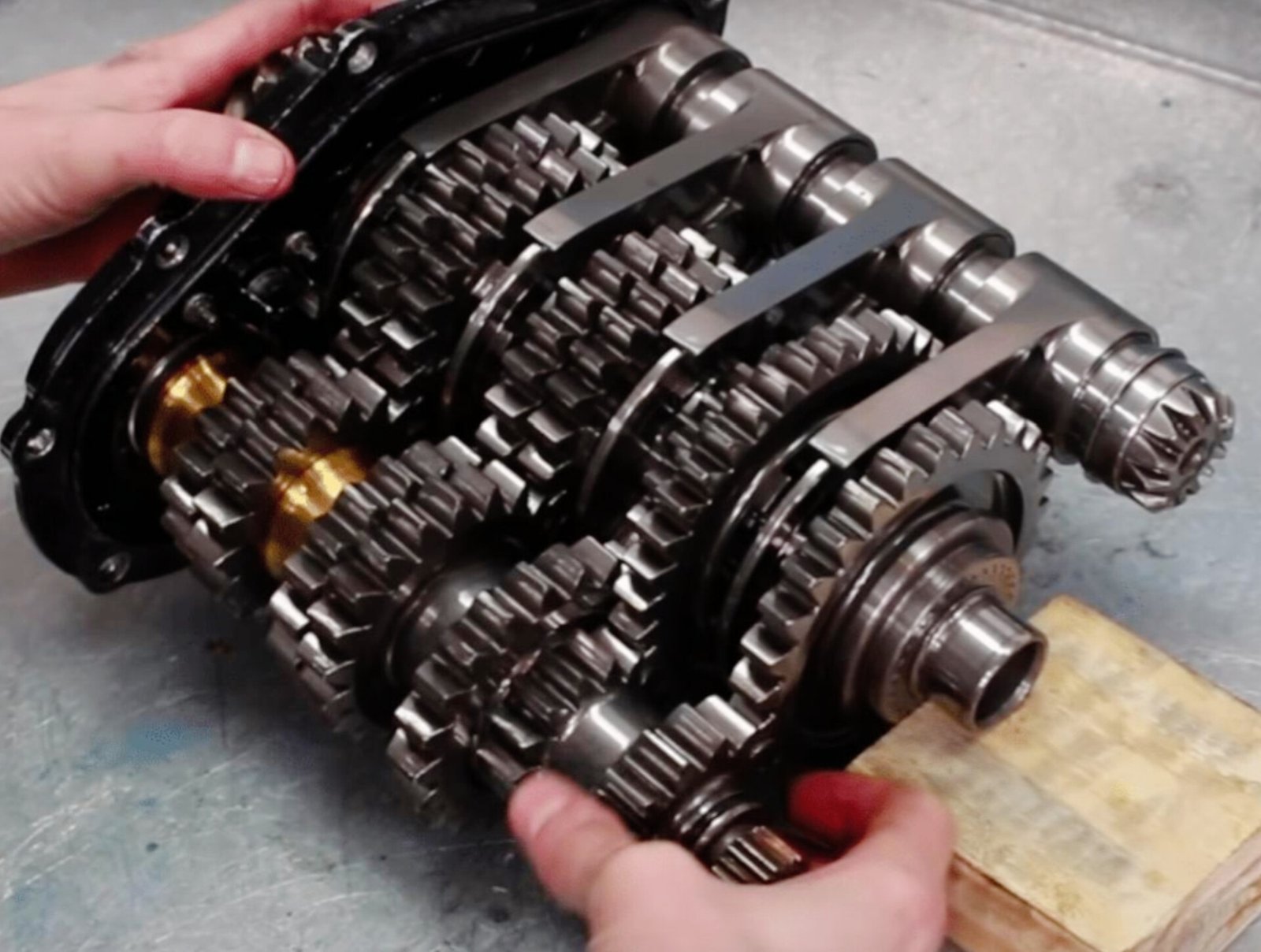
When people watch a Formula 1 race, the focus is usually on the roaring engines, aggressive overtakes, and incredible driving skills. However, behind every acceleration, every corner exit, and every record-breaking lap time, there is a highly advanced piece of engineering working silently: the F1 gearbox.
A Formula 1 gearbox is not just a device for changing gears. It is a precision machine designed to handle extreme power, enormous forces, and hundreds of gear changes during a single race. In modern F1, even a fraction of a second during a shift can determine whether a driver wins or loses.
A Transmission Built for Maximum Performance
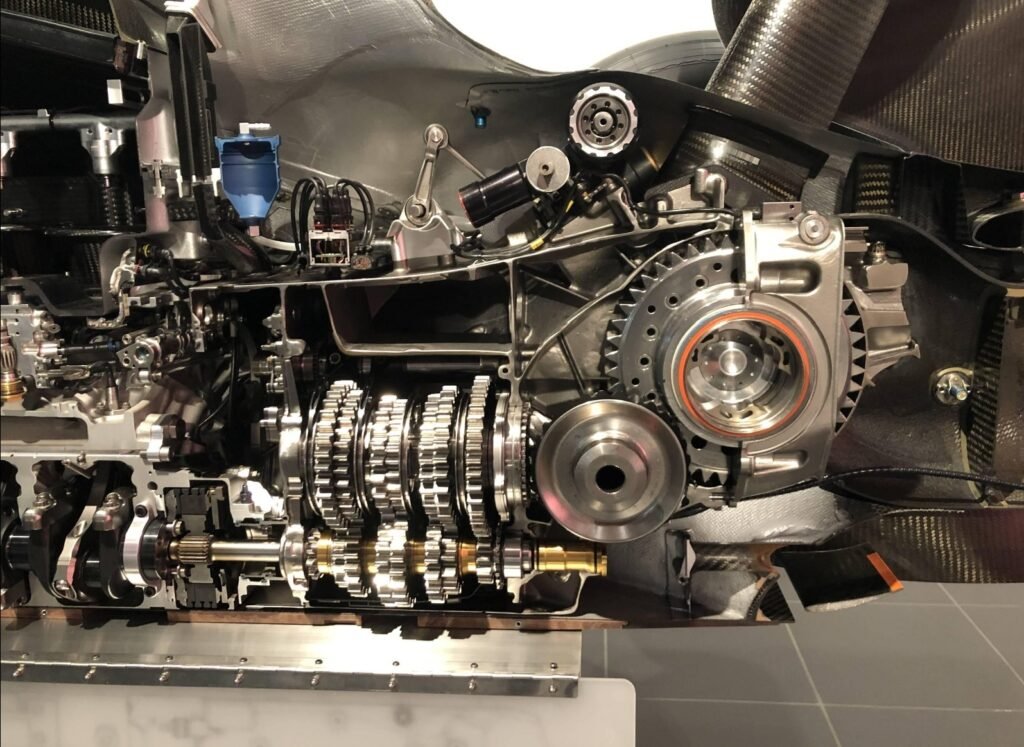
Modern Formula 1 cars use a semi-automatic sequential gearbox. Unlike road cars, F1 drivers do not use a traditional gear lever or a clutch pedal for every shift. Instead, they control gear changes using paddle shifters located behind the steering wheel.
The right paddle is used for upshifts, while the left paddle controls downshifts. This allows drivers to keep both hands on the steering wheel while managing the car at extreme speeds.
A current F1 gearbox features eight forward gears and one reverse gear, carefully designed to match the characteristics of the powerful 1.6-liter turbocharged V6 hybrid power unit.
How Power Travels Through an F1 Car
The journey of power in a Formula 1 car follows a highly optimized path:
V6 Turbo Hybrid Engine → Clutch → Gearbox → Differential → Rear Wheels → Tires
The gearbox acts as the bridge between the engine and the wheels. Its job is to deliver the engine’s massive power in the most efficient way possible while keeping the car within its optimal performance range.
At low speeds, lower gears provide maximum torque to help the car accelerate. As speed increases, higher gears allow the car to continue building speed while keeping engine performance efficient.
Lightning-Fast Gear Changes
One of the most impressive features of an F1 gearbox is its incredible shifting speed.
Formula 1 cars use advanced systems such as seamless shift technology, which allows gear changes to happen extremely quickly with minimal interruption of power delivery.
A normal road car may experience a noticeable pause during shifting, but an F1 car can complete a gear change in just milliseconds. The engine electronics, hydraulic actuators, and gearbox systems work together to ensure the car continues accelerating almost without interruption.
The Role of Electronics and Computers
Although drivers control gear changes through paddle shifters, modern F1 gearboxes rely heavily on sophisticated electronics.
The system constantly monitors:
- Engine RPM
- Vehicle speed
- Throttle position
- Tire grip
- Steering angle
- Racing conditions
This information helps the gearbox operate at the perfect moment, ensuring maximum acceleration and stability.
During downshifts, the system also performs automatic rev matching. This adjusts engine speed to match the lower gear, preventing sudden shocks that could upset the balance of the car.
Gearbox and Cornering Performance
An F1 gearbox is not only important on straight sections. It plays a major role when the car enters and exits corners.
During heavy braking, drivers can rapidly downshift from eighth gear to second or third gear within seconds. The gearbox must handle this extreme workload while maintaining stability.
After the corner, the correct gear selection allows the driver to apply throttle earlier and achieve the strongest possible acceleration.
The Importance of the Differential
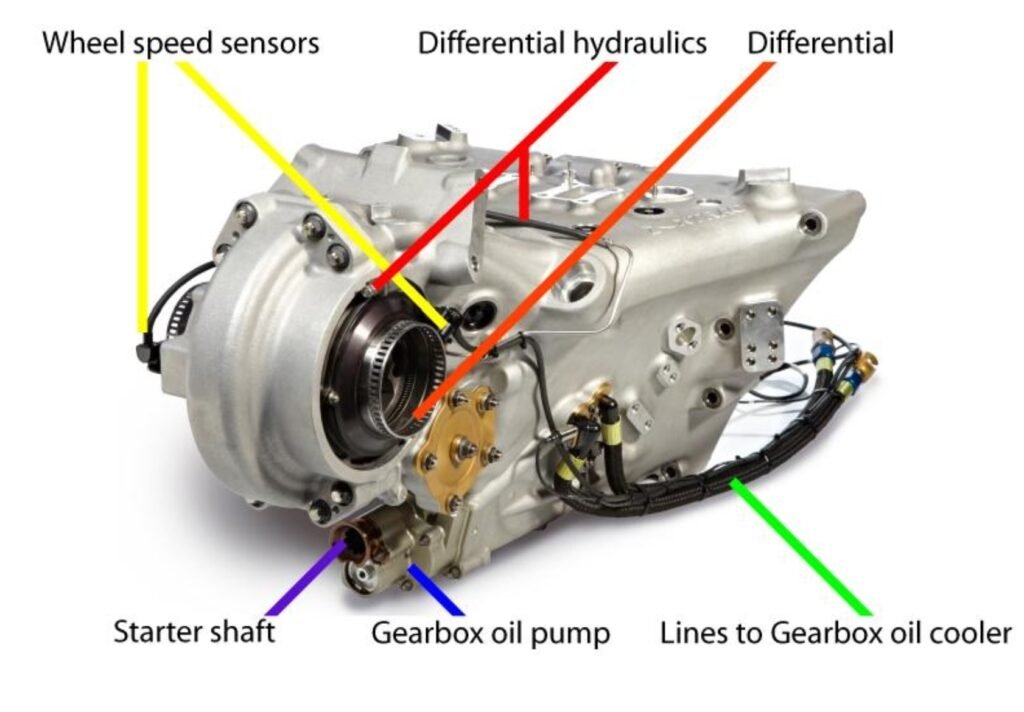
After the gearbox, power is sent to the differential. This component allows the rear wheels to rotate at different speeds during cornering.
Without a differential, the tires would struggle for grip and the car would become difficult to control.
F1 teams can adjust differential settings to improve corner entry, mid-corner balance, and traction when accelerating out of turns.
Built From Advanced Materials
Because Formula 1 cars must be extremely light but incredibly strong, gearbox components are made from advanced materials such as:
- Titanium
- Magnesium alloys
- Carbon fiber composites
Every component is manufactured with extreme precision because the gearbox must survive high temperatures, massive forces, and thousands of gear changes throughout a season.
A single F1 gearbox can cost hundreds of thousands of dollars due to its advanced engineering and specialized manufacturing process.
Why F1 Gearboxes Fail
Despite being among the most advanced transmissions in the world, F1 gearboxes operate under brutal conditions.
They must withstand:
- Extreme engine power
- High RPM operation
- Rapid gear changes
- Heavy braking forces
- Constant temperature stress
A gearbox failure can immediately destroy a team’s race strategy and may even force a driver to retire from a Grand Prix.
The Hidden Weapon Behind F1 Success
The Formula 1 gearbox represents the perfect combination of mechanical engineering and computer technology. It transforms thousands of horsepower from the engine into controlled, usable performance on the track.
In Formula 1, where races are often decided by milliseconds, the gearbox is not just a component — it is a weapon. Behind every record lap, every overtake, and every championship victory, there is a transmission system working at the absolute limit of engineering.

Adhe is part of the 88 Eight Box Editorial Team, covering JDM culture, motorsport, automotive technology, and industry news. The team focuses on delivering original automotive stories, reviews, and insights for enthusiasts worldwide.