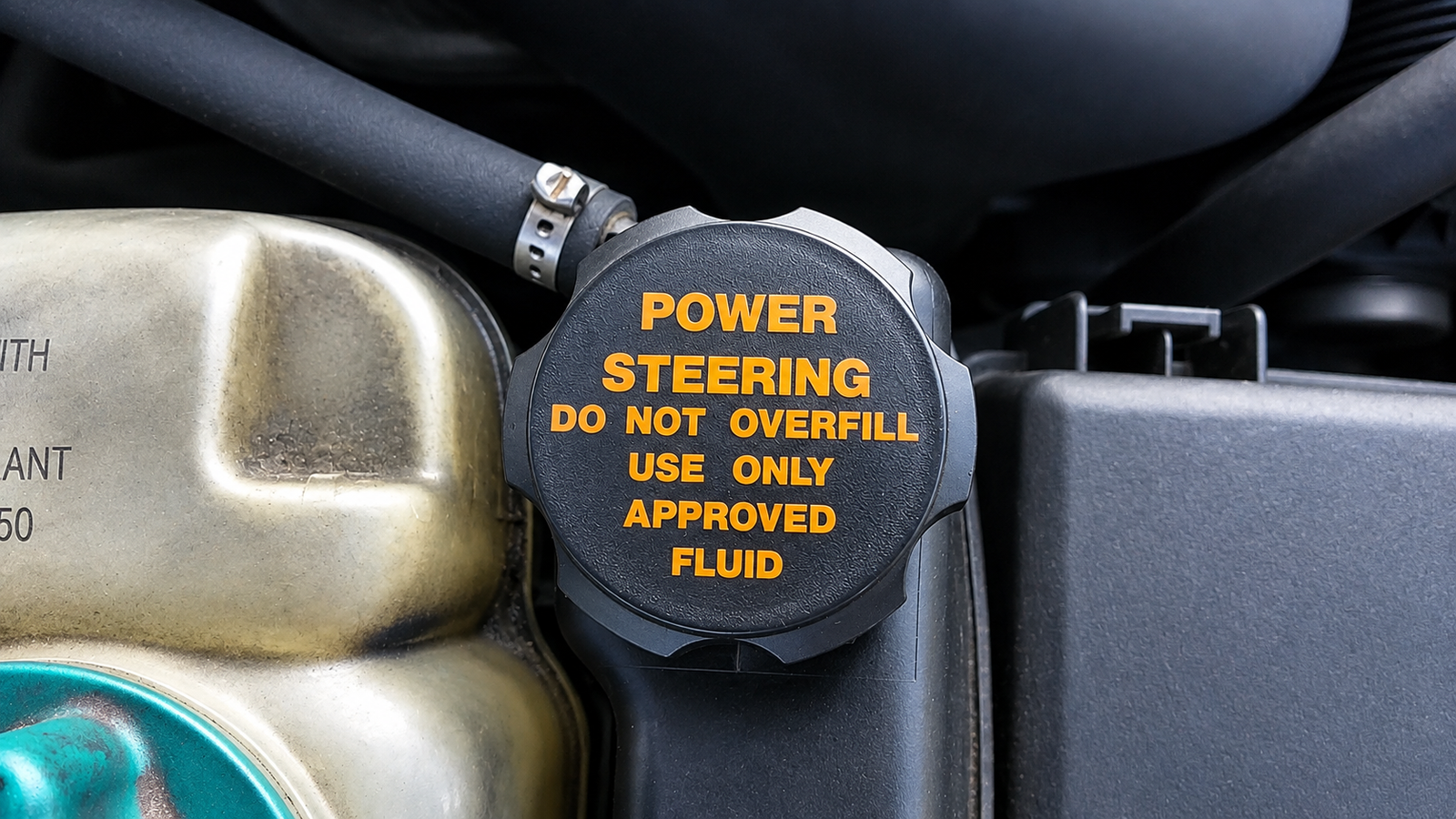
It seems harmless enough. You open the hood, notice that the power steering fluid is a little low, grab a bottle and top it up. But what happens when “topping it up” turns into filling the reservoir beyond the MAX line?
The good news is that a small amount of overfill usually won’t instantly destroy the power steering pump. The bad news is that the system isn’t designed to operate with an excessively high fluid level.
Ford, for example, warns against filling the power steering reservoir above the MAX mark because doing so can cause fluid to leak from the reservoir.
THE BIGGEST PROBLEM: FLUID CAN ESCAPE
Power steering fluid expands as it gets hot. That’s why the reservoir is designed with enough space above the recommended level to accommodate thermal expansion.
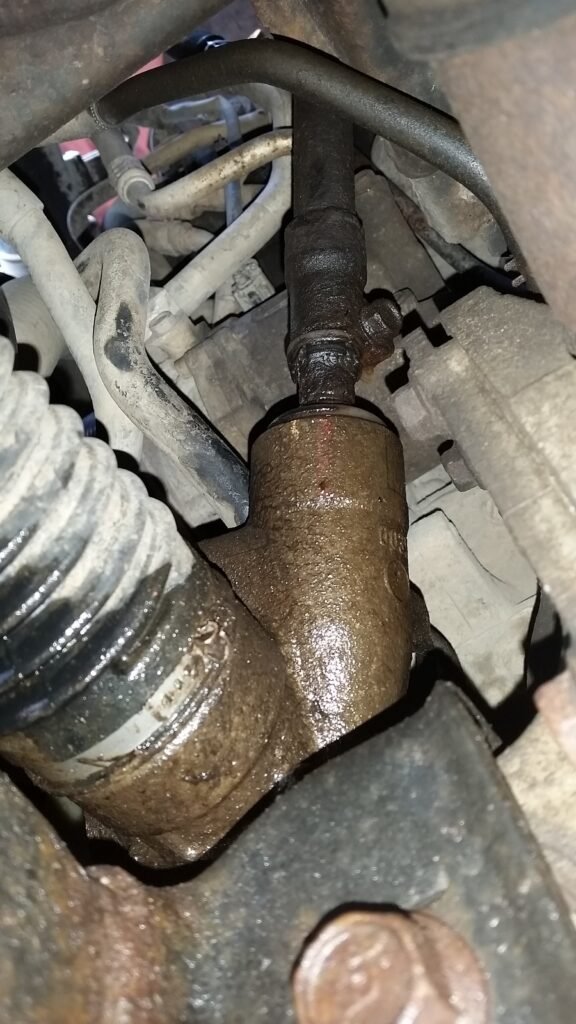
If the reservoir is already overfilled, the expanding fluid has less room to go. Depending on the vehicle’s design, excess fluid may be forced out around the cap, vent, or reservoir.
Some manufacturer service information specifically identifies an overfilled power steering reservoir as a potential cause of fluid leakage. As the fluid heats up, expansion can force it through the reservoir’s venting system.
The result can be an oily mess around the reservoir and engine bay. It can also create confusion because the owner may assume the vehicle has developed a serious power steering leak when the real problem is simply an excessive fluid level.
CAN OVERFILLING MAKE POWER STEERING FLUID FOAM?
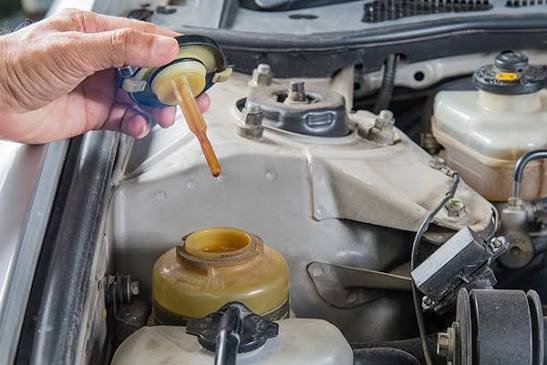
This is where things get a little more complicated.
Foamy or milky power steering fluid is more commonly associated with air entering the hydraulic system, an improperly bled system, leaks on the pump’s inlet side, or other mechanical problems.
That means overfilling the reservoir isn’t automatically the same thing as introducing air into the system.
However, if the fluid becomes heavily aerated or foamy, the power steering system may begin making whining or groaning noises. Steering assistance can also become inconsistent.
If the fluid is foaming badly, simply removing some fluid may not solve the underlying problem. The system may need to be inspected for an air leak or properly bled.
WHY IS AIR IN THE FLUID A PROBLEM?
Hydraulic power steering relies on fluid to transfer pressure from the pump to the steering mechanism.
Air doesn’t behave like hydraulic fluid. It can compress, reducing the efficiency of the hydraulic system and making the pump work harder.
Significant aeration can lead to noisy operation, inconsistent hydraulic pressure, increased operating temperatures and reduced steering performance.
That’s why a power steering system that suddenly starts whining after a fluid service shouldn’t simply be ignored.
The noise may be telling you that there’s air in the system or that another problem is allowing air to enter.
WILL OVERFILLING DESTROY THE POWER STEERING PUMP?
Not necessarily.
This is where some online advice becomes unnecessarily dramatic.
Adding a small amount too much fluid doesn’t automatically mean the power steering pump is about to fail. The immediate concern is usually leakage caused by thermal expansion.
However, leaving the system significantly overfilled isn’t a good idea.
If the fluid is forced out, it can contaminate surrounding components and create a mess. If the system also suffers from aeration or another hydraulic problem, prolonged operation can potentially contribute to pump wear and poor steering performance.
So no, a slightly high fluid level doesn’t necessarily mean you’ve just killed your power steering pump.
But there’s also no good reason to leave it excessively overfilled.
WHAT SHOULD YOU DO IF YOU OVERFILLED IT?
First, check the owner’s manual.
This sounds obvious, but it’s important because different vehicles use different procedures. Some reservoirs have separate COLD and HOT markings, meaning the correct fluid level depends on the temperature of the system.
If the fluid level is genuinely above the manufacturer’s specified MAX mark, remove the excess fluid using a clean fluid-extraction tool, such as a suitable syringe or fluid pump.
Don’t simply guess how much needs to come out. The objective is to bring the fluid level back to the manufacturer’s specified range.
After correcting the level, inspect the reservoir, hoses and surrounding components for signs of leakage.
Also check the condition of the fluid. If it is heavily foamy, full of bubbles or the steering system is making unusual noises, further diagnosis may be necessary.
DON’T FORGET: SOME CARS DON’T USE POWER STEERING FLUID
There’s another detail that can easily be overlooked.
Many modern vehicles use electric power steering rather than traditional hydraulic power steering.
These systems use an electric motor to provide steering assistance and therefore don’t have a hydraulic power steering reservoir that needs to be filled.
So before reaching for a bottle of fluid, make sure your vehicle actually uses hydraulic power steering and make sure you’re using the correct fluid specified by the manufacturer.
THE BOTTOM LINE
Overfilling power steering fluid usually isn’t an instant mechanical disaster, but it’s still something you should correct.
The most obvious consequence is fluid being pushed out of the reservoir as the fluid heats and expands. If the system also develops aeration, you may experience foaming, whining noises or inconsistent steering assistance.
The safest approach is simple: use the correct fluid, check the level according to the manufacturer’s procedure and keep it within the specified range.
MAX means MAX. Not MAX plus a little extra.
Power steering fluid is one of those automotive fluids where more definitely isn’t better. It might seem logical to give the system a little extra “just in case,” but the reservoir markings exist for a reason.
A few minutes spent checking the level properly can save you from cleaning an oily engine bay or chasing a power steering problem that you accidentally created yourself.
Have you ever accidentally overfilled your power steering fluid? Share your experience in the comments.

Adhe is part of the 88 Eight Box Editorial Team, covering JDM culture, motorsport, automotive technology, and industry news. The team focuses on delivering original automotive stories, reviews, and insights for enthusiasts worldwide.