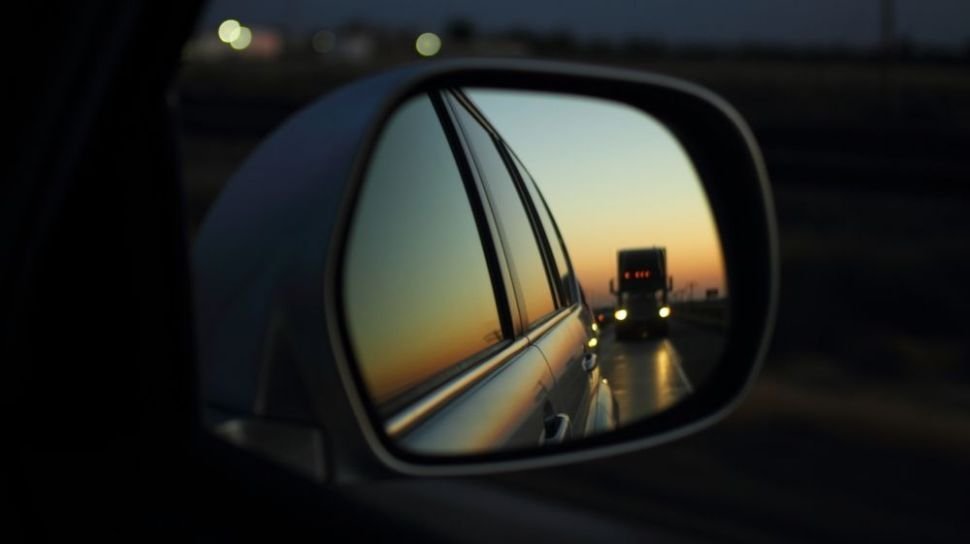
Imagine waking up tomorrow to discover that every car on Earth has lost its mirrors. Not broken. Not folded in. Simply gone.
There is a piece of equipment on almost every car that we rarely think about until we desperately need it: the humble wing mirror.
For decades, mirrors have been one of the simplest and most important safety devices on a car. We use them when changing lanes, overtaking, parking, pulling out of junctions, and checking whether someone is about to appear alongside us at exactly the wrong moment.
Now imagine taking all of them away.
No left mirror. No right mirror. And no rear-view mirror in the cabin either.
Suddenly, driving becomes a completely different game.
CHANGING LANES WOULD BECOME A NIGHTMARE
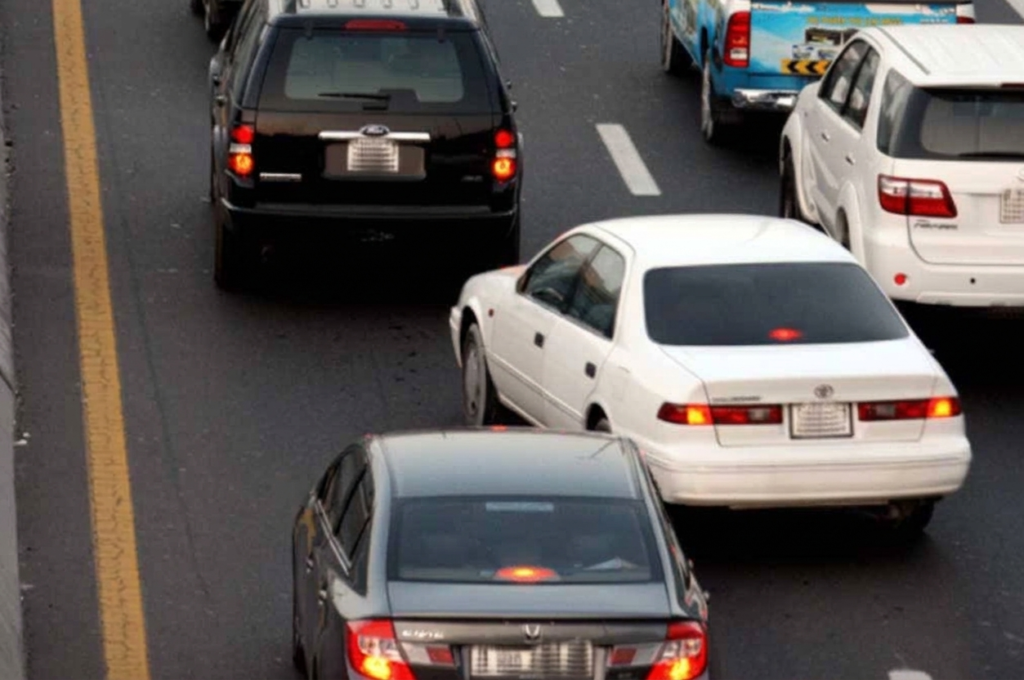
The first problem would be changing lanes.
Normally, a driver checks the interior mirror, checks the side mirror, then performs a quick shoulder check before moving across.
Remove the mirrors and that entire routine changes.
Drivers would have to turn their heads much further to see what is happening behind them. The problem is that when your head turns, your eyes are no longer focused directly on the road ahead.
At motorway speeds, even a few seconds of looking away can mean travelling a surprisingly long distance.
And that’s before you introduce motorcycles, aggressive lane changes and the person in the next lane who has apparently decided that indicators are optional equipment.
BLIND SPOTS WOULD BECOME THE REAL ENEMY
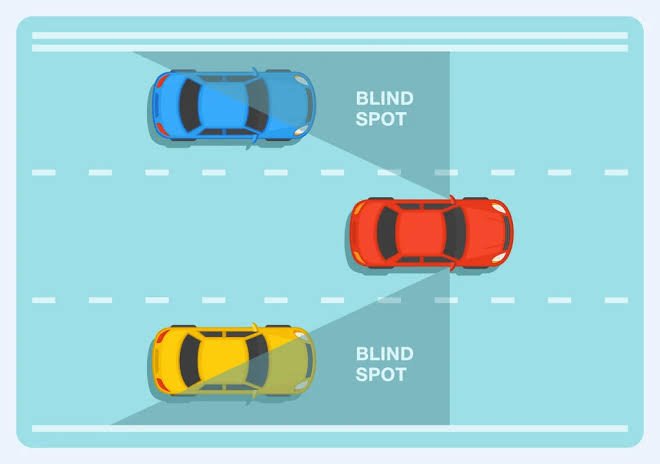
Every car has blind spots.
Mirrors don’t eliminate them completely, but they dramatically reduce the amount of road that the driver cannot see.
Take them away and those blind spots suddenly become much more important.
Imagine driving a large SUV on a busy motorway. A motorcycle is sitting slightly behind and to the side of your car.
Without a mirror, that motorcycle could remain outside your direct field of vision for several seconds.
Now multiply that situation by dozens of vehicles moving around you.
Welcome to traffic hell.
PARKING WOULD BECOME A TECHNOLOGY SHOWCASE
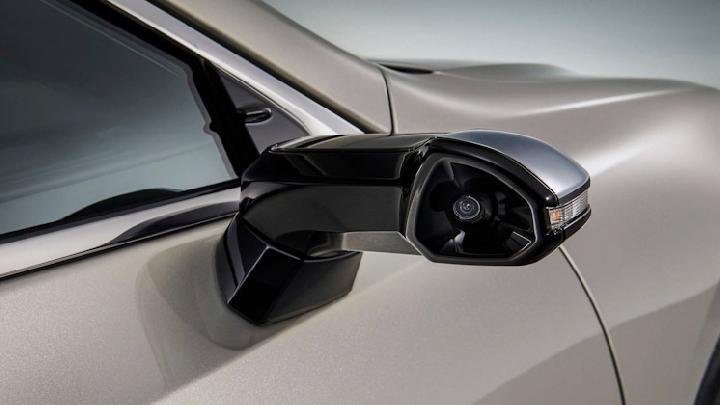
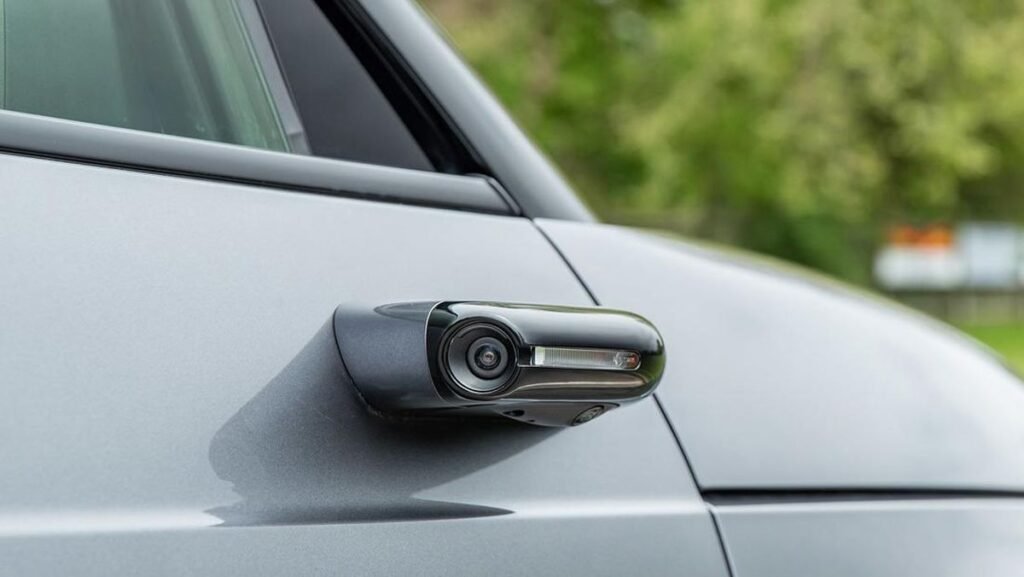
Parking would also change dramatically.
Mirrors give drivers a simple way to judge their distance from other vehicles, kerbs, walls, poles and pedestrians.
Without them, drivers would become heavily dependent on cameras and sensors.
Fortunately, modern cars already have plenty of technology designed for exactly this situation.
Rear-view cameras, 360-degree camera systems, parking sensors and automated parking systems can provide information that is arguably far more detailed than a conventional mirror.
But there’s a catch.
What happens when the camera is covered in mud?
What happens when it rains?
What happens when the lens is damaged?
Or when the electronics decide that today is the perfect day to have a nervous breakdown?
With a conventional mirror, the backup system is wonderfully simple.
You look at it.
THE CARS WOULD PROBABLY LOOK BETTER
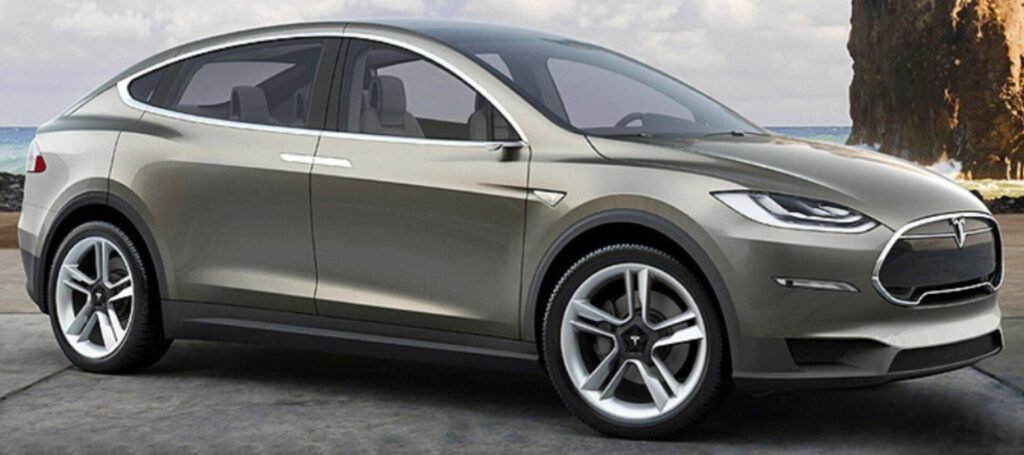
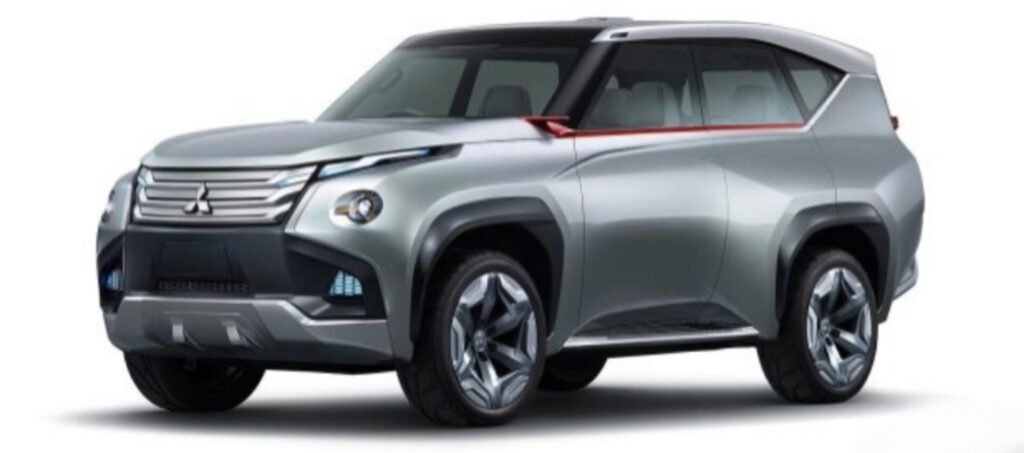
There is, however, one undeniable advantage to getting rid of mirrors.
Cars would look fantastic.
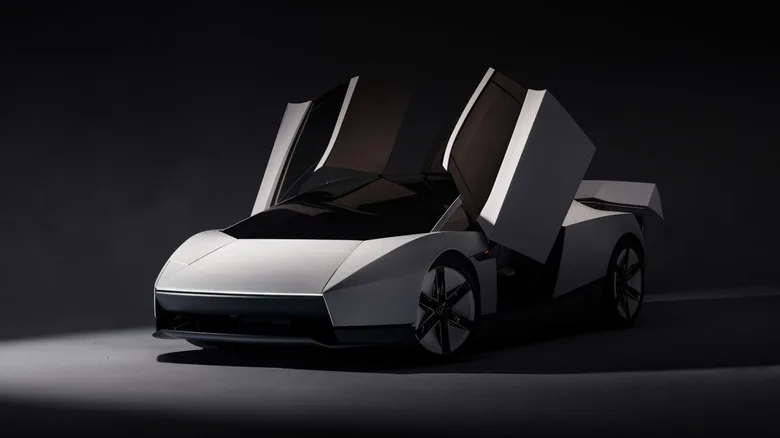
Without large mirror housings sticking out from the doors, designers could create smoother bodywork and cleaner shapes.
Aerodynamics could also benefit from removing one of the most obvious sources of drag hanging off the side of a car.
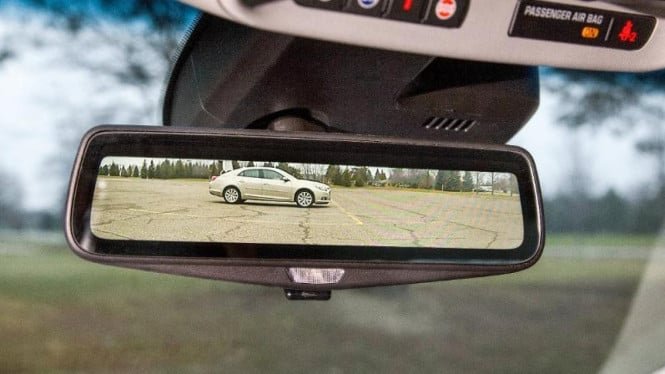
This is why several manufacturers have experimented with camera-based mirror systems.
Instead of looking at a piece of reflective glass, the driver looks at a screen showing a live image from a small exterior camera.
It sounds futuristic because, well, it is.
But there’s an important distinction.
Replacing mirrors with cameras is one thing.
Removing the ability to see behind the car altogether is something else entirely.
TRUCKS WOULD BE A COMPLETELY DIFFERENT STORY
Now imagine a heavy truck with no mirrors.
Suddenly, this isn’t just about convenience.
Large commercial vehicles already have substantial blind spots. Their drivers rely on multiple mirrors and other visual aids to monitor the enormous amount of road surrounding them.
Remove those systems and a small car could disappear into an area where the truck driver simply cannot see it.
That’s a terrifying thought when the vehicle beside you weighs several tonnes.
MOTORCYCLES WOULD HAVE A PROBLEM TOO
And cars wouldn’t be the only vehicles affected.
Motorcycles rely heavily on mirrors to monitor traffic approaching from behind.
Without them, riders would need to perform much more frequent shoulder checks.
That means turning their heads away from the road ahead while dealing with traffic, potholes, pedestrians, cars and everything else that modern urban riding throws at them.
So if mirrors disappeared from every vehicle, motorcycles would be caught in the same technological revolution.
COULD CAMERAS SAVE US?
Probably.
If mirrors eventually disappear from mainstream vehicles, cameras are the obvious replacement.
A future car could combine cameras, radar, ultrasonic sensors and driver-assistance systems to create a virtual 360-degree view around the vehicle.
A screen could highlight cars sitting in blind spots, display traffic approaching from behind and even provide a much wider field of view than a conventional mirror.
Technically, that could be far more capable than a piece of glass.
But here’s the funny thing about technology.
The more complicated the replacement becomes, the more things there are that can potentially go wrong.
A conventional mirror doesn’t need software.
It doesn’t need electricity.
It doesn’t need a battery.
It doesn’t need an internet connection.
It doesn’t need a firmware update.
You just look at it.
SO, COULD WE REALLY LIVE WITHOUT MIRRORS?
If every car suddenly lost its mirrors tomorrow, the roads would probably become significantly more difficult to navigate.
Changing lanes would require more attention. Blind spots would become a bigger problem. Parking would become more dependent on cameras and sensors. And large vehicles could face even greater challenges.
But if mirrors disappear as part of a gradual technological evolution, the story is very different.
Cameras, displays, radar and driver-assistance systems could eventually perform most of the jobs that mirrors currently handle.
So perhaps the car of the future really won’t need mirrors.
But one thing will never change:
We still need to know what’s happening behind us.
Because driving while only looking forward is a surprisingly effective way of discovering that some of the biggest problems on the road are usually coming from behind.
WHAT DO YOU THINK?
Could you really imagine driving a car with no mirrors at all?
Would you trust cameras and digital displays to replace the humble wing mirror, or would you rather keep the good old-fashioned piece of glass that never needs a software update?
Let us know what you think in the comments below.

Adhe is part of the 88 Eight Box Editorial Team, covering JDM culture, motorsport, automotive technology, and industry news. The team focuses on delivering original automotive stories, reviews, and insights for enthusiasts worldwide.