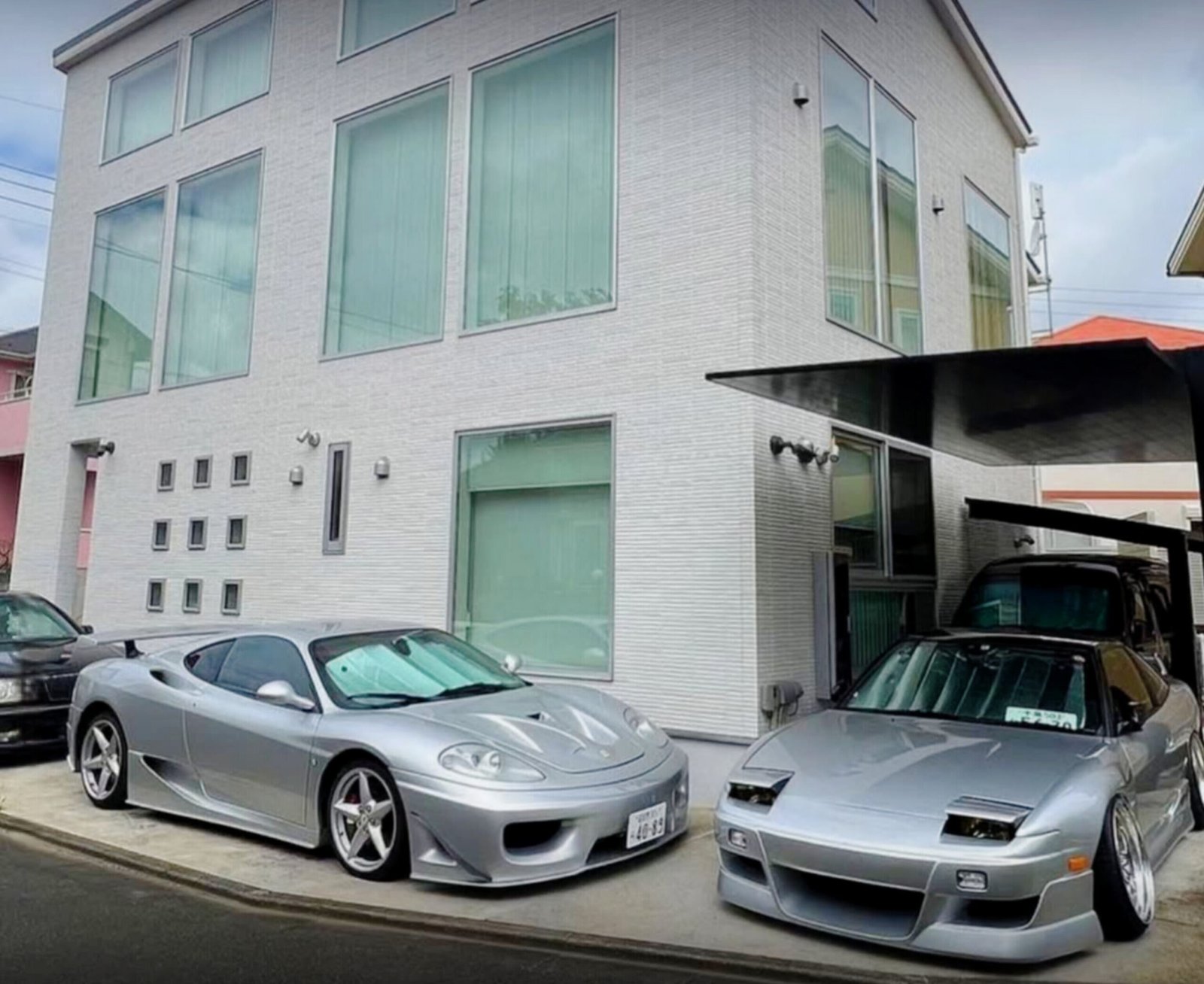
For anyone who has visited Japan or seen images of its residential neighborhoods, one thing often stands out: the incredible level of order and cleanliness on its streets. Unlike many crowded urban areas around the world, it is rare to see cars randomly parked along narrow residential roads or blocking public spaces.
Japan’s limited land availability has not become an obstacle for its citizens. Instead, it has encouraged the development of smart urban planning, efficient parking solutions, and strict regulations designed to maintain harmony between vehicles, homes, and public spaces.
Smart Use of Limited Space and Efficient Garages
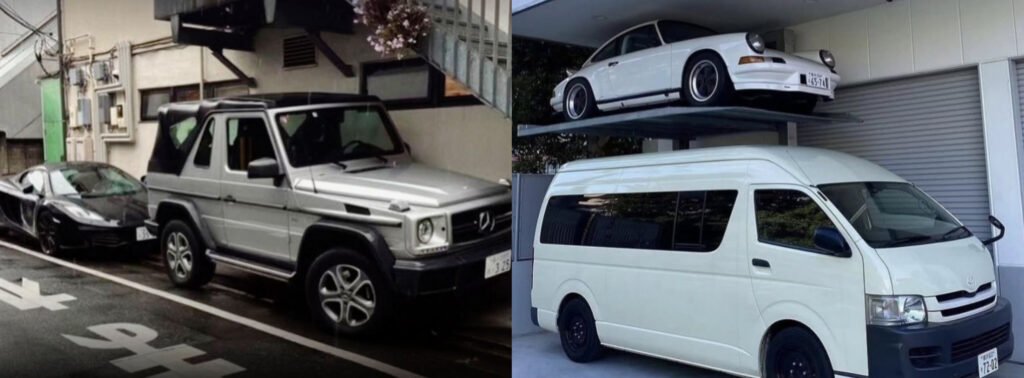
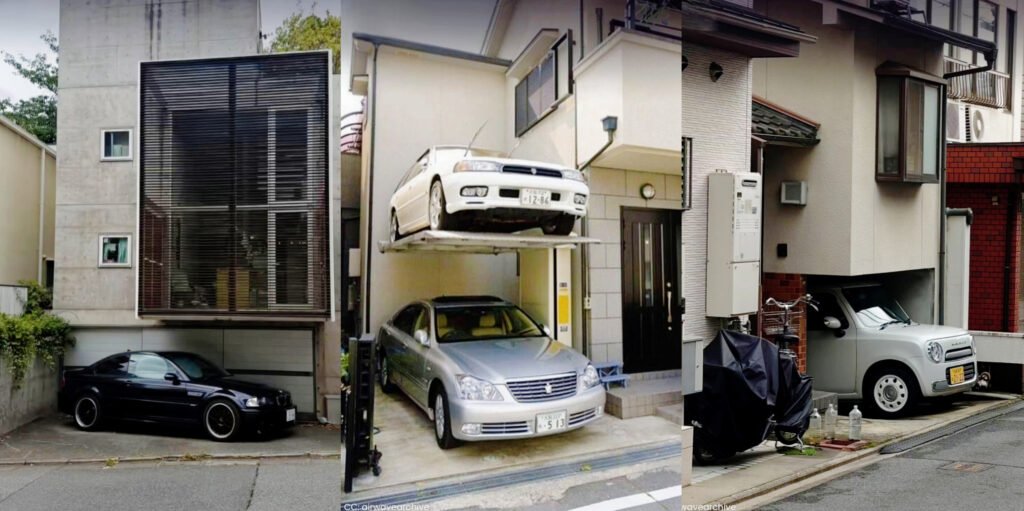
In Japan, minimalist homes with carefully designed parking areas have become a common sight. Residents make the most of every available piece of land — from compact open-air parking spaces directly in front of houses, underground garages, to advanced mechanical parking systems in densely populated cities.
Modern Japanese home designs often take vehicle dimensions into consideration. Parking areas are built with remarkable precision, allowing everything from low-profile sports cars and modified vehicles to family vans to fit neatly without occupying public roads.
In major cities such as Tokyo and Osaka, where land prices are extremely high, space-saving parking technology has become an essential part of urban living. Multi-level and automated parking systems allow residents to store vehicles efficiently while keeping streets clear and organized.
Strict Regulations: The Shako Shomei Parking Certificate
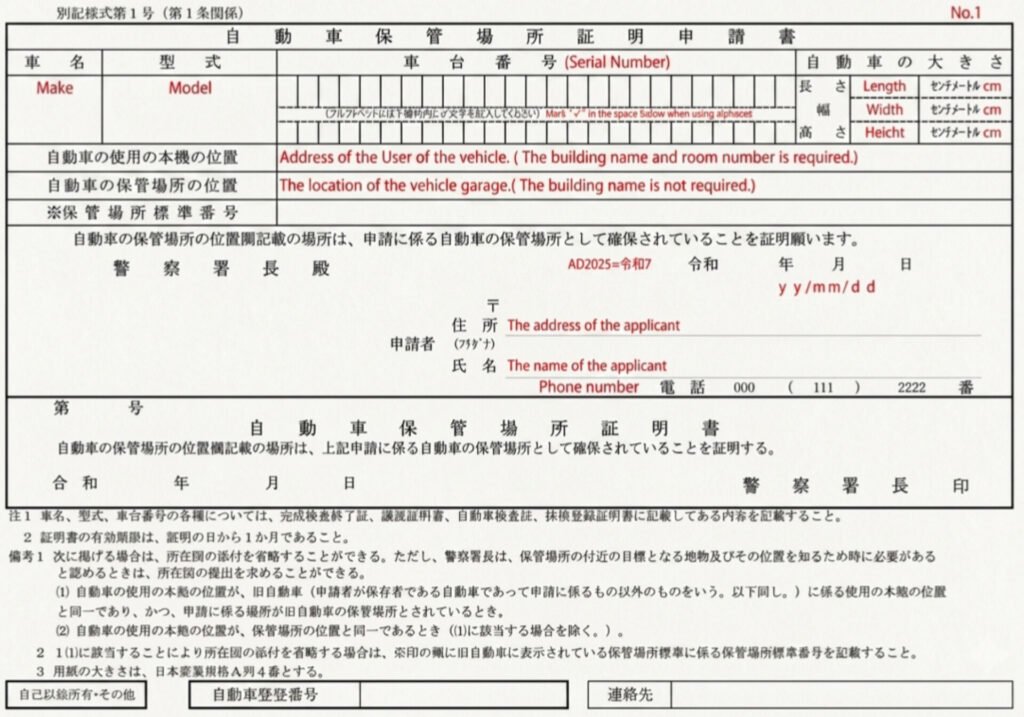
Behind Japan’s orderly streets lies one of the country’s strictest vehicle ownership regulations: the Shako Shomei system, also known as the parking space certificate.
Under this regulation, residents must prove that they have access to a dedicated parking space before they can register a vehicle. The parking location can be privately owned or rented, but it must generally be within a reasonable distance from their home — usually within 2 kilometers.
This rule prevents people from purchasing cars without having a proper place to store them. As a result, public roads and residential streets are not used as permanent parking areas.
Every vehicle on Japanese roads is essentially guaranteed to have its own designated “home.”
A Culture of Respect and Consideration
Beyond regulations and innovative architecture, another important factor behind Japan’s organized streets is social awareness.
The Japanese concept of “Meiwaku” — avoiding causing inconvenience to others — plays a major role in daily life. Parking carelessly on narrow roads is often considered disrespectful because it can disturb neighbors, block traffic, and create unnecessary problems for the community.
This sense of responsibility encourages people to follow rules not only because they are required by law, but also because maintaining public harmony is deeply valued in Japanese society.
A Model of Urban Discipline
Through a combination of intelligent urban design, strict vehicle regulations, and strong social responsibility, Japan has created a unique approach to managing cars in limited spaces.
The country proves that crowded cities and limited land do not have to lead to chaotic streets. With proper planning and discipline, even the smallest neighborhoods can remain clean, efficient, and organized.

Adhe is part of the 88 Eight Box Editorial Team, covering JDM culture, motorsport, automotive technology, and industry news. The team focuses on delivering original automotive stories, reviews, and insights for enthusiasts worldwide.