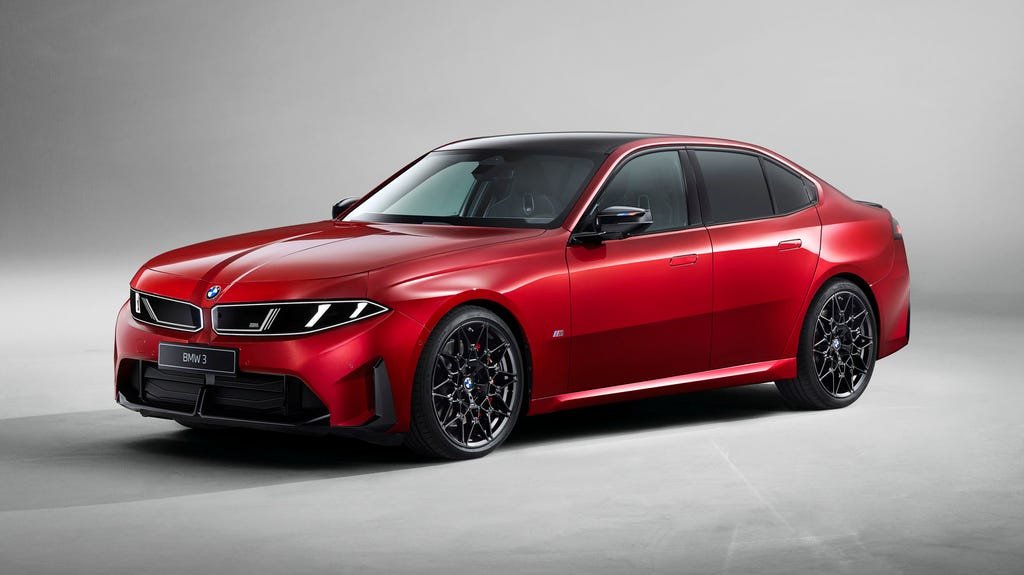
BMW has officially pulled the covers off the eighth-generation 3-Series, and this is far more than another routine redesign. The 2027 BMW 3-Series marks the beginning of a new chapter for one of the most important models in BMW’s history, bringing the brand’s Neue Klasse design language, a heavily revised chassis, new digital technology, and more power.
The name Neue Klasse carries serious historical weight at BMW. In the early 1960s, the original Neue Klasse lineup helped establish BMW as a benchmark for driver-focused sports sedans while also playing a crucial role in rescuing the company from financial trouble.
Now, more than six decades later, BMW is using the same name to introduce the eighth-generation 3-Series.
A RADICAL NEW LOOK
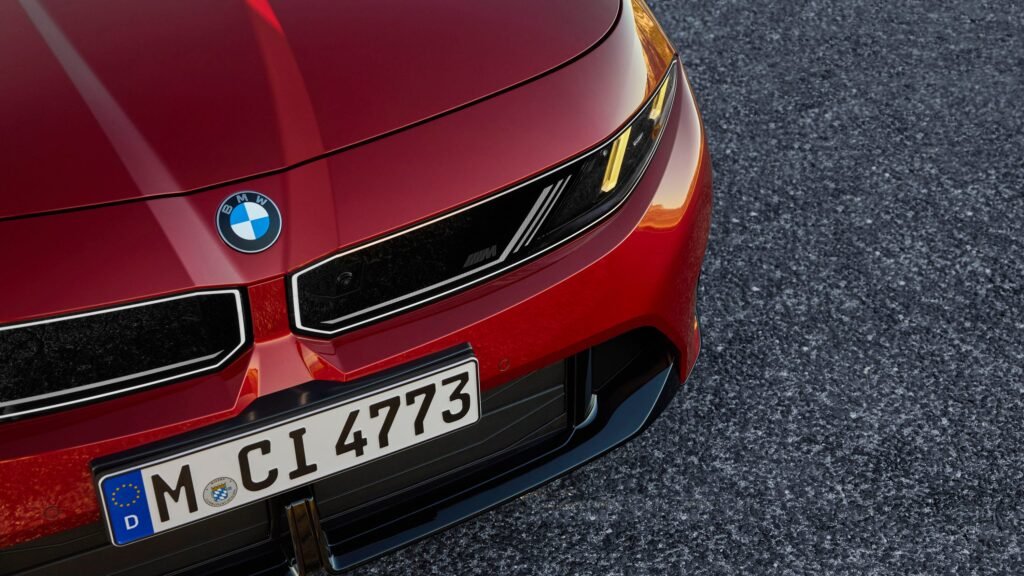
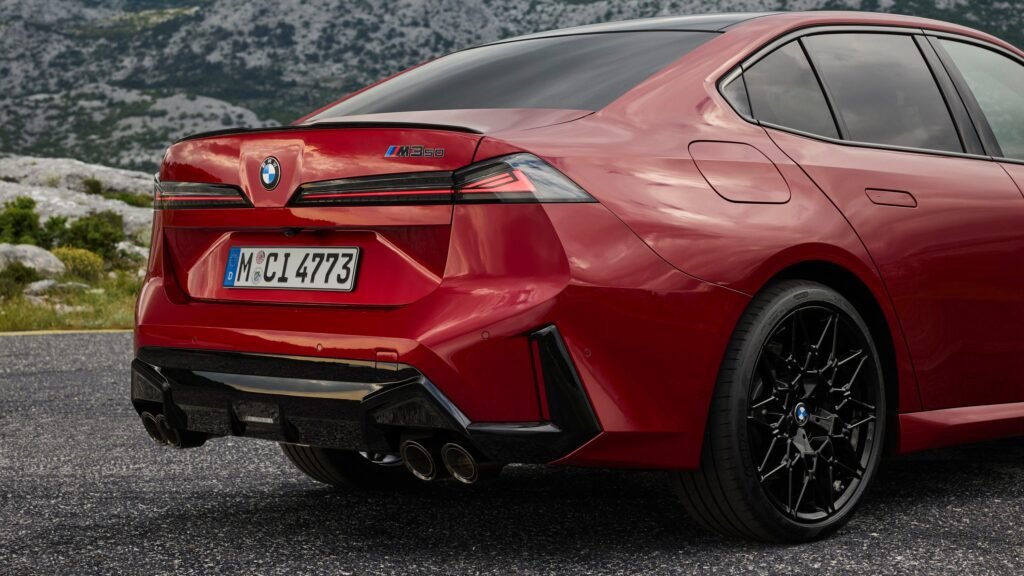
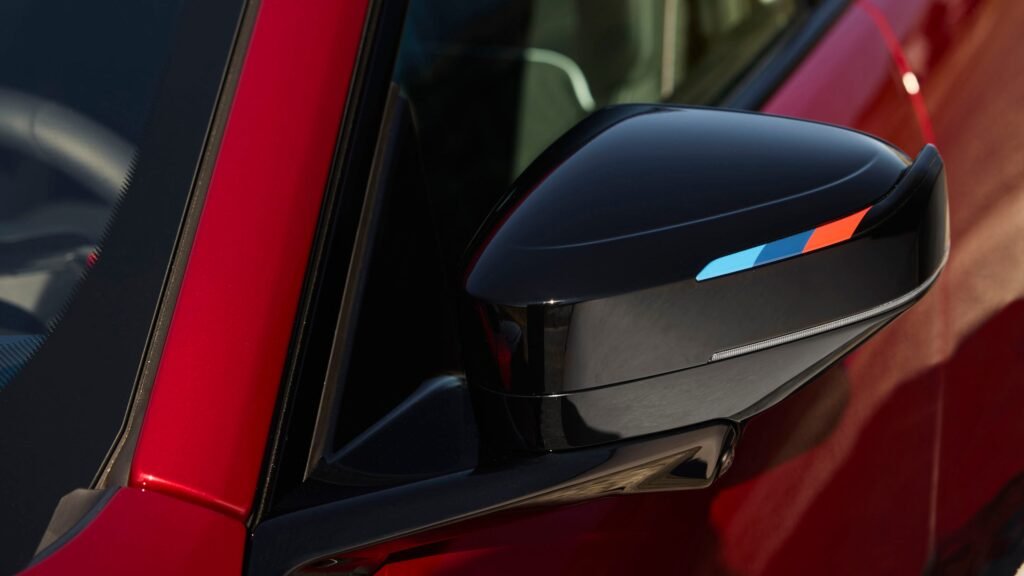
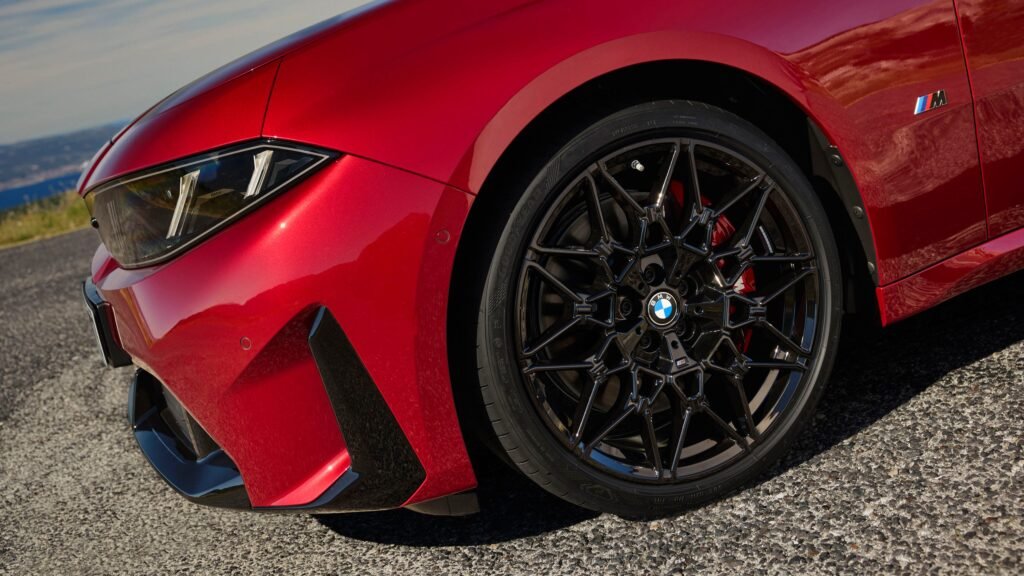
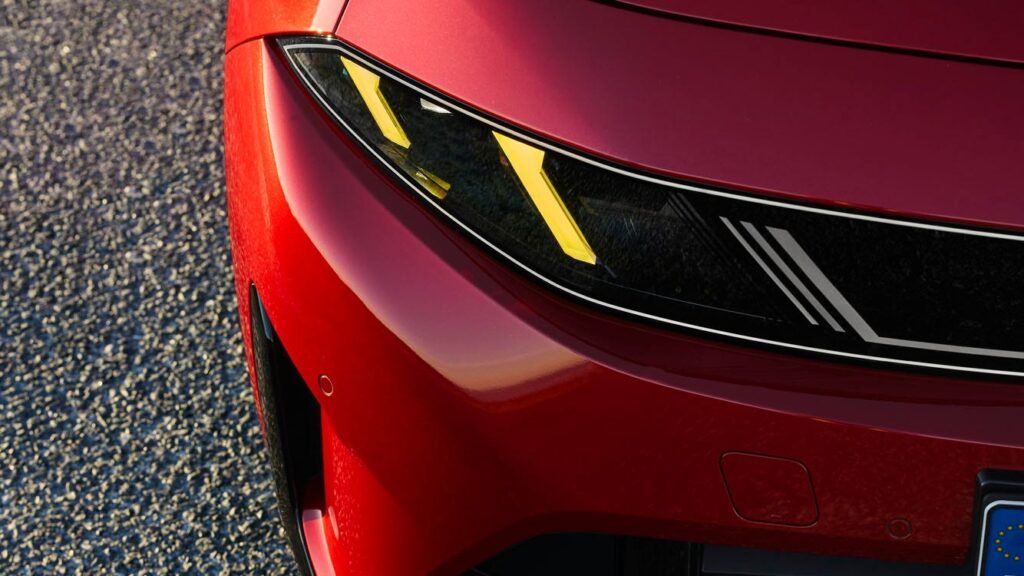
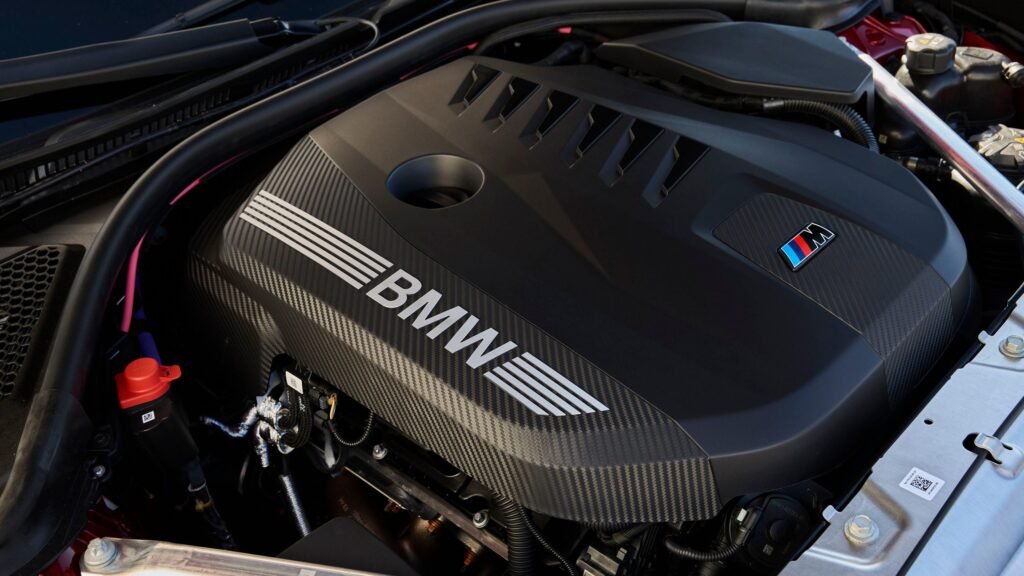
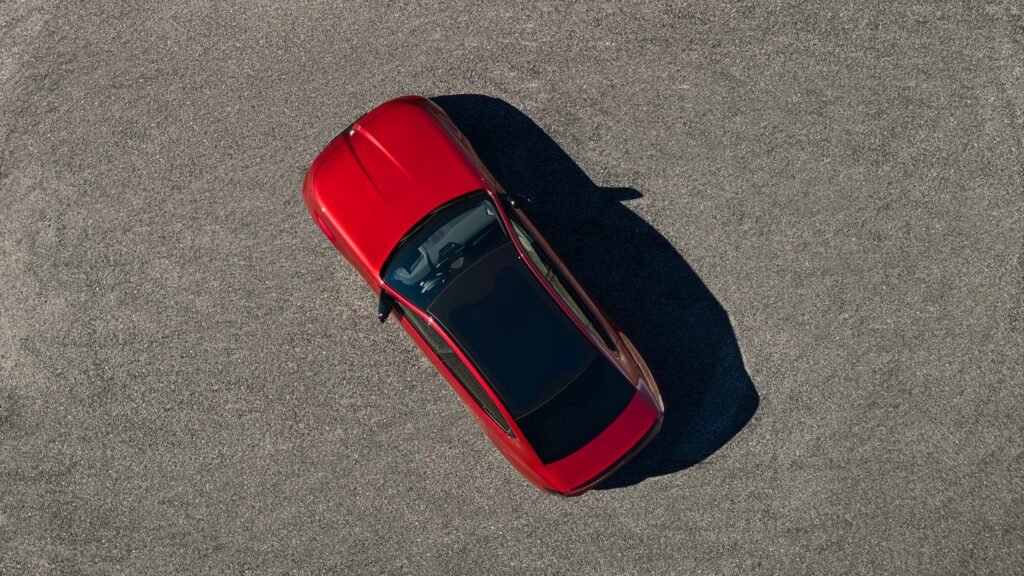
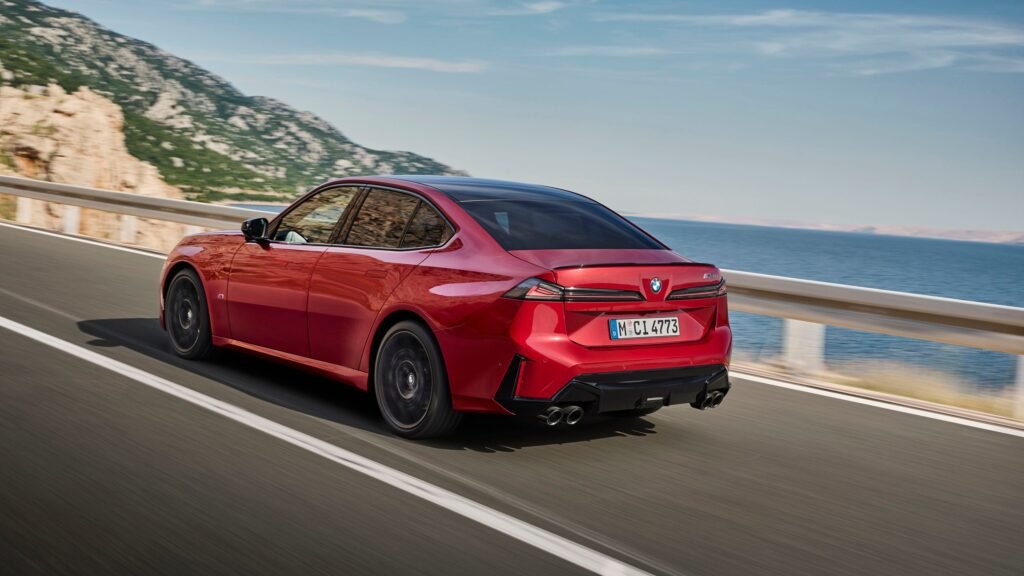
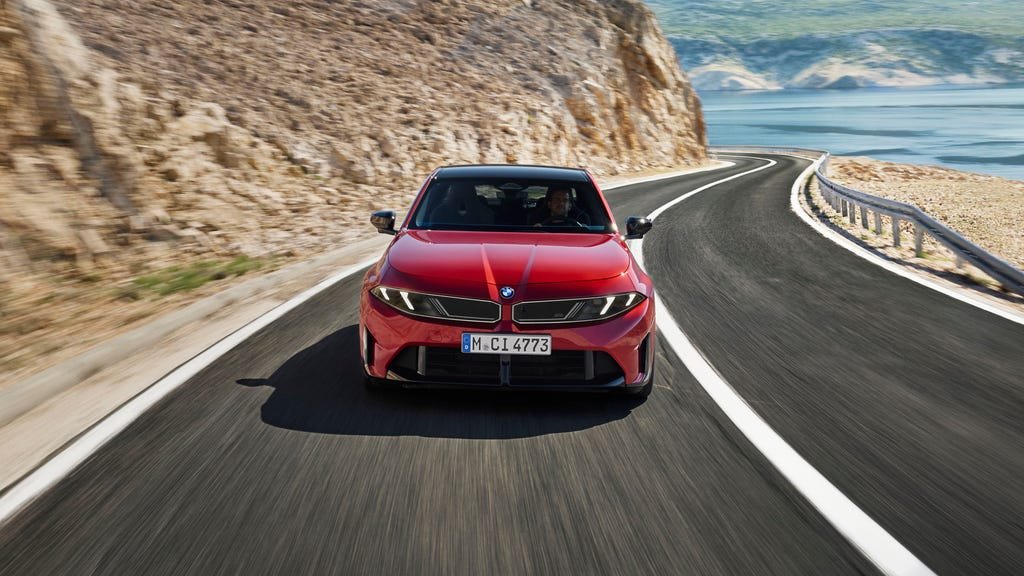
The new 3-Series represents one of the most dramatic styling changes the nameplate has received in decades.
Designed under BMW design chief Adrian van Hooydonk, the G50-generation 3-Series was created to strike a balance between BMW’s heritage and its future without becoming trapped by tradition.
“As much as we love our history, respect it, and take inspiration from it, we need to make sure that what we do will be relevant for the future,” van Hooydonk explained.
The new car features a narrower kidney grille, slim light elements, short overhangs, and a cleaner side profile. Compared with BMW’s recent design direction, the change is unmistakable.
The front-end treatment has a distinct shark-nose appearance, recalling the legendary E24-generation 6-Series from the 1970s and 1980s. Meanwhile, the compact and athletic proportions are reminiscent of the classic BMW 2002.
It is essentially BMW attempting to look forward without completely abandoning the shapes that made its past so important.
THE 3-SERIES GOES DIGITAL
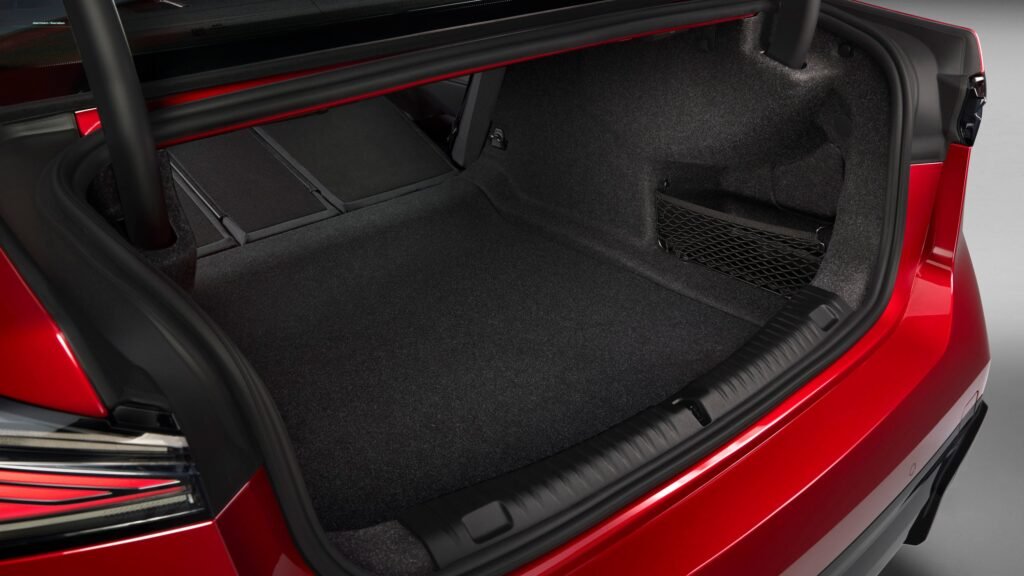
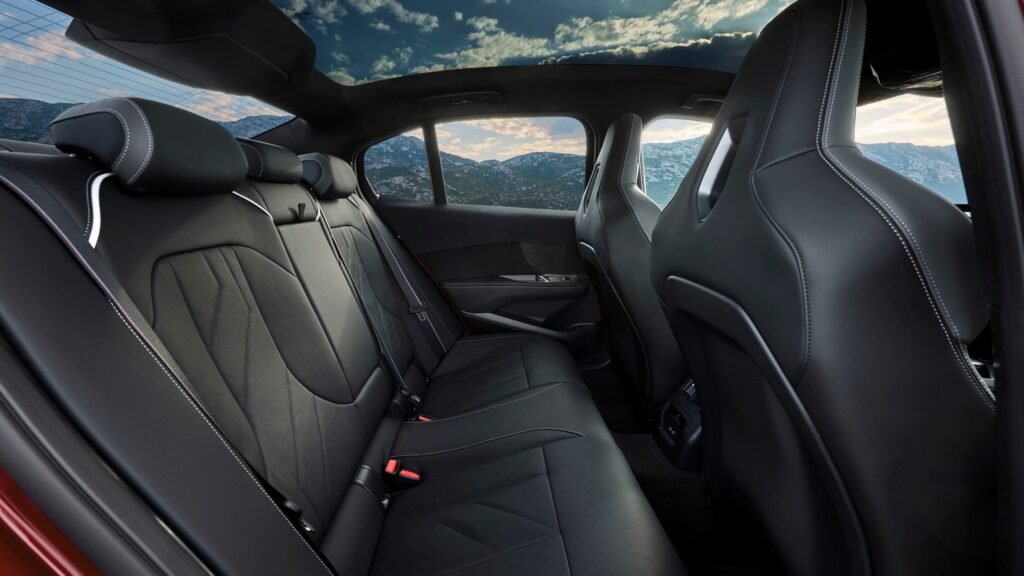
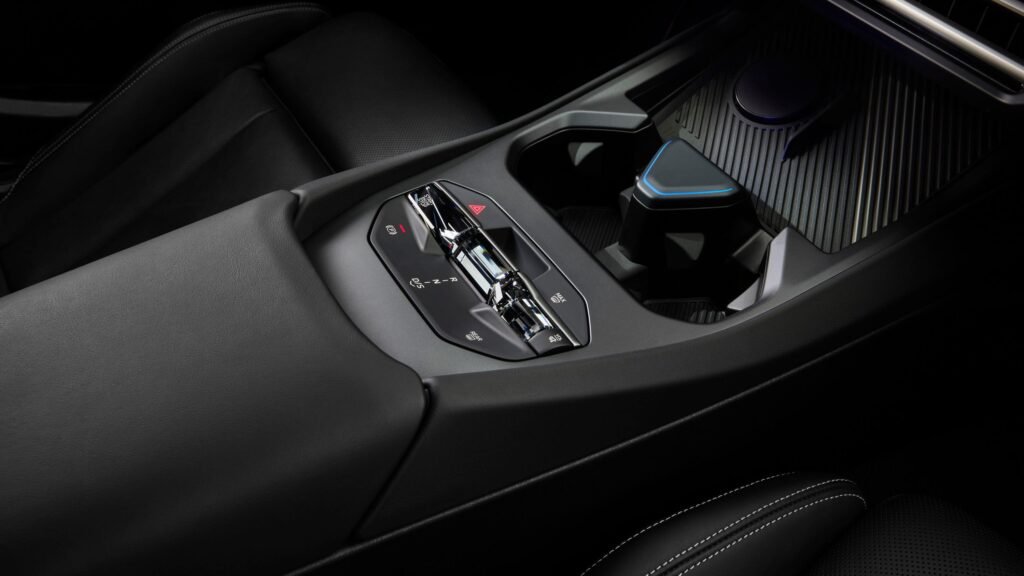
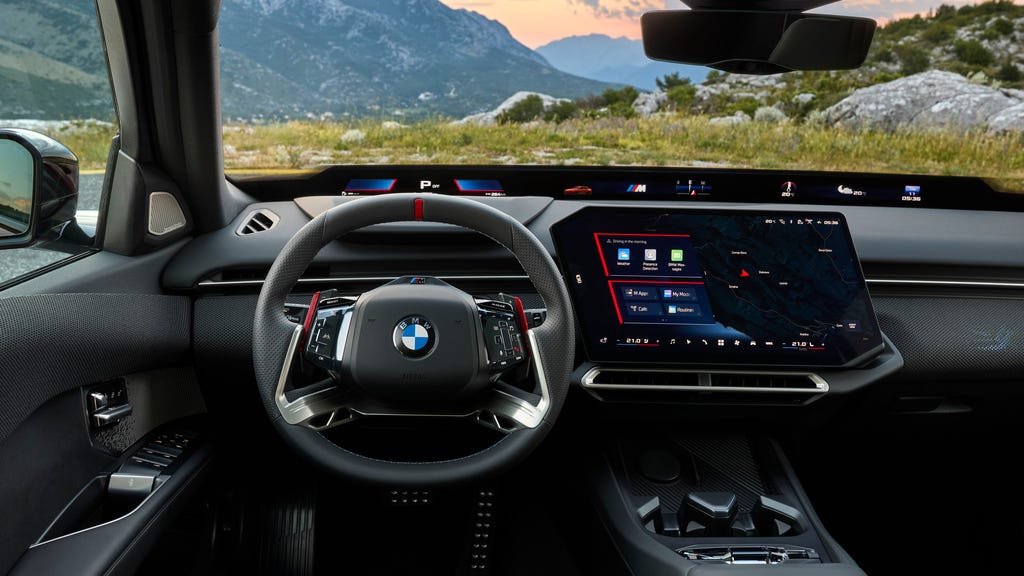
The transformation continues inside the cabin.
One of the biggest additions is BMW’s Panoramic Vision display, which projects driver information onto a slim digital surface stretching across the dashboard at the base of the windshield, from pillar to pillar.
A massive 17.9-inch central touchscreen is also mounted in the middle of the dashboard and angled toward the driver.
That represents quite a departure from the classic 3-Series interior, where this area was once occupied by physical climate controls, an analog clock, and even a cigarette lighter.
The new cabin therefore combines BMW’s familiar driver-oriented layout with the company’s latest digital technology.
STILL RUNNING ON COMBUSTION POWER
While its battery-electric sibling, the new BMW i3, uses the company’s NCAR platform with sixth-generation battery technology and an 800-volt electrical architecture, the combustion-powered 3-Series takes a different route.
The new sedan continues to use an extensively upgraded version of BMW’s CLAR II architecture, which is also found underneath models such as the X3 and M5.
BMW says the platform has received extensive revisions compared with the previous-generation 3-Series, including a quicker steering ratio and a wider track at both the front and rear.
The goal is simple: make the new 3-Series sharper and more engaging to drive.
And considering the 3-Series’ reputation, that may be the most important upgrade of all.
MEET THE M350 XDRIVE
For American buyers, BMW will offer the new 3-Series in 330 and 330 xDrive forms, both powered by a turbocharged 2.0-liter inline-four producing 255 hp.
But the real headline grabber is the new M350 xDrive, which replaces the outgoing M340i xDrive.
Visually, the M350 gets a more muscular body and distinctive yellow daytime running lights, giving it a much more aggressive appearance than the standard 3-Series.
The hardware underneath matches the attitude, too.
Standard equipment includes adaptive dampers and an electronically controlled limited-slip differential, giving the M350 considerably more performance hardware straight from the factory.
THE B58 GETS EVEN MORE POWER
Under the hood sits the latest evolution of BMW’s famous B58 3.0-liter turbocharged inline-six.
Combined output reaches 437 hp, representing a 51-hp increase over the outgoing M340i.
Up to 17 hp of that output comes from an electric motor integrated into the eight-speed automatic transmission as part of the car’s 48-volt mild-hybrid system.
The result is a six-cylinder 3-Series with significantly more muscle while retaining the basic character that has made the B58 one of BMW’s most celebrated modern engines.
YES, IT CAN DRIFT
There is another particularly interesting detail.
The M350 xDrive is offered exclusively with all-wheel drive, but BMW has still found a way to give drivers the ability to send power rearward for some sideways entertainment.
Its Drift Moment function can disconnect the front axle, effectively allowing the car to behave like a rear-wheel-drive machine and perform controlled drifts.
So, despite being an AWD-only model, the M350 hasn’t forgotten that driving a BMW is supposed to be fun.
0–60 MPH IN 3.6 SECONDS
The extra power isn’t merely for the spec sheet.
BMW claims the M350 xDrive can accelerate from 0 to 60 mph in just 3.6 seconds.
For comparison, the previous-generation M340i xDrive managed the same sprint in 3.7 seconds in testing.
And if that’s still not enough, BMW says enthusiasts will have to wait a little longer for the next-generation M3, which will reportedly be offered with both an internal-combustion powertrain and a battery-electric version.
PRODUCTION STARTS IN 2027
BMW has yet to reveal official pricing for the new 3-Series.
The entry-level four-cylinder model is expected to start at just over $50,000, while the six-cylinder M350 xDrive is expected to land somewhere in the $60,000–$70,000 range.
Production of the new 3-Series is scheduled to begin in the first quarter of 2027, with U.S. sales expected to follow shortly afterward.
The eighth-generation 3-Series is therefore more than just another redesign. BMW is using one of its most important nameplates to introduce the next phase of its design philosophy, digital technology, mild electrification, and increasingly powerful combustion engines.
The original Neue Klasse helped define BMW’s future in the 1960s.
Now, the 2027 3-Series is being asked to do something remarkably similar all over again.

Adhe is part of the 88 Eight Box Editorial Team, covering JDM culture, motorsport, automotive technology, and industry news. The team focuses on delivering original automotive stories, reviews, and insights for enthusiasts worldwide.