Formula 1 is widely known as the pinnacle of automotive technology and one of the most expensive sports in the world. Running a modern Formula 1 team can cost hundreds of millions of dollars, with some estimates reaching more than US$500–700 million per season, or around Rp8–10 trillion.
But with such enormous expenses, one question naturally comes to mind: where does all that money actually come from?
Is it only from sponsors covering the cars with their logos, or are there other sources of income that many fans rarely see?
The answer is far more complex. Behind the speed, technology, and competition on the track, Formula 1 is a global business empire generating billions of dollars every year.
Sponsors: Far More Than Just Logos on the Car
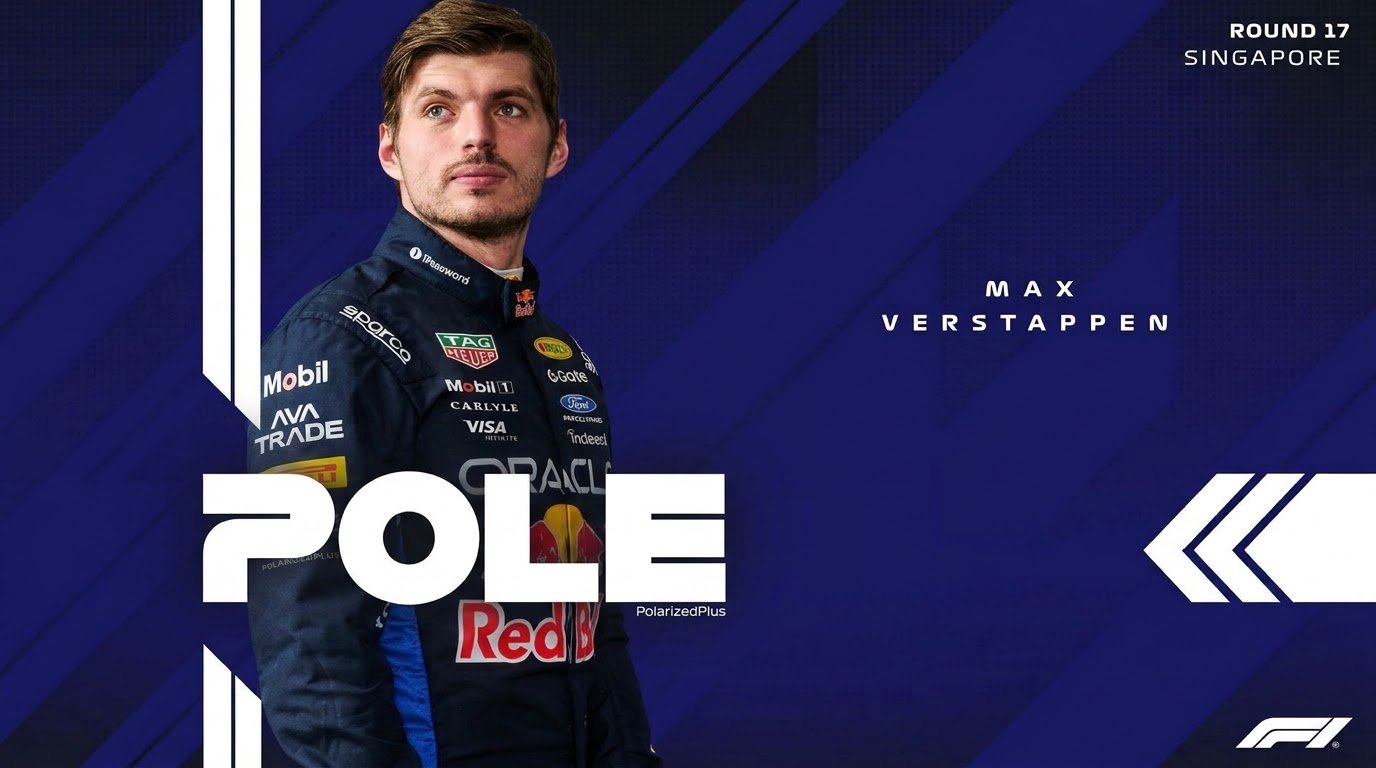
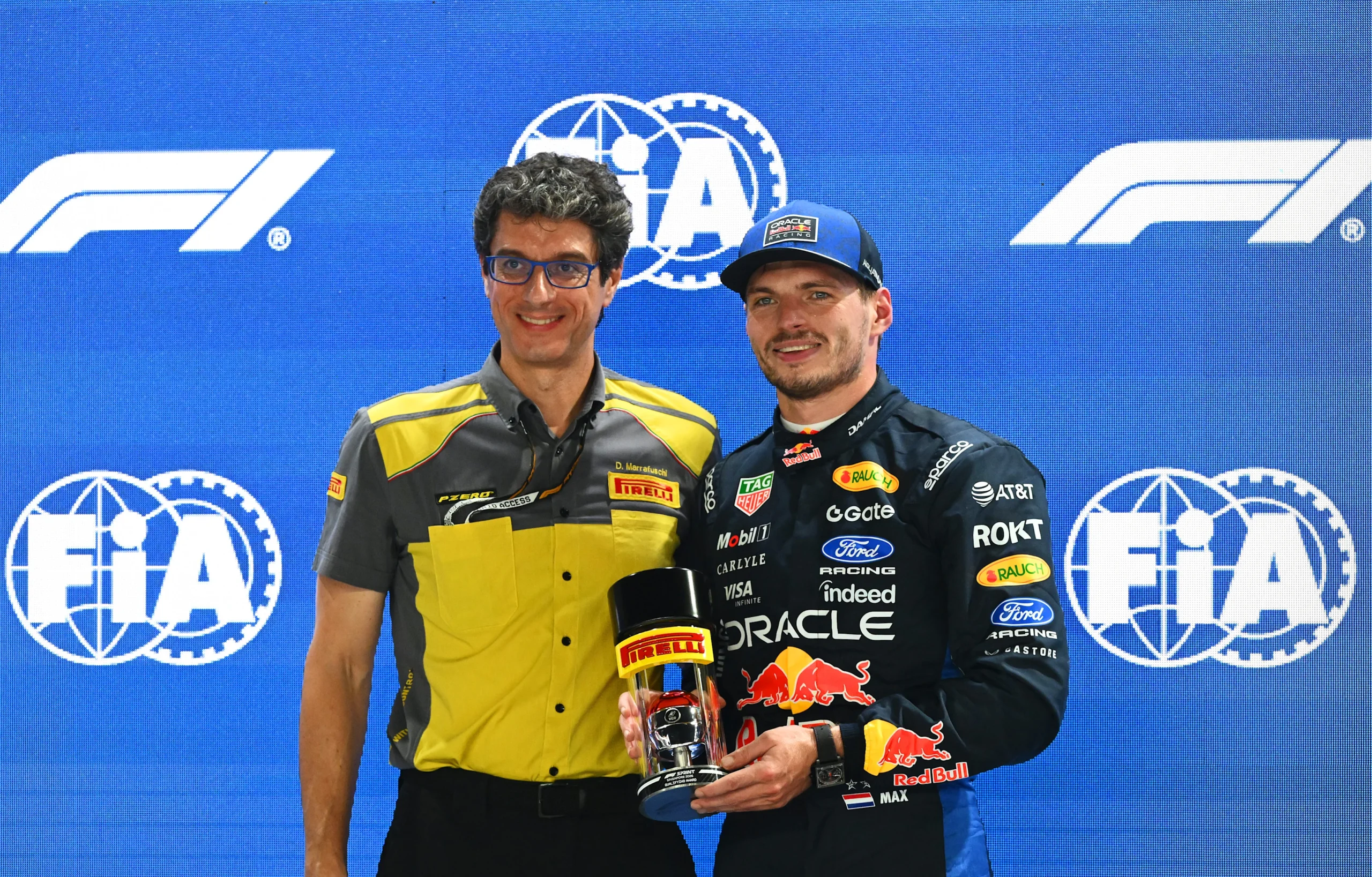
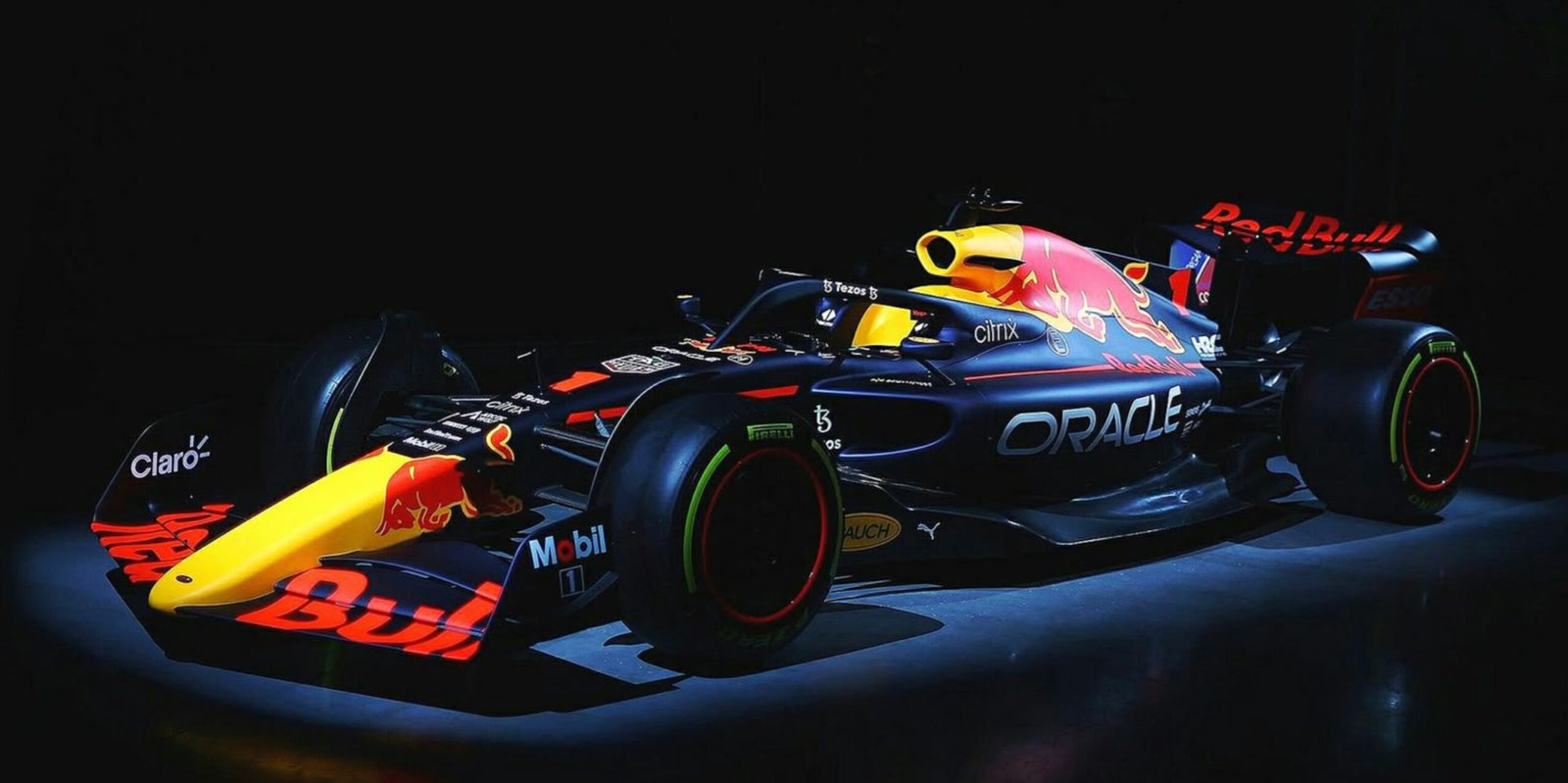
When fans look at Formula 1 cars from teams such as Mercedes, Ferrari, McLaren, or Red Bull Racing, one of the first things they notice is the collection of major corporate logos covering every part of the car.
Names like Petronas, Oracle, HP, Shell, Google, Mastercard, Bybit, and Lenovo have become closely associated with the sport.
Many people assume these companies simply pay to have their logos displayed on television. However, sponsorship in Formula 1 goes far beyond traditional advertising.
During a single season, Formula 1 is broadcast to hundreds of countries and watched by hundreds of millions of fans worldwide. Every time a car appears on screen, fights for position, crosses the finish line, or a driver stands on the podium, the sponsor’s brand receives global exposure.
The more competitive a team becomes, the higher its commercial value.
Sponsors also receive many additional benefits, including the right to use drivers in advertising campaigns, create exclusive digital content with the team, display branding on pit crew uniforms, access VIP hospitality areas, and invite important clients to the exclusive Paddock Club.
Some sponsors even gain opportunities for technology partnerships and business collaborations with Formula 1 teams.
When a company like Oracle invests heavily in Red Bull Racing, they are not simply buying space on the rear wing of a car. They are investing in a business relationship with one of the most prestigious sports organizations in the world.
Formula One Management: The Biggest Financial Engine of F1
Sponsors are an important source of income, but they are not the only one.
There is another major player behind Formula 1’s financial system: Formula One Management (FOM).
FOM is the company responsible for managing Formula 1’s commercial rights. It generates revenue from multiple sources, including television broadcasting rights, the F1 TV streaming platform, fees paid by race promoters to host Grands Prix, official Formula 1 sponsors, video game licensing, merchandise, and numerous global commercial partnerships.
The money generated by FOM is then distributed among the teams through Formula 1’s revenue-sharing system.
However, not every team receives the same amount.
Prize Money: Every Position in the Championship Is Worth Millions
Formula 1 teams compete not only for trophies but also for financial rewards through a system known as prize money.
The higher a team finishes in the Constructors’ Championship, the larger the financial payment they receive.
This is why battles for fifth, sixth, or even lower positions in the standings remain extremely intense. For many teams, moving up just one position can mean tens of millions of dollars in additional revenue.
So when two teams fight until the final race of the season, they are not only fighting for sporting pride, but also for a massive financial advantage.
Ferrari’s Special Bonus Because of Its History
Within Formula 1’s financial structure, one team has always held a unique position: Ferrari.
The Maranello-based team is the only constructor that has competed in every Formula 1 season since the championship began in 1950.
Because of its long history and contribution to the sport, Ferrari has traditionally received a special payment known as the Long-Standing Team Bonus.
The decision has often been debated, with some teams arguing that it gives Ferrari an unfair advantage.
However, many also believe that Formula 1 would not have the same identity without Ferrari. The Scuderia is not just another competitor; it has become one of the symbols of Formula 1 itself.
Manufacturer Investment: Formula 1 as a High-Speed Technology Laboratory
Not every team depends entirely on sponsorship. Some receive direct financial support from major automotive manufacturers.
Mercedes is supported by Mercedes-Benz, Ferrari is backed by Ferrari itself, Alpine operates under Renault Group, while Sauber has entered a new era as Audi’s factory team.
Why are companies willing to spend billions of dollars on Formula 1?
The answer is technology.
Formula 1 is one of the fastest research and development laboratories in the automotive world. Every component is tested under extreme conditions, from aerodynamics and engine efficiency to cooling systems, carbon materials, and energy recovery technology through the ERS (Energy Recovery System).
Many innovations developed in Formula 1 eventually influence road cars.
For manufacturers, Formula 1 is not just a racing competition. It is also a long-term investment in engineering and technological development.
Drivers Also Bring Commercial Value
In modern Formula 1, driving ability is not the only factor teams consider.
A driver’s commercial value can also play an important role.
Some drivers bring financial support from personal sponsors, major companies, or business networks. This does not mean they lack talent, but additional sponsorship can provide significant support, especially for midfield and smaller teams with limited budgets.
Driver-backed sponsorship can come from many industries, including technology, banking, energy, airlines, and fashion brands.
The value can reach tens of millions of dollars per season.
In Formula 1, performance on the track and commercial power often go hand in hand.
Merchandise: When Racing Teams Become Global Brands
When Max Verstappen wins a race or Lewis Hamilton steps onto the podium, the impact goes beyond the sporting result.
Thousands of fans immediately look for team merchandise, including caps, shirts, jackets, miniature cars, and official collectibles.
Merchandise has become an important revenue stream for Formula 1 teams.
Ferrari, Mercedes, McLaren, and Red Bull sell millions of official products around the world. The rise of Formula 1’s popularity, especially after the success of the documentary series Drive to Survive, has expanded the fan base dramatically.
Team logos are no longer just symbols of racing. They have become lifestyle brands.
F1 Technology That Makes Money Outside Racing
One of the most interesting parts of Formula 1’s business model is that many teams operate their own technology divisions.
Companies such as McLaren Applied, Mercedes Applied Science, and Red Bull Advanced Technologies develop solutions that go far beyond racing.
Their expertise has been applied in industries including medical technology, professional cycling, America’s Cup sailing, transportation, battery development, and advanced data analysis systems.
In other words, technology created on the Formula 1 track can generate revenue far beyond the racing world.
The Cost Cap Changed the Business of Formula 1
The introduction of the cost cap dramatically changed how Formula 1 teams operate.
In the past, wealthy teams such as Ferrari, Mercedes, and Red Bull could spend almost unlimited amounts of money to improve their cars.
Today, spending restrictions have changed the competition.
Teams can no longer win simply because they have the biggest budget. They must become smarter in car development, choose upgrades carefully, and maximize every resource.
Ironically, the cost cap has helped create a healthier business environment for Formula 1. With more controlled spending, teams now have greater opportunities to become profitable, and the value of several teams has increased significantly in recent years.
Formula 1 Is More Than Just Racing
When a Formula 1 car flies around the circuit at more than 300 km/h, fans only see the speed and competition.
But behind that spectacle is a multi-billion-dollar industry involving global sponsors, broadcasting rights, revenue sharing, manufacturer investment, merchandise, licensing, technology, and the commercial power of drivers.
Formula 1 is not only about who is fastest on the track.
It is a combination of technology, business, entertainment, and world-class competition.
Because in Formula 1, every small improvement, even gaining just a fraction of a second per lap, can be worth millions of dollars.

Adhe is part of the 88 Eight Box Editorial Team, covering JDM culture, motorsport, automotive technology, and industry news. The team focuses on delivering original automotive stories, reviews, and insights for enthusiasts worldwide.