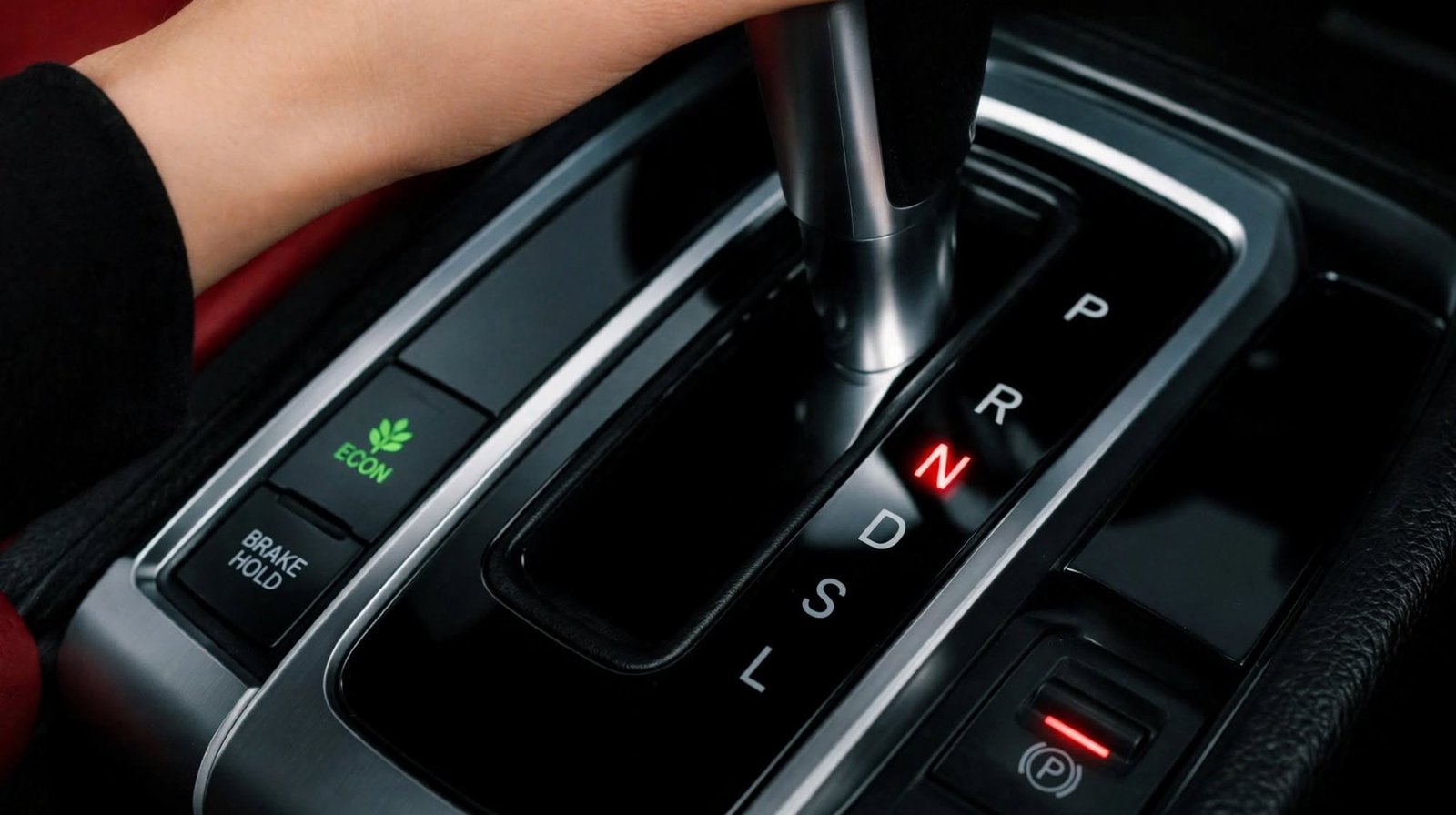
Coasting downhill in neutral is a driving technique some motorists use in the hope of saving fuel. The theory sounds simple: disconnect the engine from the drivetrain, let the vehicle roll freely, and reduce fuel consumption. However, in most modern petrol and diesel cars, this habit offers little benefit and can compromise safety.
The reason lies in how modern engine management systems work.
WHY COASTING IN NEUTRAL MAY WASTE MORE FUEL
Modern fuel-injected engines often use a system called Deceleration Fuel Cut-Off (DFCO). When the driver releases the accelerator while the vehicle remains in gear, the engine control unit can temporarily stop fuel injection under suitable operating conditions. The vehicle’s momentum keeps the engine turning without requiring fuel to maintain idle speed.
However, when the transmission is shifted into neutral, the engine generally needs a small amount of fuel to maintain idle speed. Consequently, switching to neutral may consume more fuel than simply lifting off the accelerator while remaining in gear. The exact result depends on the vehicle and driving conditions.
Some modern vehicles feature specially engineered coasting or sailing functions that automatically disconnect the engine from the drivetrain to improve efficiency under appropriate conditions. These systems are different from manually selecting neutral while driving.
THE SAFETY RISKS OF COASTING DOWNHILL
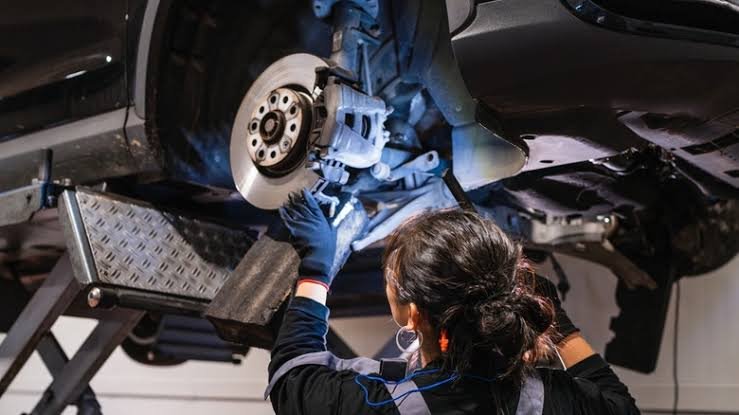
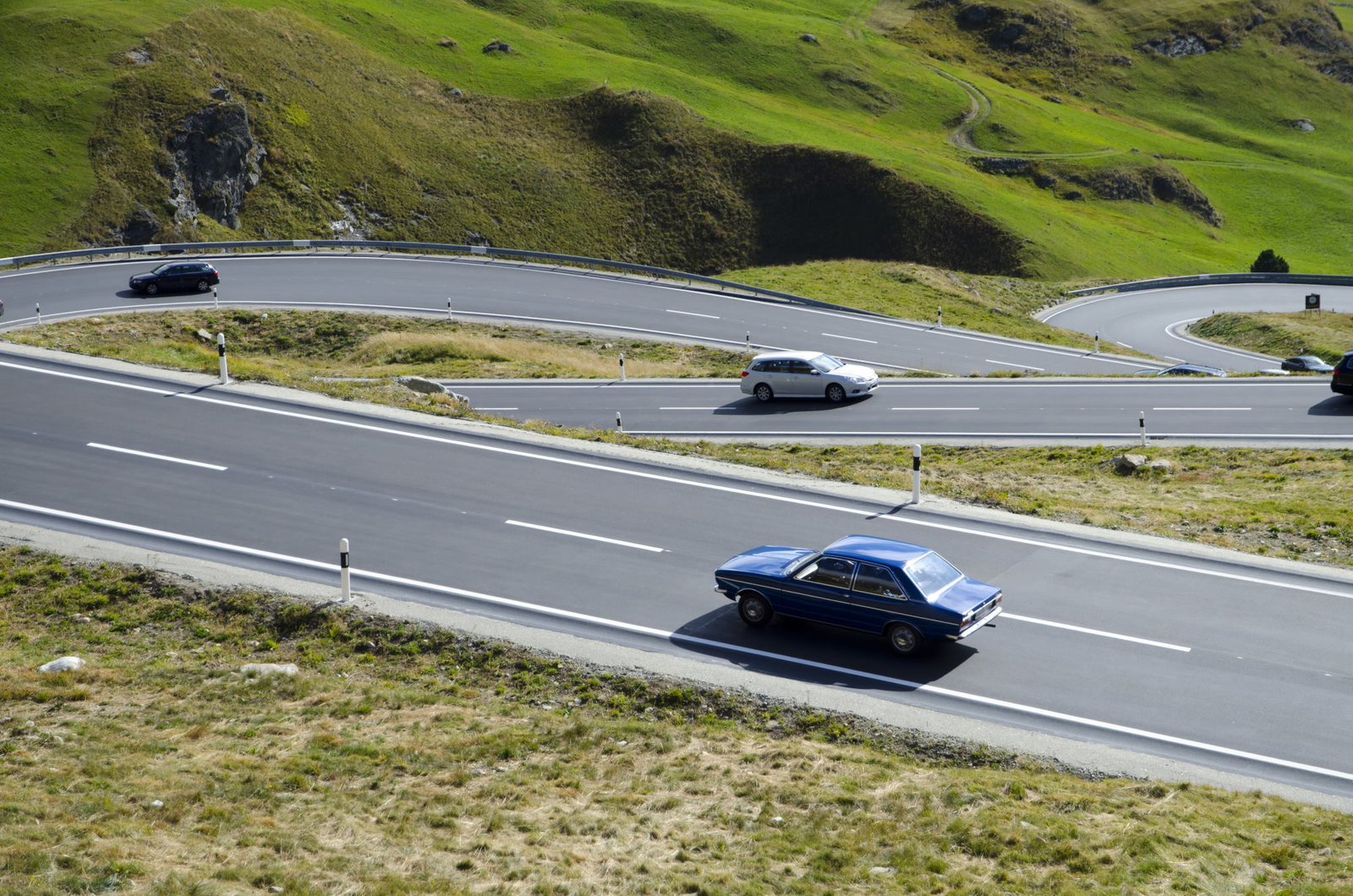
Fuel economy is not the only concern. Shifting into neutral removes engine braking, meaning the driver must rely more heavily on the conventional braking system to control speed on a descent.
On long downhill roads, excessive reliance on the brakes can cause them to overheat, reducing braking performance and potentially leading to brake failure. Using an appropriate lower gear helps control the vehicle’s speed and reduces the burden on the braking system.
There are also legal considerations. In the United States, several states prohibit coasting downhill in neutral. For example, California Vehicle Code Section 21710 and New York Vehicle and Traffic Law Section 1216 explicitly prohibit the practice. However, regulations vary by jurisdiction.
HOW TO SAVE FUEL WITHOUT SACRIFICING SAFETY
For everyday driving, a better approach is to anticipate traffic, accelerate smoothly, avoid unnecessary braking, and maintain a steady, reasonable speed. Avoiding aggressive acceleration and braking can help improve fuel economy.
When travelling downhill, keep the vehicle in an appropriate gear and use engine braking when necessary, following the manufacturer’s recommendations. This helps maintain control without relying excessively on the brakes.
Ultimately, manually shifting into neutral to save fuel is not a reliable technique for modern cars. Smooth driving and proper vehicle maintenance are more sensible ways to reduce fuel consumption without sacrificing safety.
Saving fuel should never come at the expense of vehicle control. Rather than shifting into neutral, lift off the accelerator and keep the vehicle in gear. This allows the engine management system to work as designed while helping you maintain better control on downhill roads.
What do you think? Have you ever tried coasting downhill in neutral to save fuel? Share your experience in the comments!

Adhe is part of the 88 Eight Box Editorial Team, covering JDM culture, motorsport, automotive technology, and industry news. The team focuses on delivering original automotive stories, reviews, and insights for enthusiasts worldwide.