
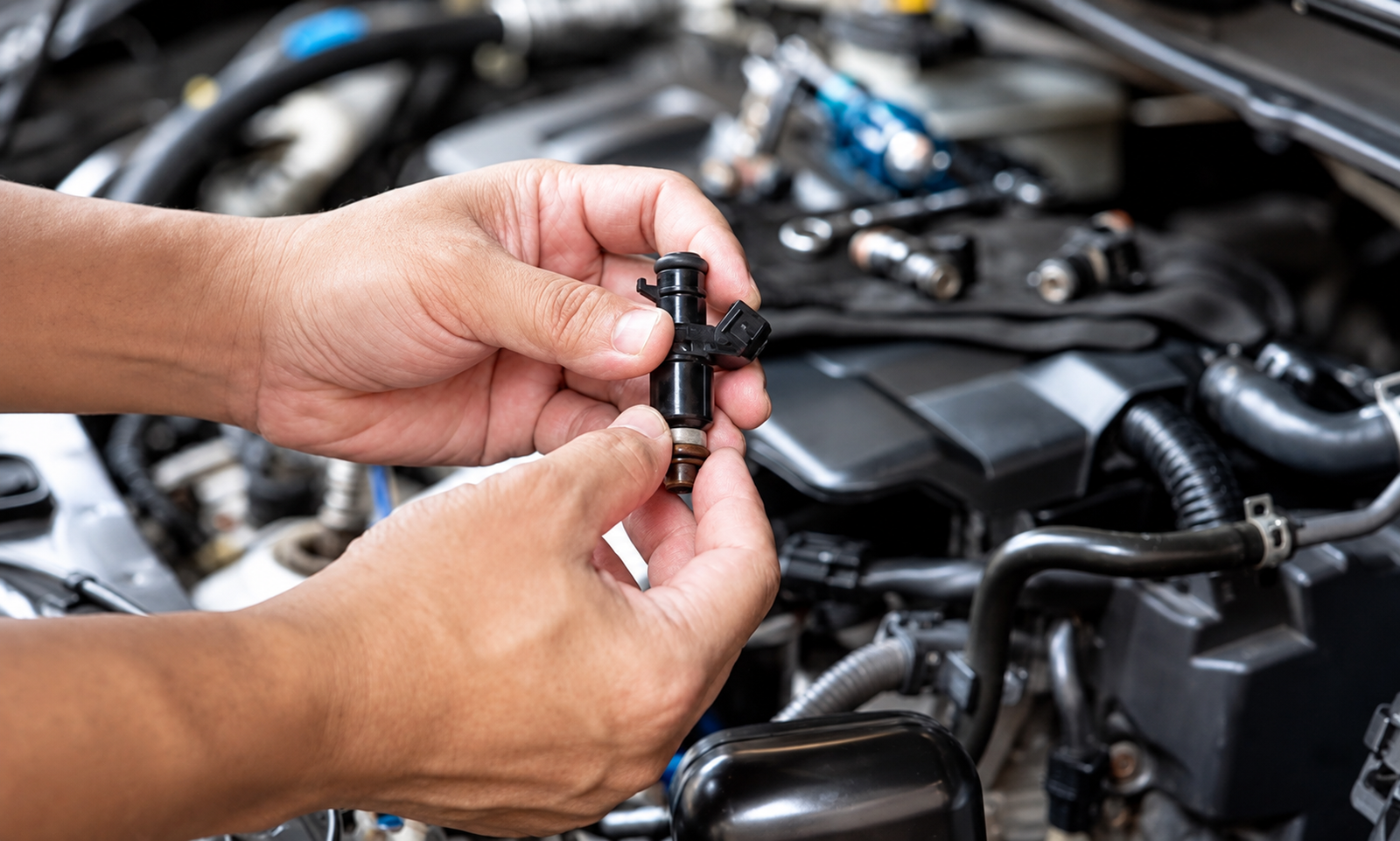
A car does not need a blown engine, a flashing dashboard, or smoke pouring out of the exhaust to tell you something is wrong. Sometimes, the problem starts with a tiny component hiding inside the fuel system: the fuel injector.
These small but crucial parts have one job deliver the right amount of fuel in the right spray pattern so the engine can produce power efficiently. When deposits begin to build up, that precision can disappear. The result? A rough-running engine, sluggish acceleration, rising fuel consumption, and a car that suddenly feels like it has lost its fighting spirit.
The frustrating part is that clogged injectors rarely announce themselves with one unmistakable warning. Their symptoms can look remarkably similar to faults involving spark plugs, ignition coils, fuel pumps, or engine sensors. Ignore the clues, and you could end up spending money chasing the wrong problem.
6 WARNING SIGNS YOUR FUEL INJECTORS COULD BE CLOGGED

1. YOUR ENGINE STARTS SHAKING AT IDLE
A healthy engine should run relatively smoothly when the car is stationary. If your vehicle starts vibrating excessively, stumbling, or struggling to maintain a steady idle, restricted fuel delivery could be one possible culprit.
A partially clogged injector may struggle to deliver fuel consistently, disrupting the air-fuel mixture and making the engine run unevenly.
2. ACCELERATION FEELS LIKE A FIGHT
Press the throttle, wait for the response, and wonder where the power went. That hesitation could be a sign that the engine is not receiving fuel as it should.
When fuel delivery becomes inconsistent, acceleration can feel sluggish or jerky, particularly when the engine is under load. However, ignition problems and restricted fuel supply elsewhere in the system can produce similar symptoms.
3. YOUR ENGINE STARTS MISFIRING
An engine misfire is another warning sign worth taking seriously. If one cylinder fails to burn its air-fuel mixture properly, the car may jerk, vibrate, lose power, or produce an uneven exhaust note.
A clogged injector can contribute to this problem, but it is not the only possible cause. Worn spark plugs, faulty ignition coils, and other mechanical issues can create the same headache.
4. YOUR FUEL ECONOMY TAKES A HIT
Fuel prices are painful enough without your car developing an appetite for extra petrol.
A restricted injector can disrupt the combustion process and reduce engine efficiency. Depending on the fault and how the engine management system responds, fuel consumption may increase.
If your usual commute suddenly requires more fuel than normal, it is worth investigating. Driving habits, tyre pressure, traffic conditions, and other engine faults can also affect fuel economy, so do not blame the injectors immediately.
5. STARTING THE ENGINE BECOMES A CHALLENGE
Turn the key or press the start button, only to find the engine cranking longer than usual? Severe injector problems can interfere with the fuel delivery needed for reliable starting.
However, a weak battery, a failing fuel pump, or ignition faults may produce similar symptoms. Proper diagnosis is essential before replacing expensive components.
6. THE CHECK ENGINE LIGHT MAKES AN APPEARANCE
Although clogged injectors do not always trigger a warning light, a resulting misfire or abnormal engine operation may cause the engine management system to illuminate the check engine light.
A diagnostic scan can help identify misfire codes or fuel-trim abnormalities. These codes provide useful clues, but they do not automatically prove that an injector is responsible.
CAN FUEL INJECTOR CLEANER SAVE THE DAY?
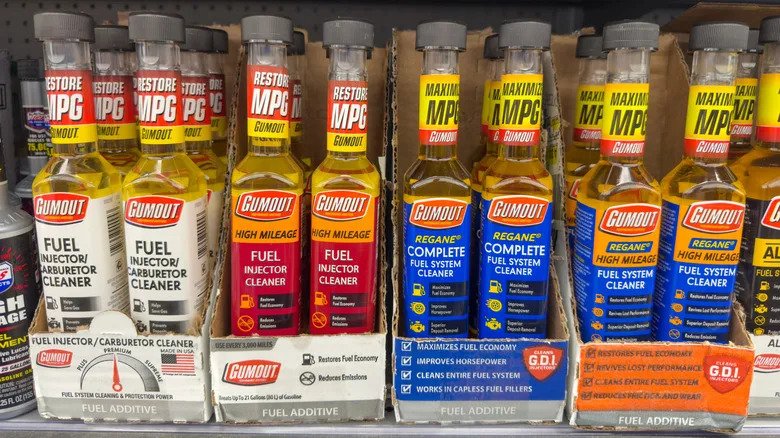
Before booking an expensive repair, some drivers reach for a bottle of fuel injector cleaner. It is easy to understand why: the product is relatively inexpensive, simple to use, and promises to help remove deposits from the fuel system.
For mildly dirty injectors, a suitable cleaner may help dissolve certain deposits and improve fuel delivery. Products such as Red Line SI-1 Complete Fuel System Cleaner are designed for this purpose.
But there is a catch.
Fuel injector cleaner is not a miracle cure.
Its effectiveness depends on the type and severity of the deposits, the condition of the injector, and whether the product is compatible with the vehicle. A bottle poured into the fuel tank cannot repair a cracked injector body, damaged seals, electrical faults, or a mechanically failed component.
If the injectors are heavily restricted, professional cleaning may be necessary. Depending on the vehicle and injector design, a workshop may use specialist cleaning equipment, including ultrasonic cleaning where appropriate. In some cases, replacement is the only practical solution.
Always follow the vehicle manufacturer’s recommendations and the cleaner’s instructions. Using an unsuitable additive or the wrong procedure can create problems rather than solve them.
BEFORE YOU BLAME THE INJECTORS, CHECK THE EVIDENCE
Here is where things get interesting: a rough idle, poor acceleration, and rising fuel consumption do not automatically mean your injectors are clogged.
Worn spark plugs, failing ignition coils, low fuel pressure, vacuum leaks, faulty sensors, and mechanical engine problems can all produce overlapping symptoms.
That is why replacing injectors based on guesswork is a costly gamble. A proper diagnosis may involve scanning fault codes, checking fuel pressure, examining fuel trims, and testing injector operation.
The objective is simple: identify the actual fault before spending money on parts that may not need replacing.
A SMALL COMPONENT THAT CAN CAUSE A BIG HEADACHE
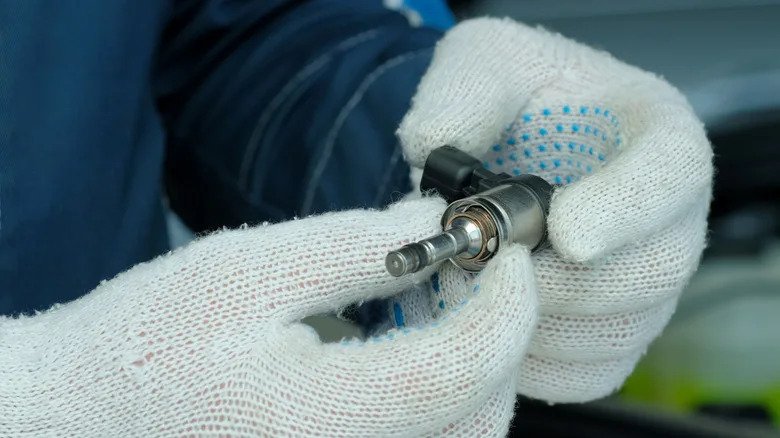
Fuel injectors might not have the glamour of a turbocharger or the mechanical drama of a screaming performance engine, but they play a critical role in how your car runs.
When they become dirty or fail, the effects can spread across the entire driving experience, from idle quality and throttle response to fuel economy and engine reliability.
A quality injector cleaner can be useful when deposits are mild. But when the engine starts misfiring, losing significant power, or struggling to start, proper diagnosis should take priority over experimenting with additives.
The smartest maintenance strategy is not to pour cleaner into the tank at every opportunity. It is to recognise the symptoms, use the correct product when appropriate, and know when the problem has moved beyond a bottle of chemicals.
WHAT ABOUT YOUR CAR? Have you ever experienced a rough idle, sluggish acceleration, or a sudden drop in fuel economy caused by dirty fuel injectors? Did a bottle of injector cleaner actually make a difference, or did your car end up needing professional repairs?
Tell us your experience in the comments. Your story might help another driver avoid an unnecessary repair bill.

Adhe is part of the 88 Eight Box Editorial Team, covering JDM culture, motorsport, automotive technology, and industry news. The team focuses on delivering original automotive stories, reviews, and insights for enthusiasts worldwide.