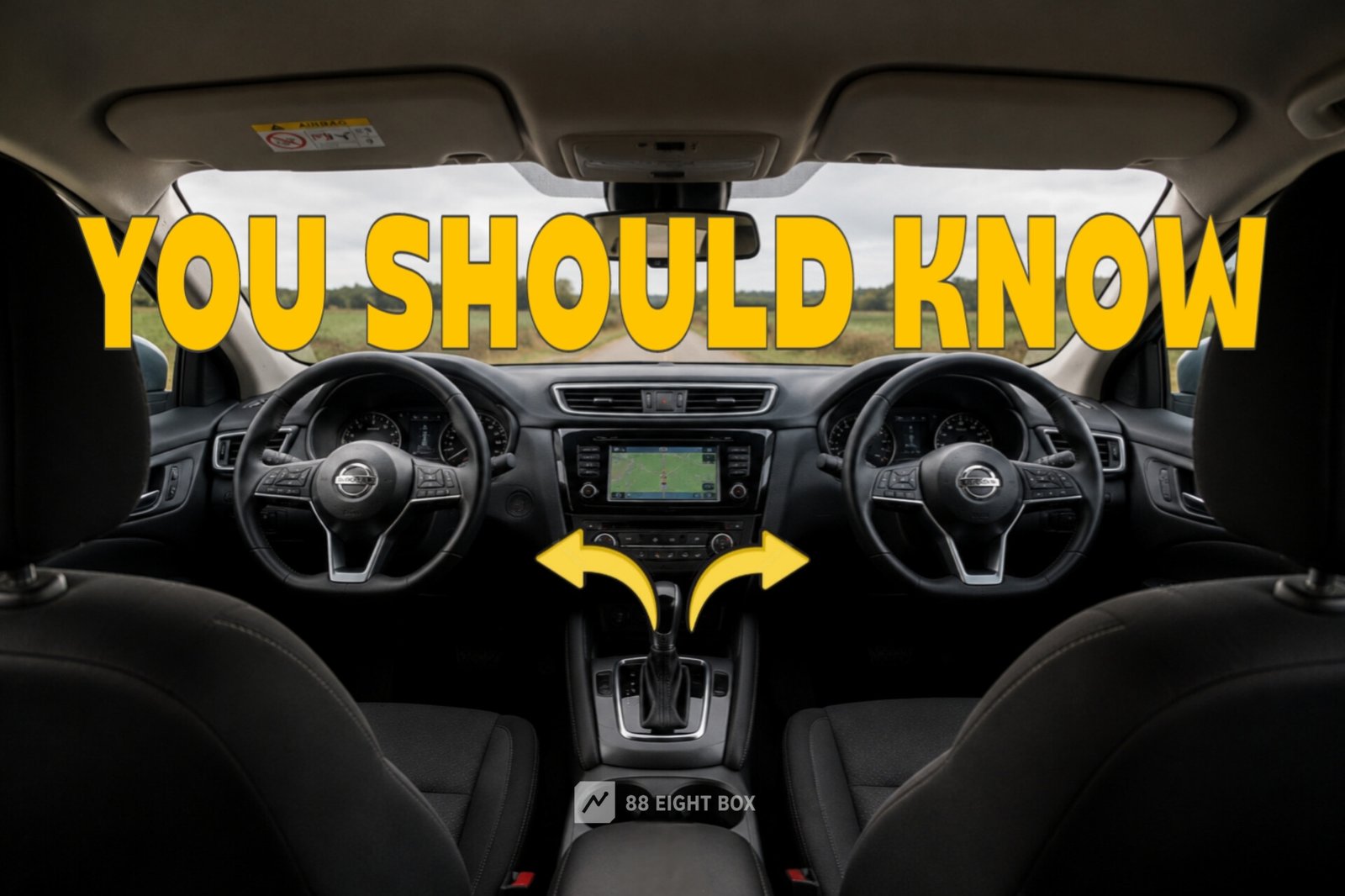
Have you ever landed in another country, jumped into a taxi, and suddenly realized something felt completely different? The cars were moving on the “wrong” side of the road. For travelers moving between countries like the United States, the United Kingdom, Japan, or Germany, that split second confusion is a familiar experience.
But the reason why some countries drive on the left while others drive on the right is far more interesting than a simple traffic rule. The answer goes back hundreds of years, involving medieval knights, transportation changes, political influence, and even the rise of the modern automobile industry.
It All Started Before Cars Existed

Long before cars dominated the roads, humans already had their own ways of moving through traffic.
During medieval times in Europe, many people traveled on horseback. Since most people were right-handed, riders often preferred staying on the left side of the road.
The reason was simple: safety.
If they encountered an enemy or needed to defend themselves, riding on the left gave them a better position to draw a sword with their right hand. It was a practical advantage in a time when road travel could be dangerous.
There was also another reason. Most riders mounted their horses from the left side because it was easier for right-handed people. Keeping to the left side of the road allowed riders to get on and off their horses without blocking others.
Over time, this habit became a common practice across many regions.
The Rise of Wagons Changed Everything
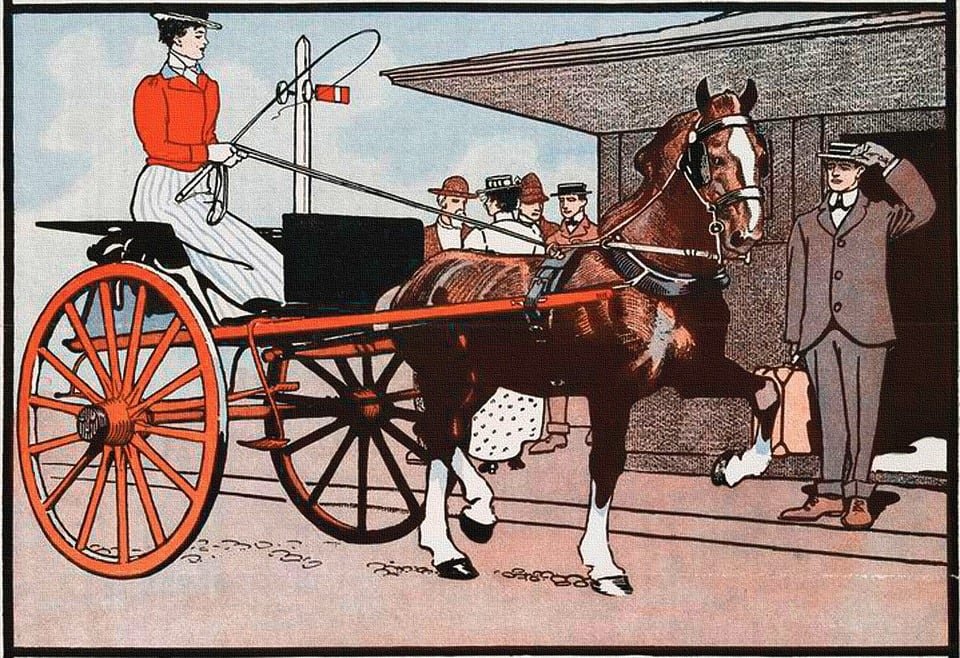
The system began to change in the 18th century when trade expanded and large horse-drawn wagons became the main way to transport goods.
Unlike modern drivers, wagon operators did not sit inside a vehicle. They usually sat on the left side of the wagon or on the rear horse, using their right hand to control the team with a whip.
Sitting on the left gave them a better view of approaching traffic. As a result, keeping to the right side of the road became a safer and more practical choice.
This change spread across much of continental Europe, eventually making right-hand traffic the dominant system in many countries.
How Napoleon Helped Spread Right-Hand Driving
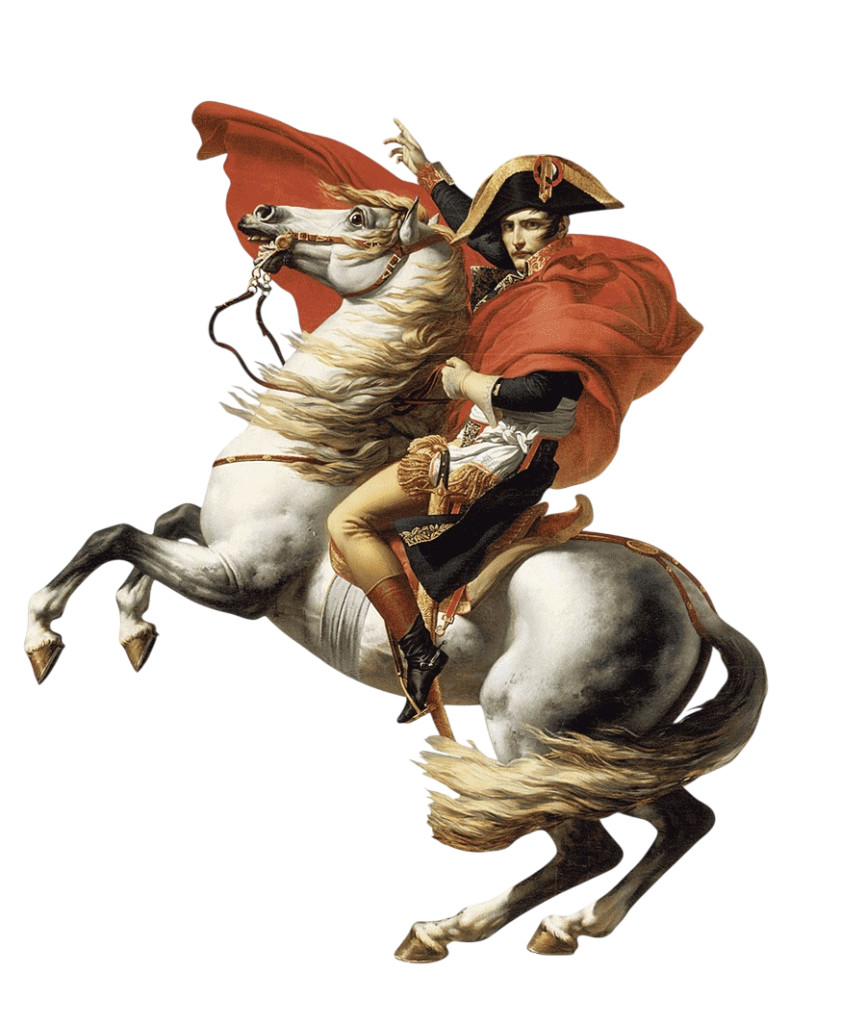
One of the biggest figures connected to the spread of right hand traffic was French military leader Napoleon Bonaparte.
As Napoleon’s armies expanded across Europe, he introduced right side traffic rules in many territories under French control.
It was not only about improving transportation. The change also represented French influence and power over conquered regions.
Britain, however, refused to follow this trend. The country kept driving on the left, and as the British Empire expanded around the world, the left-hand system spread with it.
That is why many former British territories, including India, Australia, New Zealand, and several countries in Africa and the Caribbean, still drive on the left today.
America’s Role in Right-Hand Traffic
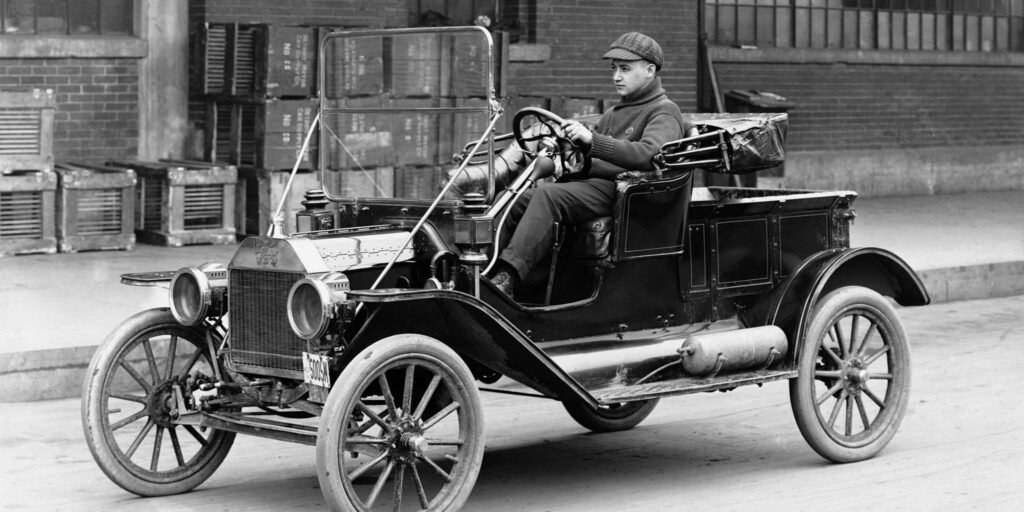
The United States developed its own connection with right hand driving during its transportation revolution.
One important factor was the Conestoga wagon, widely used by American settlers. Similar to European wagons, drivers sat on the left side, making it more practical to keep vehicles on the right side of the road.
Later, the arrival of mass-produced cars made the system even more permanent.
When Henry Ford introduced the Model T in 1908, the vehicle featured a left side steering wheel designed for right hand traffic. Because the Model T became one of the most influential cars in automotive history, its design helped establish the driving style used in America and many other countries.
Why Does Japan Drive on the Left?
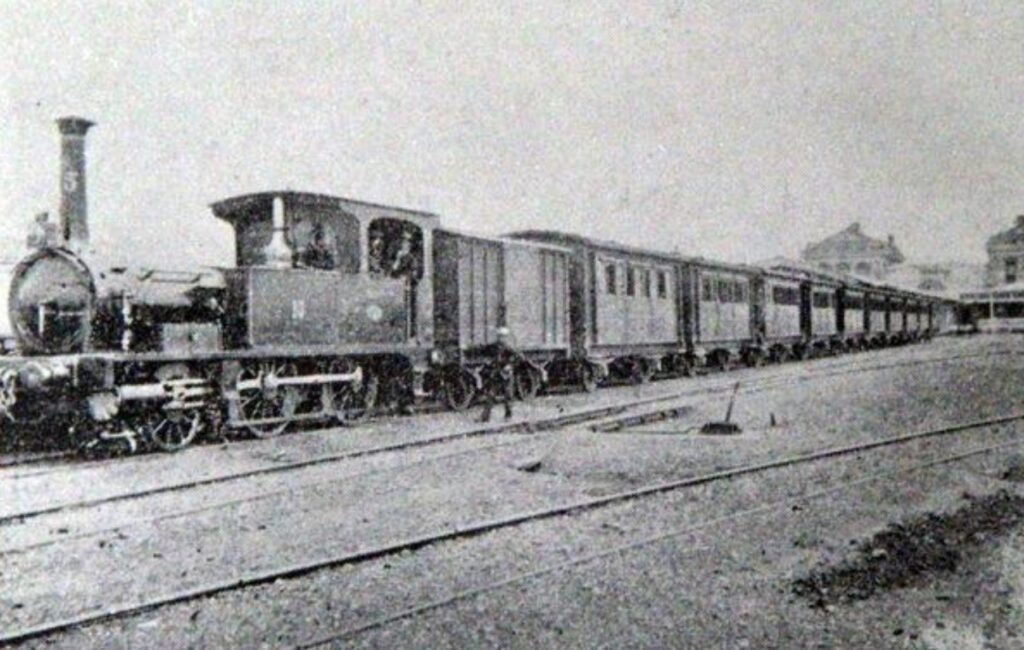
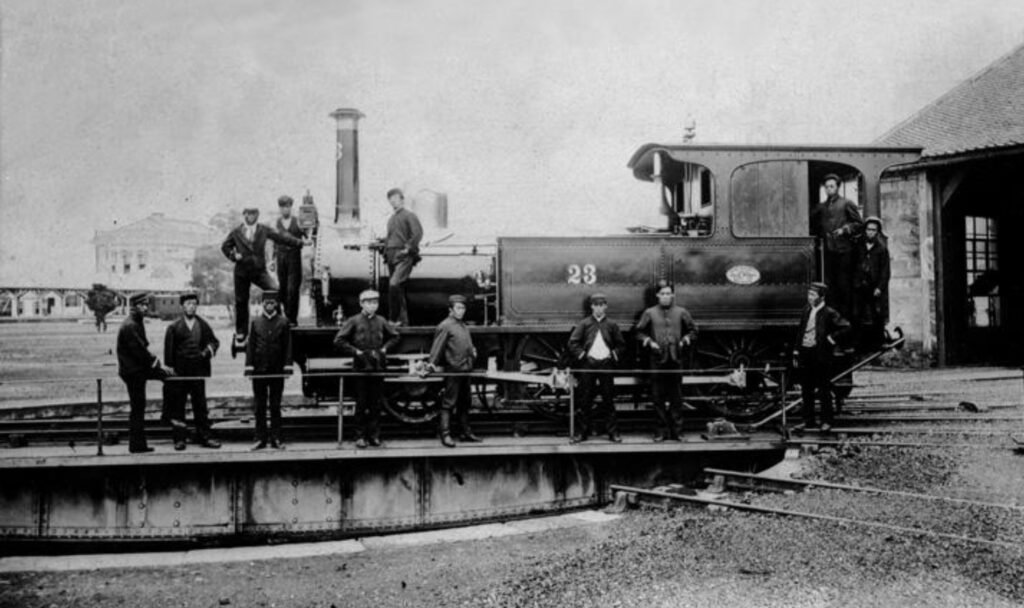
Japan has a unique story.
Although Japan was never a British colony, it still drives on the left side of the road.
The reason goes back to the country’s railway development during the late 19th century. When Japan began modernizing, it invited British engineers to help build its railway network.
Since Britain used left-hand operation, Japan’s railway system followed the same approach. When automobiles became popular, that tradition eventually carried over to road traffic.
A World Divided by History
Today, around two-thirds of the world’s population drives on the right side of the road, while roughly one-third drives on the left.
The division is not random. It is closely connected to history.
Left-hand traffic countries are often former British territories, while right-hand traffic dominates continental Europe, the Americas, and much of Asia.
That is why crossing a border can sometimes feel like entering a completely different driving world. Travel from France into the United Kingdom, and suddenly everything changes.
Countries That Changed Sides
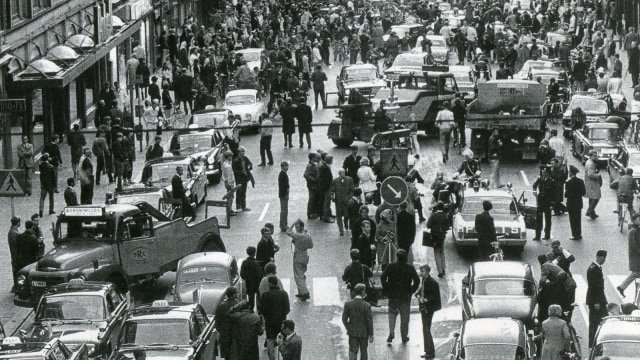
Although traffic systems may seem permanent, some countries have actually switched sides.
Sweden is one of the most famous examples.
Until 1967, Sweden drove on the left, while neighboring countries such as Norway and Finland drove on the right. The difference created confusion, especially at borders, and contributed to traffic problems.
The Swedish government eventually made a bold decision.
On September 3, 1967, at exactly 5:00 a.m., Sweden switched to right-hand traffic in an event known as Dagen H, or H Day.
The change required massive preparation. Road signs, traffic lights, buses, and vehicles all had to be adjusted. Despite the enormous challenge, the transition was considered a success.
Another example is Samoa, which switched from right-hand traffic to left-hand traffic in 2009 to better align with Australia and New Zealand, two of its major trade and travel partners.
So why don’t all countries simply choose one side and make driving easier worldwide?
Because changing traffic systems is not just about repainting roads. It means redesigning infrastructure, modifying vehicles, retraining drivers, and replacing habits that have existed for generations.
The choice between left and right hand driving is a reflection of history, culture, and national identity.
From medieval knights carrying swords, to horse drawn wagons, Napoleon’s influence, and the rise of modern car manufacturing, countless events shaped the way people drive today.
The next time you visit a country where cars move on the opposite side of the road, remember that you are not just seeing a traffic rule.
You are seeing centuries of history still alive on the streets.
What do you think? Should the world eventually adopt one universal driving system, or do these differences make automotive culture around the world more interesting?
Share your comments.

Adhe is part of the 88 Eight Box Editorial Team, covering JDM culture, motorsport, automotive technology, and industry news. The team focuses on delivering original automotive stories, reviews, and insights for enthusiasts worldwide.