The rapid growth of electric vehicles (EVs) is transforming the automotive industry, but it also introduces a new battlefield: cybersecurity.
Imagine if an EV charging station became a “virus” — not a biological one, but a digital threat capable of spreading from one vehicle to another, eventually disrupting entire energy networks. While it sounds like a scene from a science-fiction movie, cybersecurity experts believe this type of attack is theoretically possible due to the increasing connectivity between electric cars, charging infrastructure, and power grids.
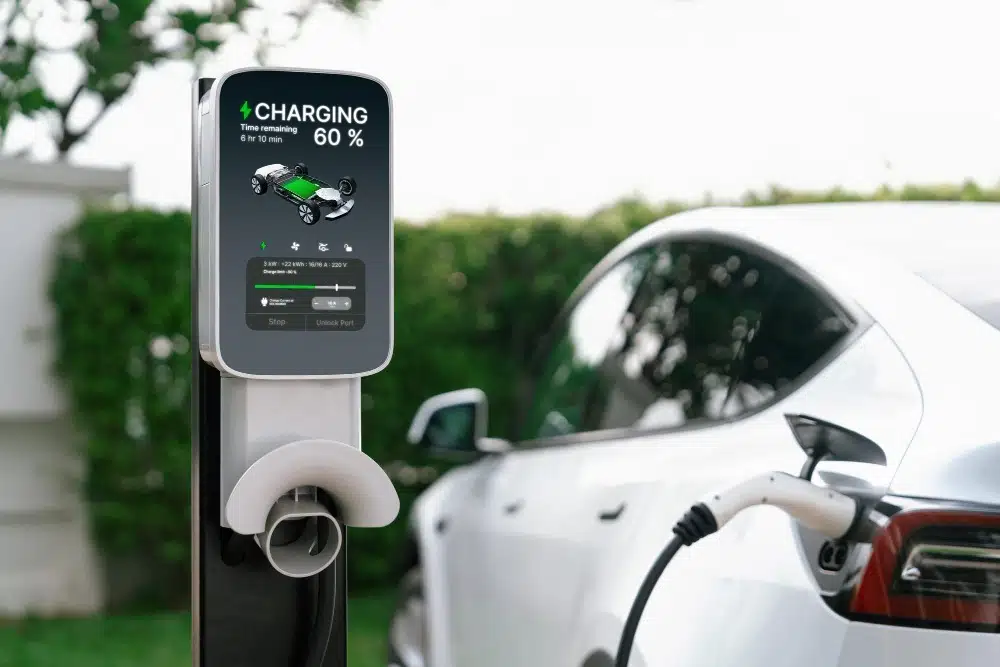
Modern EV charging stations are no longer simple power outlets. They are smart devices connected to the internet, communicating with vehicles through advanced protocols such as ISO 15118 and managed through systems like OCPP (Open Charge Point Protocol).
This means charging stations are becoming another potential target for cybercriminals.
An Infected EV Charger Could Become a Digital “Patient Zero”
In a traditional computer virus outbreak, malware needs a way to enter a system and spread. In the EV ecosystem, a compromised charging station could potentially become the starting point of an attack.
When an electric vehicle plugs into a charger, the connection does not only transfer electricity. The vehicle and charging station also exchange digital information for authentication, payment, and charging control.
A hacked charging station could attempt to exploit vulnerabilities in this communication process and target the vehicle’s electronic systems.
| Attack Area | How It Works | Potential Impact |
|---|---|---|
| Charger-to-Vehicle Communication | Malware exploits weaknesses in data exchange between the charger and EV | Unauthorized access attempts to vehicle systems |
| Electronic Control Units (ECU) | Malicious code targets vehicle control modules | Vehicle software disruption |
| Infotainment System | Attackers access stored user information | Exposure of location data, travel history, and personal information |
| Battery Management System (BMS) | Charging parameters are manipulated | Incorrect battery readings or unsafe charging behavior |
| Vehicle Software | Malware locks or limits vehicle functions | Possible ransomware attacks |
How an EV Virus Could Spread Like a Biological Infection
One of the biggest concerns is the possibility of a chain reaction.
Unlike traditional computers, electric vehicles constantly move between different charging locations. A compromised vehicle or charging station could theoretically become a carrier, allowing malicious code to spread across a larger network.
| Stage | Possible Scenario |
|---|---|
| 1 | Vehicle A charges at an infected EV station |
| 2 | Malicious code attempts to enter the vehicle system |
| 3 | Vehicle A connects to another charging station elsewhere |
| 4 | The second charger becomes a potential infection point |
| 5 | Other vehicles using the charger may be exposed |
A large-scale attack could potentially affect thousands of vehicles and charging points across a city.
The Bigger Threat: A “Virus” Against the Power Grid
The danger does not stop with vehicles.
Large EV charging stations, especially high-speed chargers, require enormous amounts of electricity and are directly connected to urban power networks.
If thousands of charging stations were controlled simultaneously by attackers, the result could create instability similar to an attack on critical energy infrastructure.
| Threat Type | Attack Method | Possible Consequence |
|---|---|---|
| Coordinated Power Surge | Thousands of chargers draw maximum power at the same moment | Extreme stress on the electricity network |
| Load Manipulation | Chargers are forced to suddenly increase or reduce consumption | Grid imbalance |
| Frequency Instability | Sudden changes disrupt power management systems | Risk of regional blackouts |
| Safety System Activation | Automatic protection systems shut down parts of the grid | Large-scale power interruptions |
Could a Cyberattack Cause EV Battery Fires?
One of the most concerning scenarios involves the Battery Management System (BMS).
The BMS is responsible for controlling critical battery functions, including:
- Battery temperature monitoring
- Charging current regulation
- Voltage management
- Cell balancing
If attackers were able to manipulate these systems, they could potentially create incorrect readings or interfere with charging safety limits.
However, modern electric vehicles are designed with multiple layers of protection, including temperature sensors, emergency shutdown systems, and software safeguards to prevent dangerous failures such as thermal runaway.
How the EV Industry Is Fighting Back
Automakers and charging providers are already developing stronger cybersecurity systems to protect the growing EV ecosystem.
| Security Technology | Purpose |
|---|---|
| End-to-End Encryption | Protects communication between vehicles and charging stations |
| Digital Certificates | Ensures only trusted devices connect to the network |
| Secure Authentication | Prevents unauthorized access |
| Network Segmentation | Separates critical systems from external threats |
| Secure Software Updates | Allows manufacturers to patch vulnerabilities remotely |
Electric Cars Are Becoming Computers on Wheels
The future of mobility is no longer just about batteries, electric motors, and driving range. Modern EVs are essentially computers on wheels, connected to charging networks, cloud services, and smart energy systems.
As electric vehicles become more common, cybersecurity will become just as important as mechanical reliability.
The next major battle in the automotive world may not only be about horsepower or battery range — it could be about protecting millions of connected vehicles from invisible digital threats.
What do you think? Will cybersecurity become the biggest challenge facing the electric vehicle industry in the future? Share your thoughts in the comments.

Adhe is part of the 88 Eight Box Editorial Team, covering JDM culture, motorsport, automotive technology, and industry news. The team focuses on delivering original automotive stories, reviews, and insights for enthusiasts worldwide.