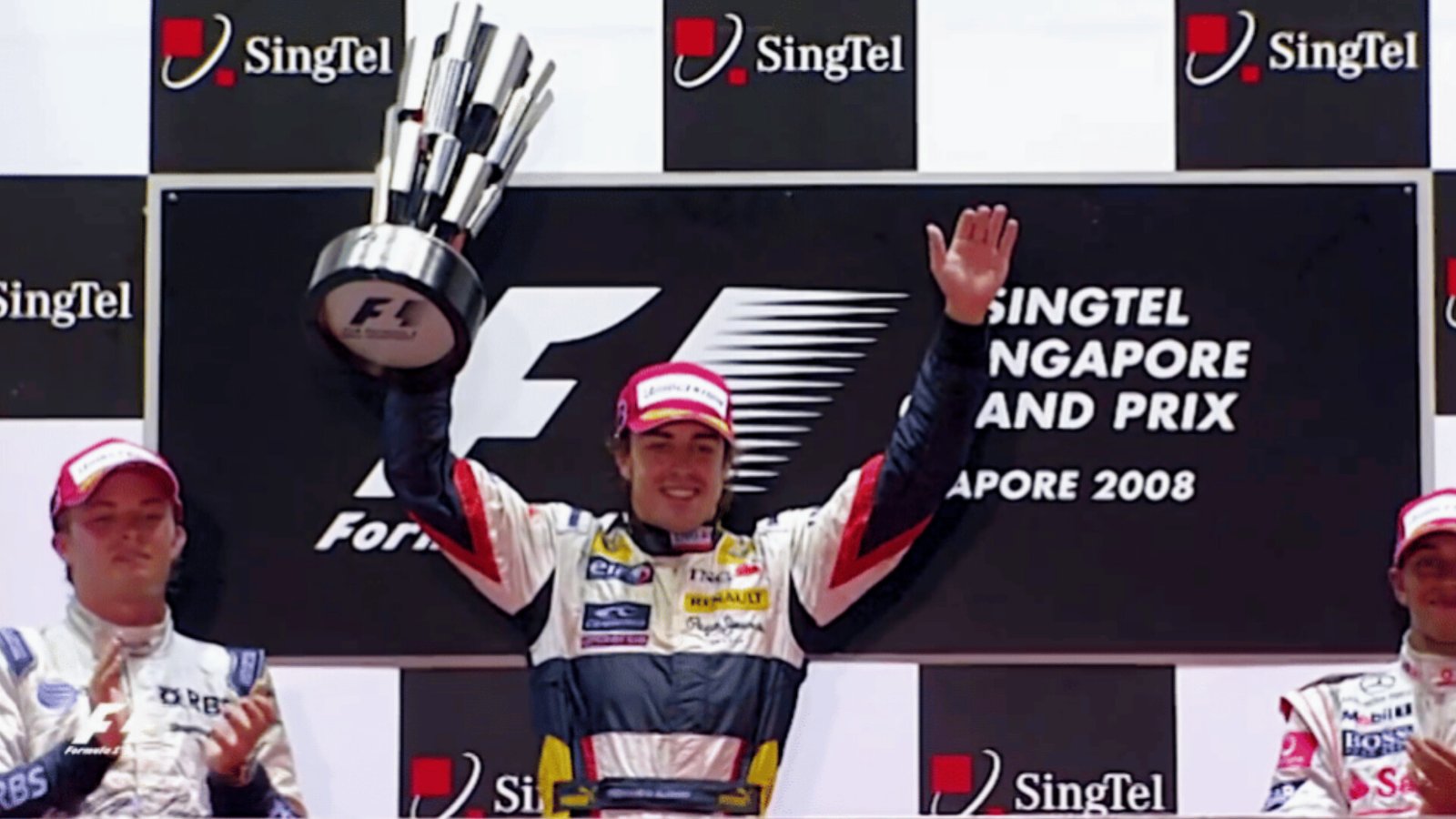
Fernando Alonso winning the first-ever Singapore Grand Prix from 15th on the grid should have been remembered as one of Formula 1’s great comeback victories.
Instead, it became one of the biggest scandals the sport has ever seen.
On that September night in 2008, everything seemed to go perfectly for Alonso and Renault. A clever strategy, a Safety Car at exactly the right moment, and a stunning recovery from the back of the field delivered Alonso one of the most unexpected wins of his career.
Nobody suspected anything was wrong.
Until, almost a year later, one person decided to talk.
That person was Nelson Piquet Jr.
Renault Was Running Out of Options
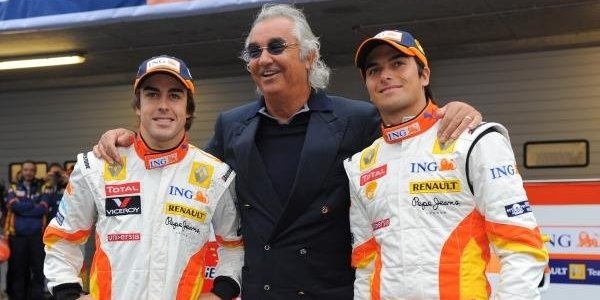
Going into the 2008 Singapore Grand Prix, Renault was under serious pressure.
The team had gone almost two years without a victory and was struggling to recapture the form that had previously made it a championship contender. There were even reports questioning Renault’s long-term commitment to Formula 1.
With the team desperate for a breakthrough, team principal Flavio Briatore and chief engineer Pat Symonds allegedly came up with an extraordinary plan.
The objective was simple: create a Safety Car situation that would dramatically improve Fernando Alonso’s chances of winning.
The method was anything but conventional.
The Order That Changed Everything
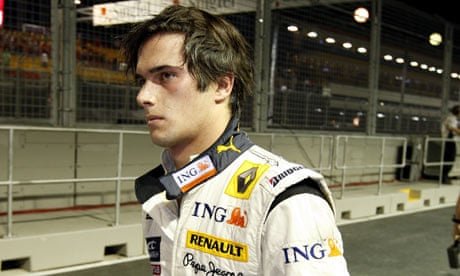
According to Nelson Piquet Jr.’s later testimony to the FIA, he was instructed to deliberately crash his Renault at Turn 17 on Lap 14.
The location and timing were crucial.
If Piquet crashed at that point, the resulting Safety Car would potentially neutralize the field. Alonso, meanwhile, had already made his pit stop before the incident.
It was a massive strategic advantage.
Piquet later claimed that he felt under enormous psychological pressure to follow the order, particularly because his future with Renault was uncertain.
And then, on Lap 14, it happened.
Lap 14, Turn 17
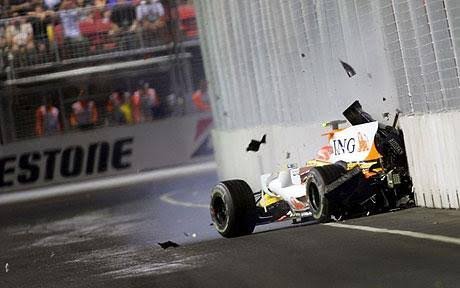
Piquet Jr. slammed into the wall at Turn 17.
The Safety Car was deployed.
The timing could hardly have been better for Alonso.
While other drivers were forced to deal with pit stops under Safety Car conditions, Alonso had already completed his stop. Suddenly, the Ferrari and McLaren drivers who had looked stronger earlier in the race were caught on the wrong side of the strategy.
Alonso moved into contention.
And eventually, the Renault driver crossed the finish line to win the Singapore Grand Prix.
From 15th on the grid to victory.
At the time, it looked like an extraordinary piece of race strategy.
One year later, it looked very different.
The Man They Fired Became the Man Who Exposed It
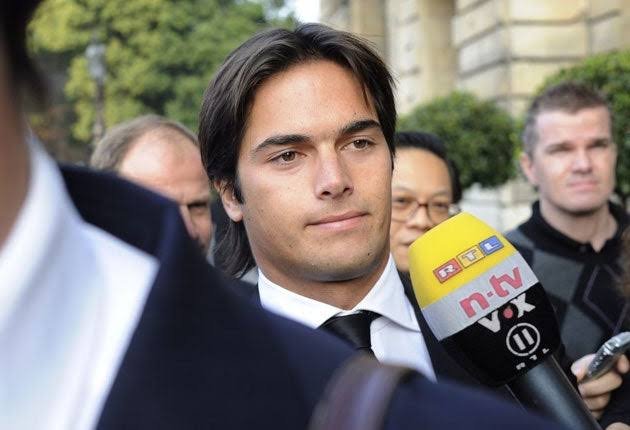
The 2009 season was disastrous for Piquet Jr.
His performances failed to meet expectations, and after scoring no points, Renault eventually dropped him.
But Piquet did not simply walk away.
Following his departure from the team, he provided testimony to the FIA and revealed what he claimed had happened before and during the 2008 Singapore race.
The revelations sent shockwaves through the Formula 1 paddock.
The crash that had appeared to be an unfortunate racing incident was now at the center of an alleged conspiracy to manipulate the outcome of a Grand Prix.
The scandal quickly became known around the world as Crashgate.
FIA Delivers Its Verdict
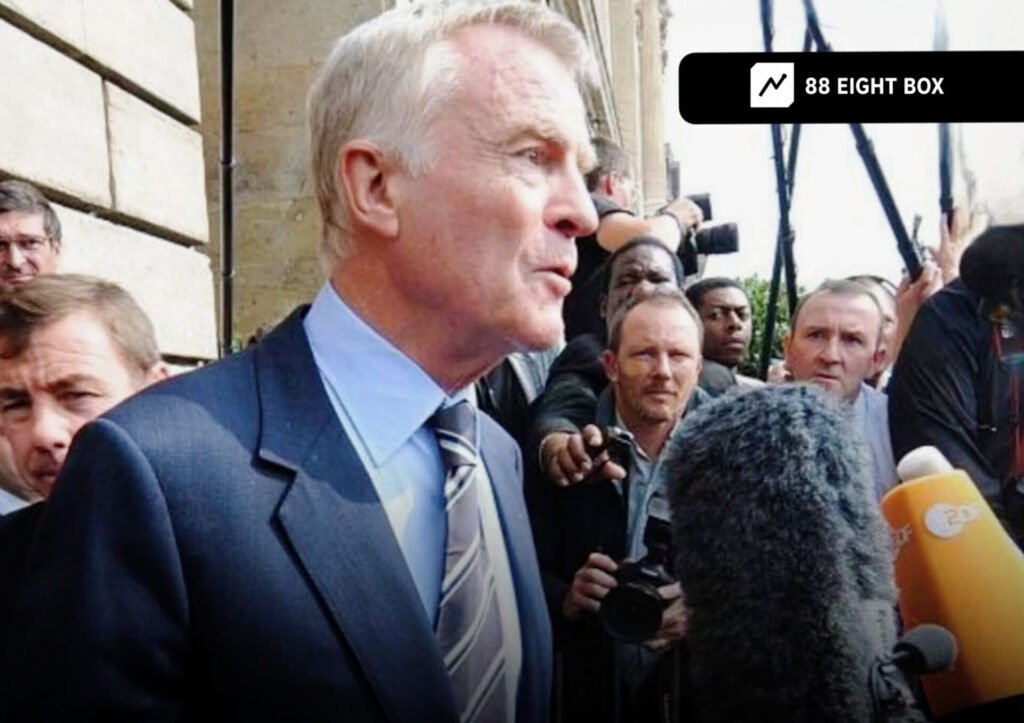
On September 21, 2009, the FIA World Motor Sport Council found Renault F1 guilty of conspiring with Nelson Piquet Jr. to deliberately cause the crash during the 2008 Singapore Grand Prix.
The consequences were severe.
Flavio Briatore was banned from Formula 1, while Pat Symonds also received a ban.
Renault was handed a disqualification from Formula 1 events, but the punishment was suspended.
The case became one of the darkest chapters in modern Formula 1 history.
This was no longer about a technical infringement, an illegal component or a questionable interpretation of the rules.
It was about deliberately manipulating a race.
What About Fernando Alonso?
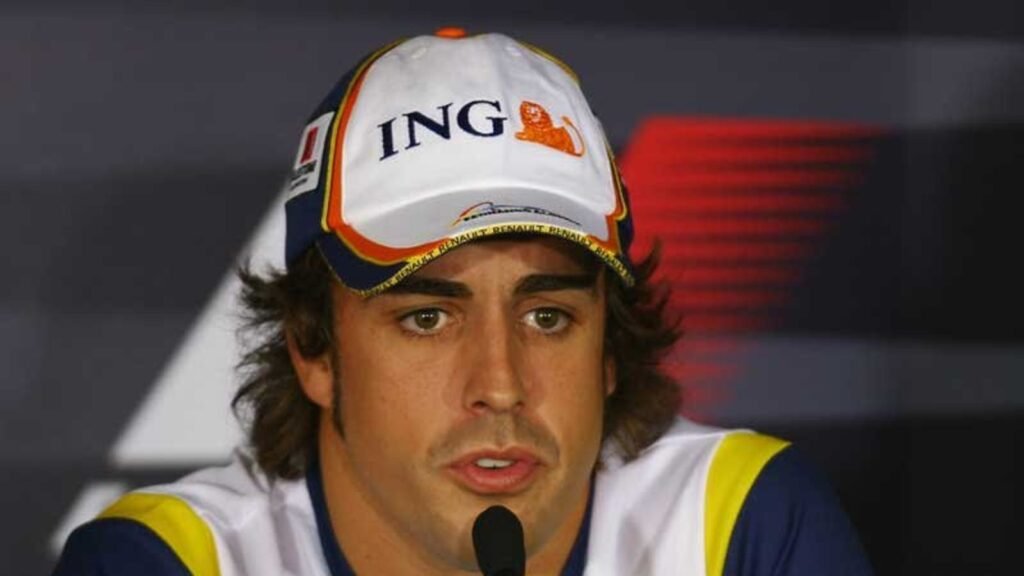
Fernando Alonso’s position in the controversy was also heavily scrutinized.
However, Alonso denied knowing about the alleged plan, and the FIA did not punish him because it did not establish that he had been involved in the conspiracy.
His 2008 Singapore Grand Prix victory therefore remained officially intact.
But the Crashgate controversy permanently changed the way that victory was remembered.
What had once looked like one of Alonso’s greatest strategic wins was now forever associated with one of F1’s biggest scandals.
When Winning Goes Too Far
Crashgate was more than just another Formula 1 controversy.
It demonstrated what can happen when the pressure to win overwhelms sporting ethics.
Renault got the result it wanted.
Alonso stood on the top step of the podium.
But the consequences were enormous.
The scandal damaged Renault’s reputation, destroyed careers and exposed just how far a Formula 1 team could potentially go in the pursuit of victory.
Perhaps the most ironic part of the entire story is who eventually exposed it.
The driver who was allegedly ordered to crash became the person who revealed what had happened.
The victory may have been engineered. The secret, however, eventually became impossible to contain.
Crashgate remains one of those Formula 1 stories that sounds almost too outrageous to be true.
For me, the most disturbing aspect is not simply the manipulation of the race. It is the alleged willingness to put a driver in a deliberately dangerous situation for the sake of a result.
Formula 1 is built around risk, but there is a fundamental difference between accepting the risks of racing and deliberately creating a crash.
A Grand Prix should be won through speed, strategy, teamwork and execution, not by manufacturing an accident.
The bigger question is whether the punishments handed down in 2009 were enough.
What do you think? Was the punishment for Renault, Flavio Briatore and Pat Symonds fair, or should the FIA have gone even further?
Let us know your opinion in the comments. We’d love to hear how you think Crashgate 2008 should be remembered.

Adhe is part of the 88 Eight Box Editorial Team, covering JDM culture, motorsport, automotive technology, and industry news. The team focuses on delivering original automotive stories, reviews, and insights for enthusiasts worldwide.