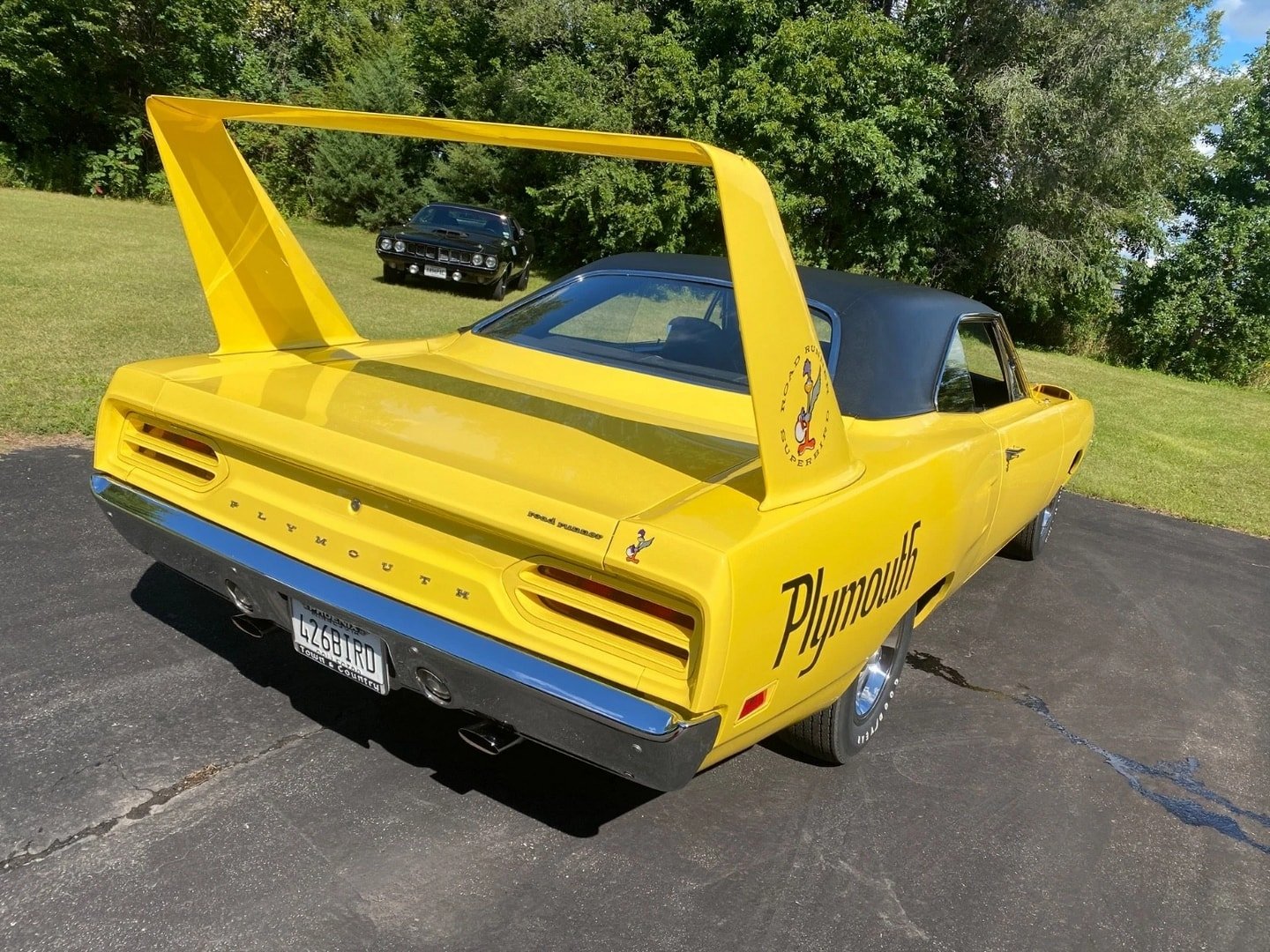
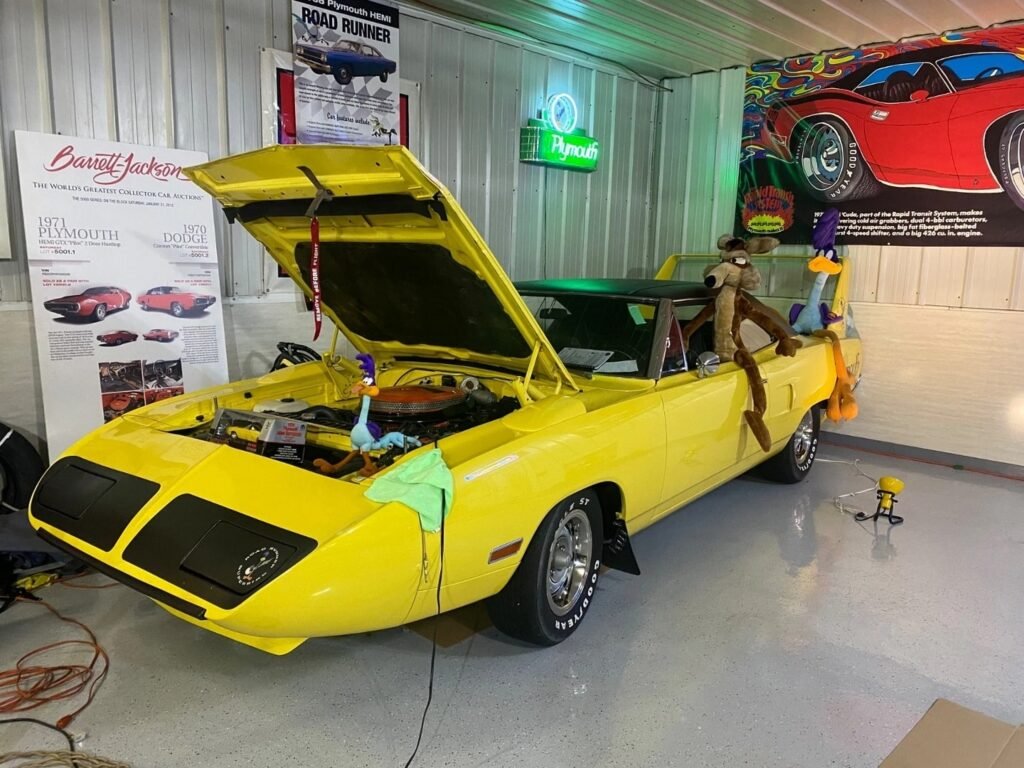
A rare 1970 Plymouth Road Runner Superbird equipped with the legendary 426 Hemi V8 has appeared on eBay with an asking price of $769,000. But the seller is not simply looking for a mountain of cash. The owner is also willing to consider a trade for a 1969 Dodge Charger Daytona powered by a 440 V8, preferably finished in F6 Green and equipped with an automatic transmission, plus additional cash.
That is quite an unusual deal, even by the standards of the Mopar collector-car world.
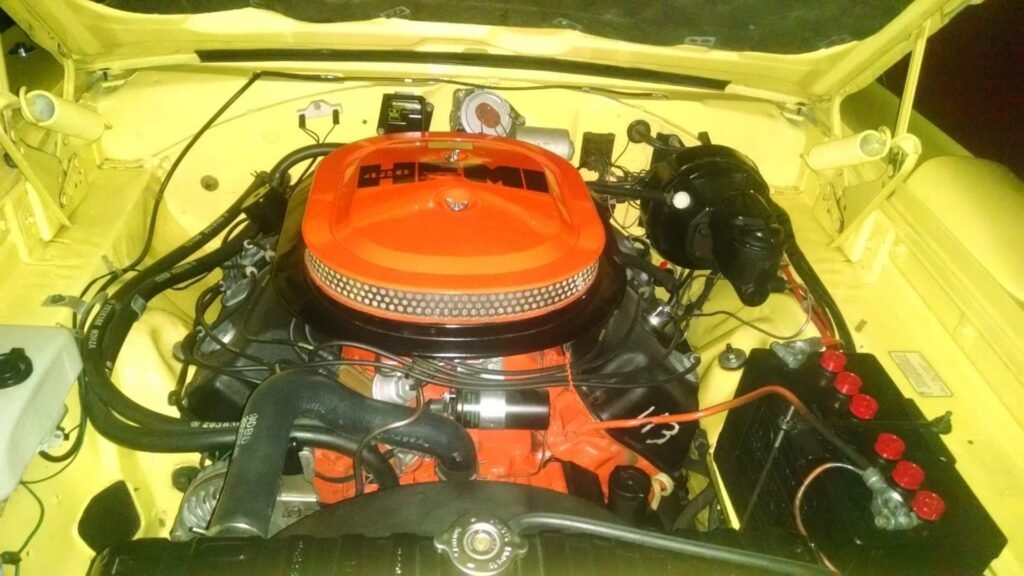
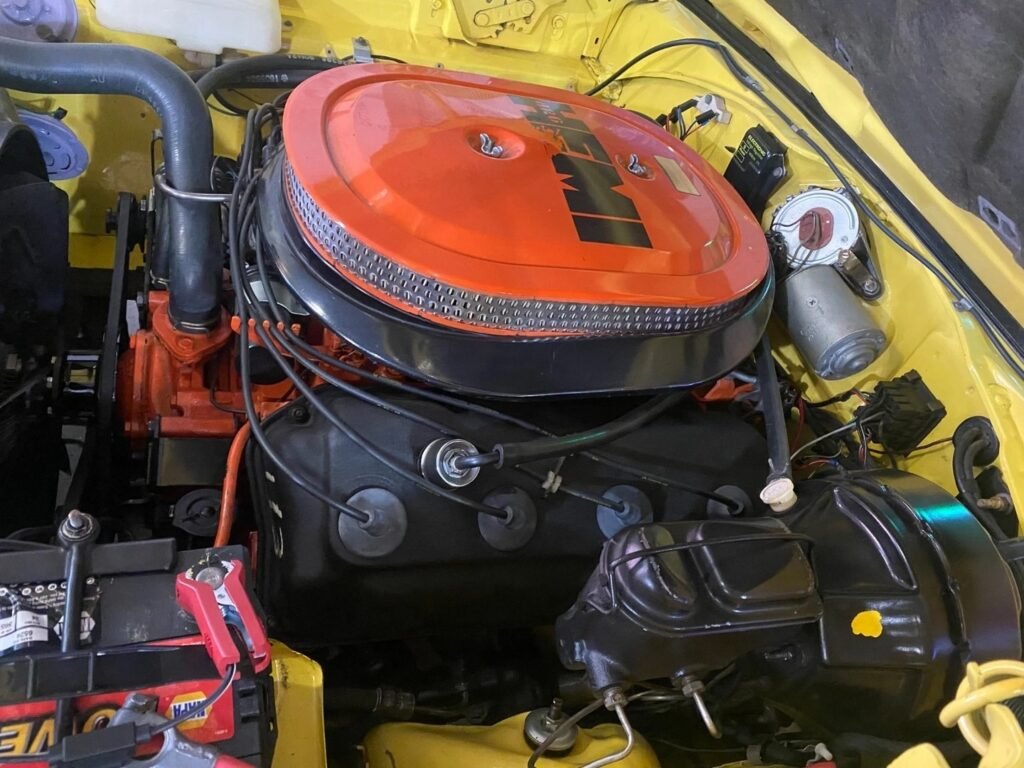
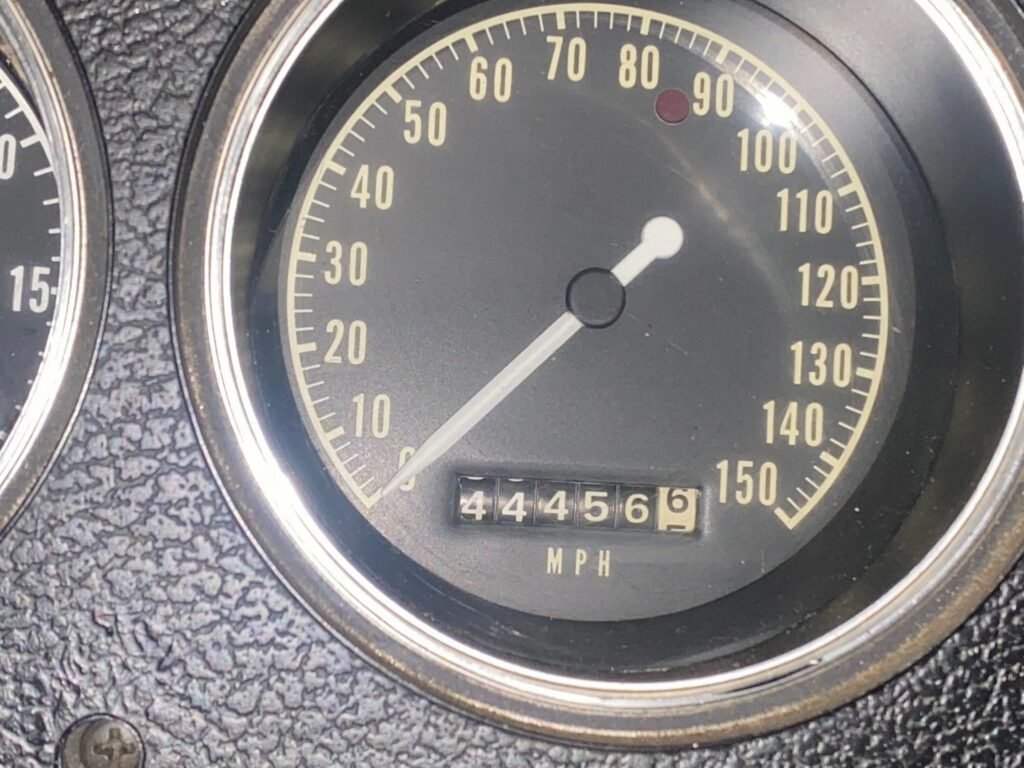
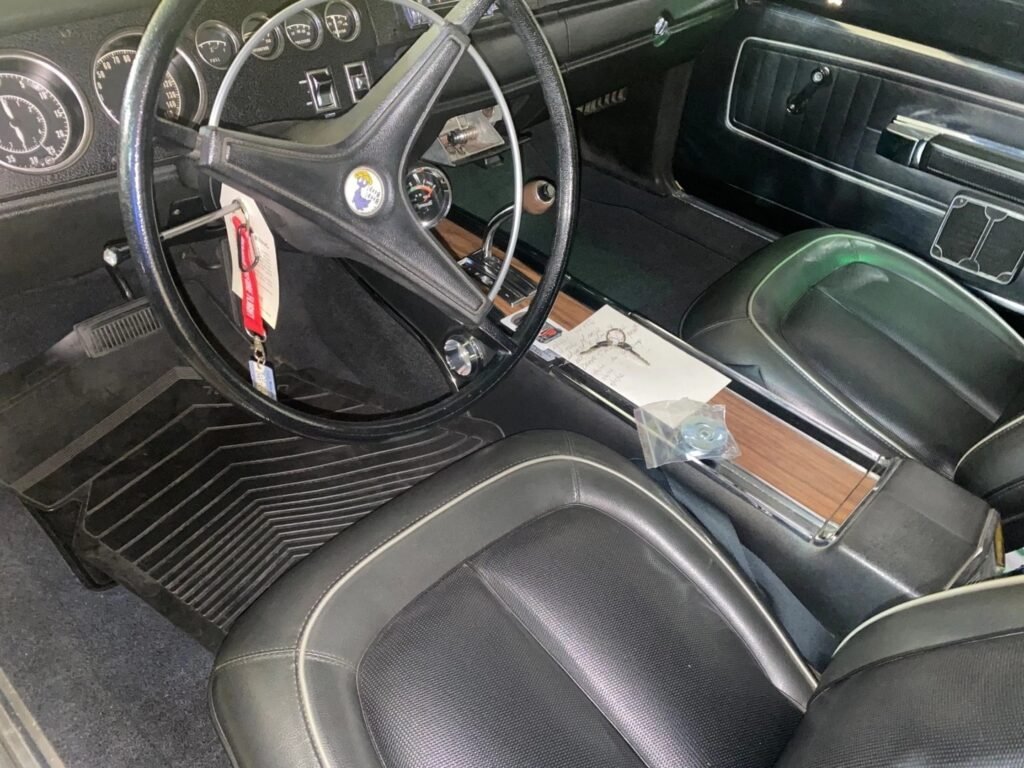
The yellow Superbird is claimed to be one of the best-documented examples in existence, featuring matching numbers, a Dave Wise inspection, extensive historical documentation, and a body reportedly free of rust. Its odometer displays 44,456.6 miles, while the entire drivetrain has reportedly been thoroughly inspected by Quality Muscle Car Restorations LLC, led by Ward Gappa.
Despite its extraordinary asking price, the seller’s description is surprisingly brief. There is little elaborate storytelling or detailed presentation to accompany a car that represents one of the most recognizable chapters in American muscle-car history.
Born to Conquer NASCAR
To understand why the Superbird commands so much attention, we need to return to 1968, when Plymouth introduced the original Road Runner.
At the time, Chrysler recognized that muscle cars were becoming increasingly heavy, luxurious, and expensive. The company wanted to build an affordable performance machine for enthusiasts who cared more about power than unnecessary equipment.
Plymouth responded by stripping the Belvedere down to its essentials and installing a powerful V8 engine under the hood. The company even paid Warner Bros. $50,000 to license the name and likeness of the famous Road Runner cartoon character.
The result was a commercial success, but there was one major problem: aerodynamics.
The standard Road Runner’s boxy shape was not ideal for NASCAR’s high-speed oval circuits. Meanwhile, Ford was gaining the upper hand on superspeedways, forcing Chrysler to develop a more aerodynamic weapon.
Dodge responded with the 1969 Charger Daytona, featuring an extended nose and an enormous rear wing. Plymouth subsequently developed its own answer, the 1970 Road Runner Superbird, partly to bring legendary NASCAR driver Richard Petty back to the Plymouth racing program after he had left for Ford.
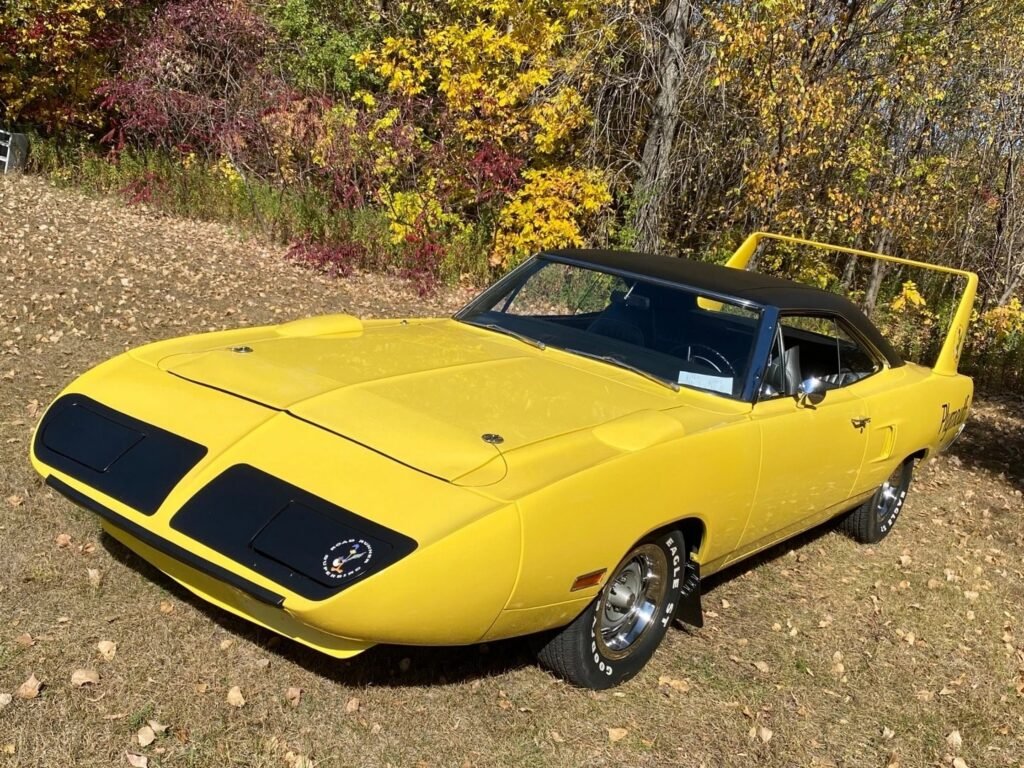
The Superbird was far more than a styling exercise. Its distinctive nose cone and towering rear wing were designed to improve high-speed aerodynamic performance. The wing’s height also helped it operate in relatively undisturbed airflow above the rear bodywork.
Its outrageous appearance was a consequence of engineering priorities rather than an attempt to win beauty contests.
Just 135 Hemi Superbirds Were Built
NASCAR homologation requirements forced manufacturers to produce road-legal versions of their racing machines. For the Superbird, Plymouth built approximately 1,935 examples for civilian buyers, making it a relatively uncommon sight even when new.
Buyers could choose from three engine configurations.
The entry-level option was the 440 Super Commando V8 with a single four-barrel carburetor, installed in 1,084 cars. Those seeking additional performance could opt for the 440 Six Barrel, featuring three two-barrel carburetors, which powered 716 examples.
At the top of the range sat the legendary 426 Hemi V8, the most desirable engine in the lineup.
Only 135 Superbirds left the factory with the 426 Hemi. Of those, 58 were equipped with a four-speed manual transmission, while the remaining 77 received an automatic transmission.
That makes the yellow eBay example particularly interesting. According to the listing, it belongs to the group of just 77 Hemi-powered Superbirds originally equipped with an automatic gearbox.
For collectors, that combination of rarity, original specification, documentation, and condition can play a significant role in determining a car’s value.
A Muscle Car That Was Too Extreme for Its Time
The Superbird was not cheap when it first arrived in showrooms.
Its base price was approximately $4,298, already putting it above the starting price of a standard Road Runner. Adding the 426 Hemi required another $871, pushing the total beyond $5,000 before other options.
For context, that was a substantial amount of money for a Plymouth performance car in 1970.
Its unusual appearance also divided buyers. The elongated nose and oversized rear wing were considered too radical by many customers, and dealers struggled to sell their remaining inventory.
Some dealerships reportedly went as far as removing the aerodynamic bodywork to make unsold Superbirds resemble conventional Road Runners.
Imagine taking a car specifically engineered to dominate NASCAR’s high-speed circuits and removing the very features that made it special just to convince someone to buy it.
Fortunately, the collector-car market eventually saw the Superbird differently. What was once an unpopular showroom oddity became an icon of American motorsport engineering and one of the most recognizable muscle cars ever produced.
From Showroom Struggle to Seven-Figure Collectible
The Superbird’s modern reputation is reflected in the prices achieved by exceptional examples at major auctions.
A restored 1970 Plymouth Superbird equipped with the 426 Hemi reportedly sold for $1.65 million at Barrett-Jackson’s Las Vegas auction in 2022, setting a notable public-sale benchmark for the model.
However, auction prices can vary dramatically depending on provenance, restoration quality, originality, specification, and market conditions. The same car reportedly changed hands for $418,000 at a Mecum auction in 2025, a striking difference from its earlier result.
Those figures illustrate just how unpredictable the market for high-end collector cars can be. A previous auction record does not guarantee that another example will command a similar price, even if it shares the same engine and model year.
Against that background, the $769,000 asking price for the yellow Hemi Superbird is certainly ambitious, although its actual market value will depend on the car’s condition, documentation, originality, and the interest it attracts from potential buyers.
A $769,000 Asking Price With One Unusual Condition
The seller, using the eBay username moparjanitor, is offering two possible routes to a deal: pay the asking price of $769,000 or propose a trade involving a 1969 Dodge Charger Daytona with a 440 V8, preferably in F6 Green with an automatic transmission, accompanied by additional cash.
The listing does not specify how much cash the seller expects in a trade, leaving a substantial part of the potential deal open to negotiation.
The request is particularly intriguing because the Charger Daytona and Plymouth Superbird were closely related products of Chrysler’s aerodynamic NASCAR development program, yet they are not identical cars. The Daytona arrived first in 1969, while the Superbird followed in 1970 with its own distinctive bodywork and model-specific engineering details.
Both are highly collectible today, but their values vary according to engine configuration, transmission, authenticity, and individual history.
Ultimately, the yellow Superbird’s asking price is only the beginning of the story. Whether someone is prepared to pay $769,000 or exchange a desirable Charger Daytona plus cash remains to be seen.
The Superbird is a fascinating reminder of an era when American manufacturers were willing to build road cars that looked as though they had escaped directly from a NASCAR engineering department. Its rarity and Hemi V8 certainly make it special, but an ambitious asking price is not the same thing as a confirmed market value.
Would you pay $769,000 for this yellow Plymouth Superbird Hemi, or would you rather keep the money and hunt for a 1969 Dodge Charger Daytona? Let us know your thoughts in the comments.

Adhe is part of the 88 Eight Box Editorial Team, covering JDM culture, motorsport, automotive technology, and industry news. The team focuses on delivering original automotive stories, reviews, and insights for enthusiasts worldwide.