China is preparing to put physical controls back into cars, pushing back against the industry’s growing obsession with putting almost every function behind a touchscreen.
But there is an important detail that has been lost in some reports: China is not proposing to ban touchscreen displays in cars. Instead, a draft revision of the mandatory national standard GB 4094 would require physical controls for a list of driving and safety-related functions.
The draft was released by China’s Ministry of Industry and Information Technology (MIIT) for public consultation in February 2026. China’s national standards platform currently lists the revision, officially titled Symbols for Controls, Indicators and Tell-Tales of Motor Vehicles, as a mandatory standard project still under approval, with July 1, 2027 proposed as its implementation date.
The existing GB 4094-2016 remains the current standard for the time being.
IT IS NOT THE END OF THE TOUCHSCREEN
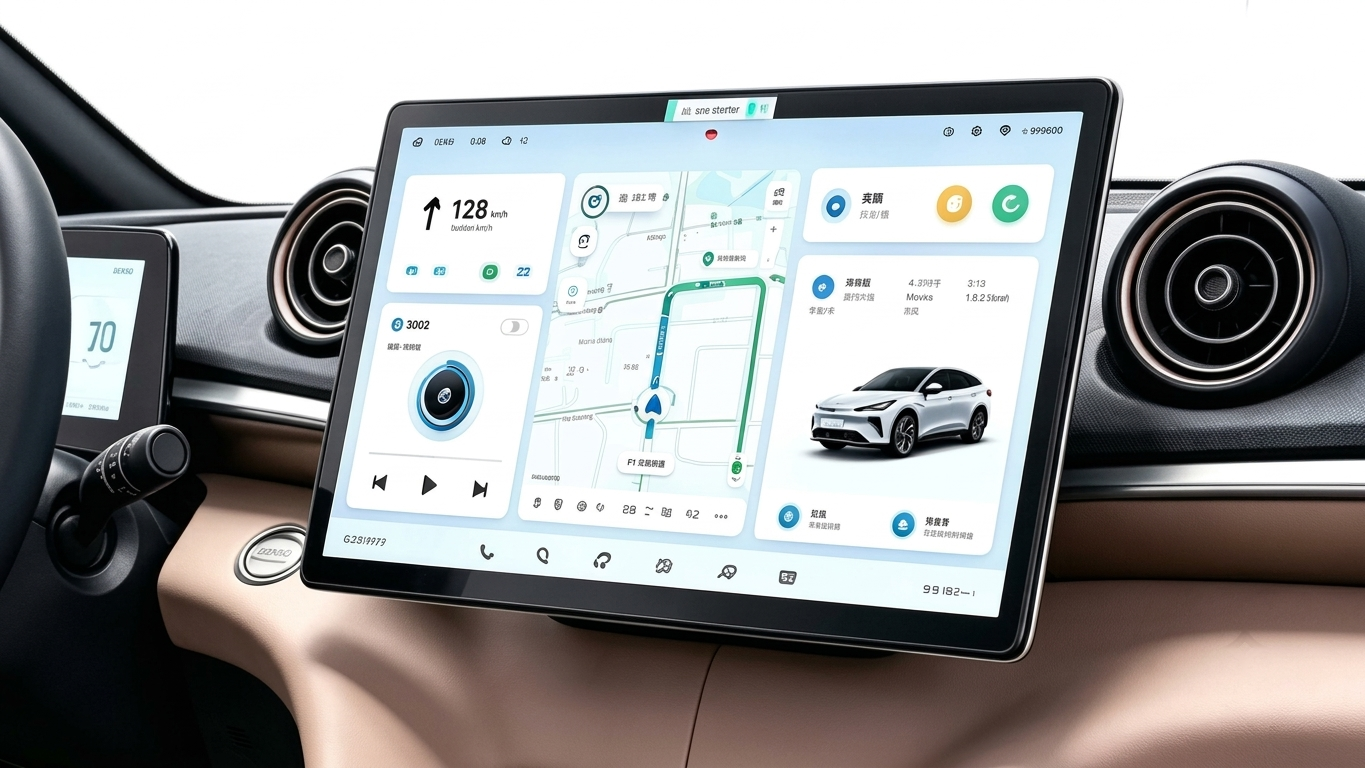
The proposal does not outlaw large central displays, digital instrument clusters or touchscreen infotainment systems.
Functions such as entertainment, navigation and other secondary vehicle settings can still be handled through screens. What the draft is targeting is the idea of making certain essential driving controls touchscreen only.
According to the draft, key controls should be accessible, usable and capable of being operated largely by touch, reducing the need for drivers to visually search through menus while driving. The explanatory document specifically cites concerns over screen freezing, black screens and delayed responses as reasons for requiring physical controls.
In other words, China is not saying, “Get rid of the screen.”
It is saying, “Don’t make the screen the only way to operate the things that matter most.”
19 FUNCTIONS WOULD REQUIRE PHYSICAL CONTROLS
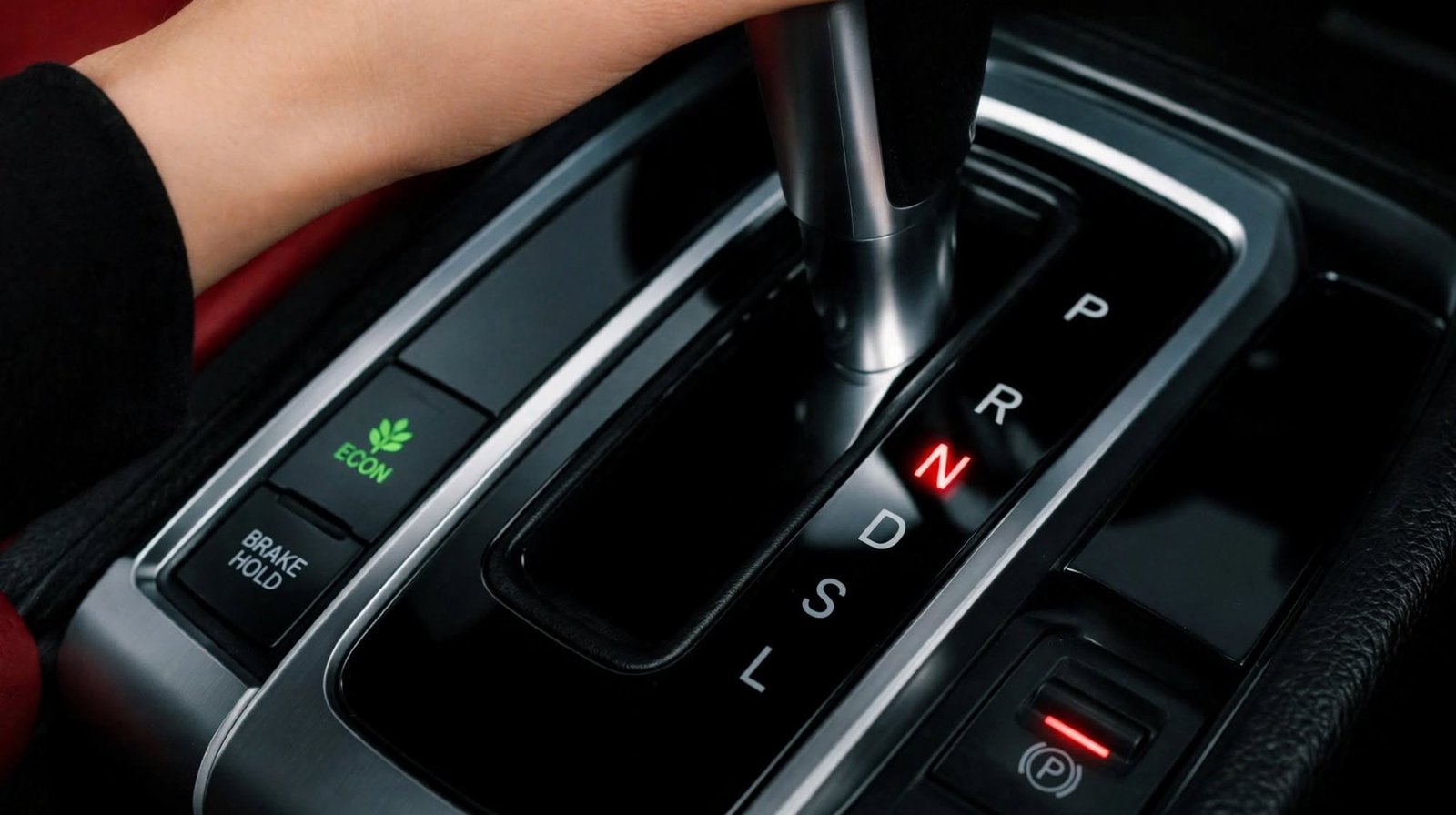
Under section 4.1.11 of the draft, vehicles equipped with the relevant functions would need physical controls for 19 functions:
- Turn signals
- Hazard warning lights
- Horn
- Reverse gear
- Neutral
- Drive
- Park
- Front windshield wipers
- Front windshield defrost/defogging
- Accident Emergency Call System (AECS)
- EV drive-system power cut-off
- Power windows
- Main lighting switch
- High-beam headlights
- Low-beam headlights
- Front and rear position lights
- Rear fog lights
- Combined driver-assistance system activation
- Auxiliary braking system
The wording is important: the requirement applies where the corresponding function is fitted to the vehicle.
There is also an exception for certain automatic lighting systems. If low-beam headlights and position/tail lights automatically return to their automatic mode every time the vehicle is started, the draft allows virtual controls under specific conditions, including direct first-layer access without additional swipes or menu navigation.
THE BUTTON ITSELF HAS TO BE USABLE
China’s proposal goes beyond simply putting a random button somewhere on the dashboard.
The draft says these physical controls must not exist only on a display, must remain in a fixed position and must be designed so the driver can locate and operate them without relying heavily on vision.
It proposes an effective operating area of at least 10 mm × 10 mm, or alternatively a design that allows the driver to identify the control’s location through tactile features such as differences in surface height, gaps or raised sections.
The control must also provide at least tactile or audible feedback so the driver can tell whether the command has actually been registered.
That means a tiny capacitive icon buried inside a touchscreen would not meet the spirit of the proposal.
WHY CHINA IS DOING THIS
The reasoning is relatively straightforward.
Modern cars increasingly treat the central touchscreen as a universal control panel. That works perfectly well for many functions, but it can become awkward when a driver needs something immediately particularly a wiper, defogger, hazard light or gear selection.
MIIT’s own explanatory document says the revision is intended to improve accessibility and reliability, allow key controls to be operated with less visual attention and reduce driver distraction caused by displays.
And there is an interesting irony here.
China has become one of the world’s biggest markets for screen-heavy electric vehicles, with some of the most minimalist interiors on the market. Now, its proposed standard could force manufacturers to rethink just how far that minimalist philosophy should go.
The interesting part of this proposal is not that China is “killing the touchscreen.” It isn’t.
The real story is that the touchscreen is being pushed back into the role it arguably suits best: a powerful interface for information, entertainment and secondary functions, rather than the single point of failure for basic driving controls.
A massive screen can look futuristic, but when a driver needs the wipers or hazard lights in an emergency, knowing exactly where the control is without looking at a menu can be more important than having a perfectly clean dashboard.
What do you think ? should modern cars bring back more physical buttons, or should manufacturers be allowed to put almost everything on the touchscreen? Tell us in the comments.

Adhe is part of the 88 Eight Box Editorial Team, covering JDM culture, motorsport, automotive technology, and industry news. The team focuses on delivering original automotive stories, reviews, and insights for enthusiasts worldwide.