Formula 1 could finally return to Africa in 2030, with Rwanda reportedly securing a deal to host a brand-new Grand Prix near Kigali. If confirmed, the race would end the continent’s 37-year absence from the F1 calendar.
Formula 1 is reportedly heading back to Africa, with Rwanda emerging as the destination for a new Grand Prix from the 2030 season.
According to reports from multiple motorsport sources, Rwanda has reached an agreement in principle with Formula 1 to host a race beginning in 2030. An official announcement could reportedly be made later in 2026.
However, the deal has not yet been formally announced by Formula 1 or the FIA. For now, the 2030 Rwanda Grand Prix should therefore be regarded as a reported agreement rather than a confirmed addition to the official F1 calendar.
If the project goes ahead, it would mark the return of Formula 1 to Africa for the first time since the 1993 South African Grand Prix at Kyalami.
A BRAND-NEW CIRCUIT NEAR KIGALI
Unlike South Africa, which already has the historic Kyalami circuit, Rwanda does not currently have a permanent venue capable of hosting Formula 1.
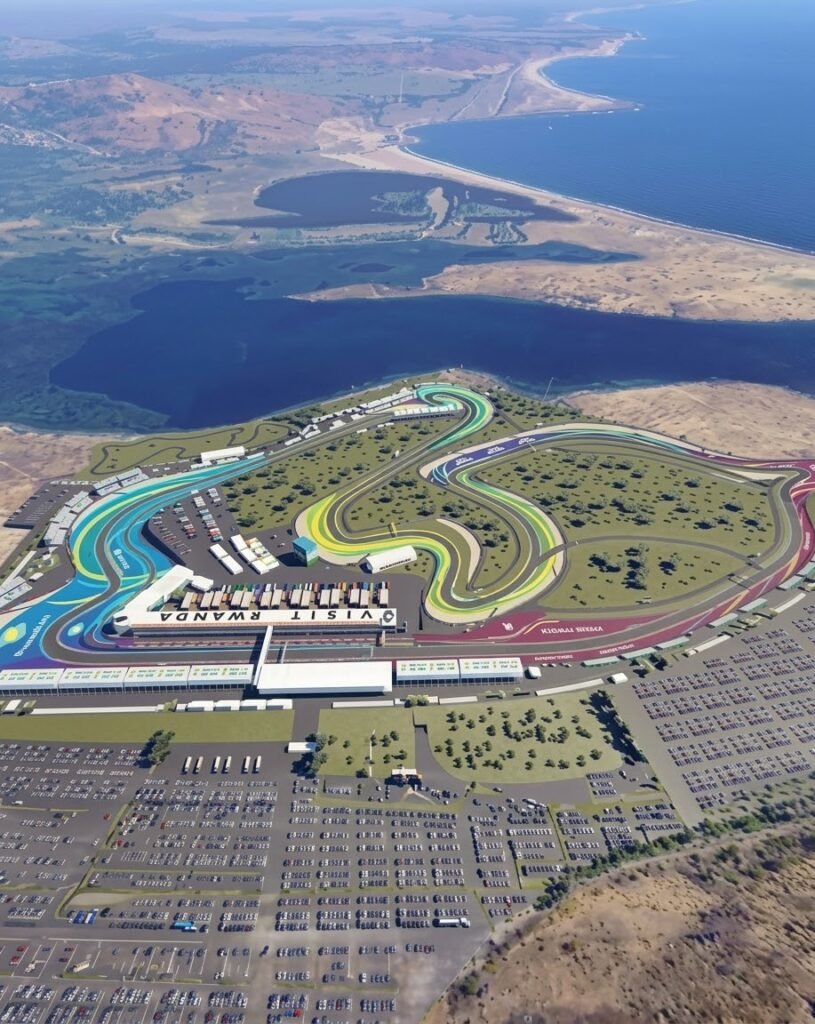
The proposed solution is to construct an entirely new circuit approximately 40 kilometres from Kigali, close to Bugesera International Airport.
The circuit concept has been developed by WurzDesign, the company founded by former Formula 1 driver and circuit designer Alexander Wurz.
The proposed layout is expected to make extensive use of Rwanda’s natural landscape, with elevation changes, fast sections and sweeping corners intended to create a challenging circuit for modern F1 cars.
Earlier concepts for the venue have also highlighted the surrounding forests and lake, potentially giving the circuit a distinctive visual identity unlike anything currently found on the F1 calendar.
But before Formula 1 can race there, the facility would have to satisfy the FIA’s stringent requirements for safety, track design, pit facilities, paddock infrastructure, medical services and spectator access.
RWANDA’S F1 AMBITION BEGAN IN 2024
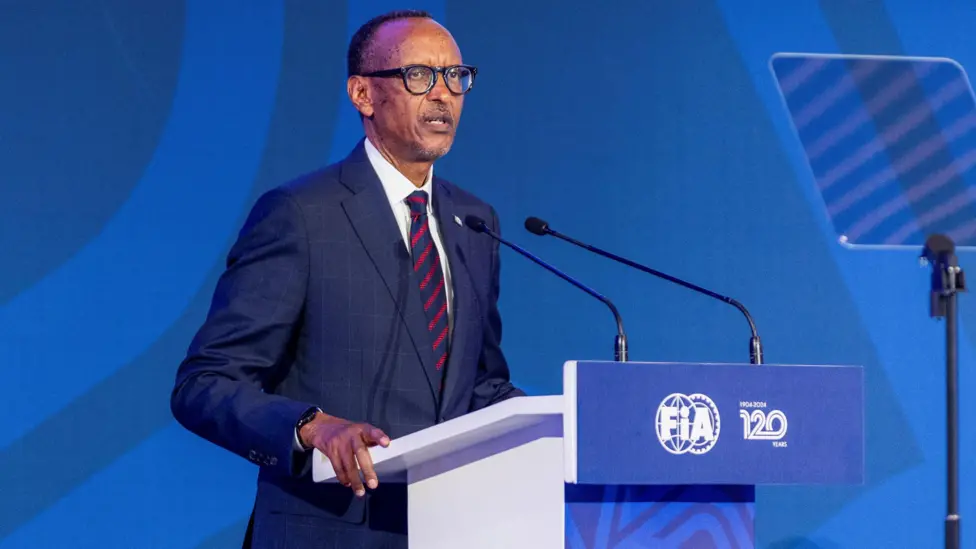
Rwanda’s attempt to bring Formula 1 to the country became public in December 2024.
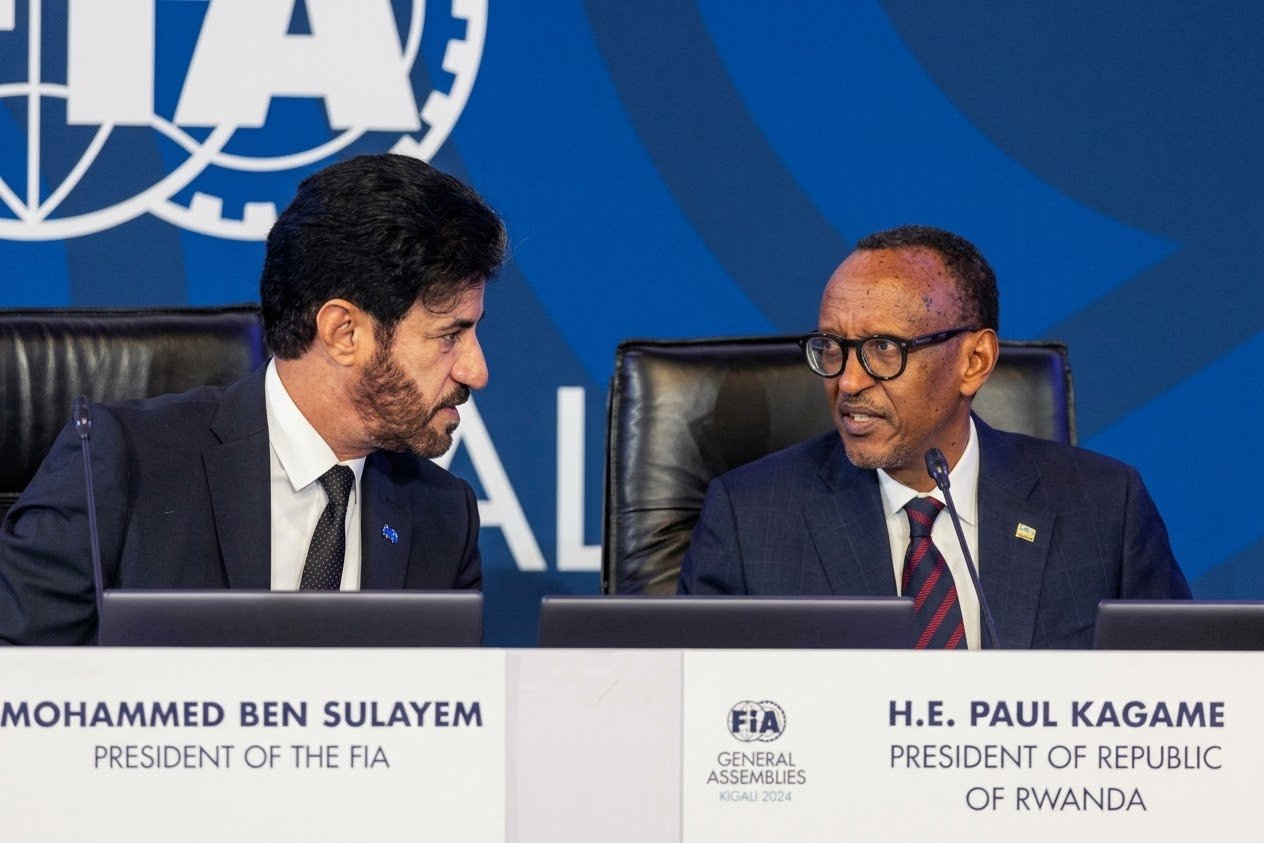
President Paul Kagame announced the country’s intention to bid for a Grand Prix during the FIA General Assembly in Kigali.
The announcement was significant because the FIA had chosen Kigali to host its 2024 General Assembly and Awards ceremony, marking the first time the FIA Awards had been held in Africa.
The event also gave Rwanda an opportunity to demonstrate its ability to host major international sporting events and put the country’s F1 ambitions directly in front of Formula 1 and FIA leadership.
Since then, Rwanda has continued developing its proposal and maintaining discussions with Formula 1 CEO Stefano Domenicali and FIA officials.
WHY RWANDA COULD BEAT SOUTH AFRICA BACK TO F1
Rwanda’s reported breakthrough is particularly interesting because South Africa has also been pushing for Formula 1’s return.
Kyalami remains the continent’s most historically significant potential F1 venue, having hosted the South African Grand Prix for decades.
A separate project in the Western Cape has also been proposed, with plans for a new circuit targeting a potential Formula 1 race in the early 2030s.
Rwanda, however, has taken a different route.
Rather than attempting to upgrade an existing racing facility, the country is proposing a purpose-built Formula 1 circuit from the ground up.
That approach could give Formula 1 greater control over the circuit’s design, infrastructure and commercial facilities, although it also creates a much larger construction and financial challenge.
Formula 1 CEO Stefano Domenicali said earlier in 2026 that discussions regarding a potential African race were progressing well, although he did not publicly identify Rwanda at the time.
AFRICA HAS BEEN WITHOUT F1 SINCE 1993
The potential Rwanda Grand Prix carries significance far beyond the country itself.
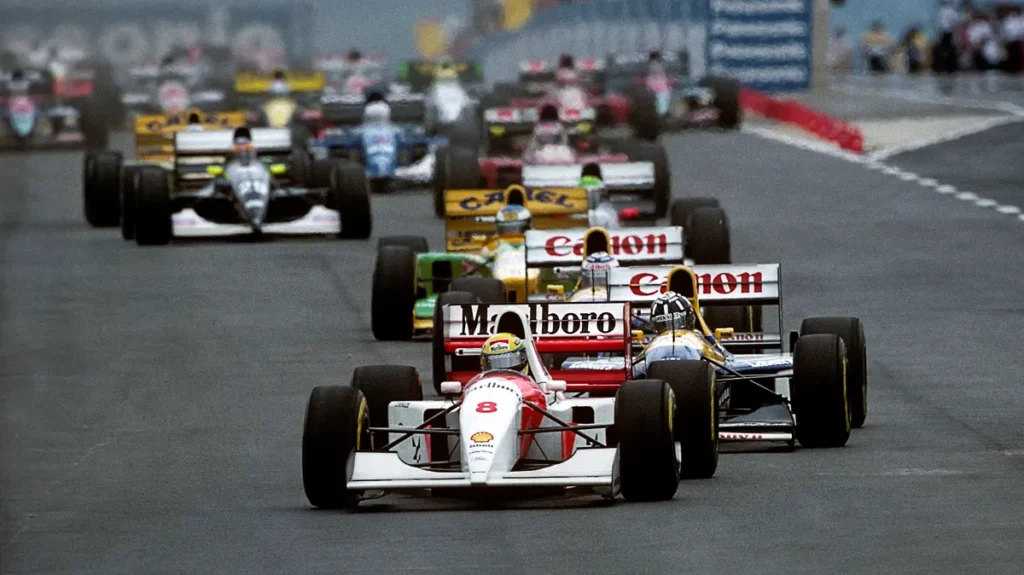
Formula 1 has not raced in Africa since the 1993 South African Grand Prix at Kyalami.
That means a 2030 Rwanda race would end a 37-year absence from the continent.
The lack of an African Grand Prix has become increasingly noticeable as Formula 1 has expanded into new markets around the world.
The championship now visits North America, South America, Europe, Asia, the Middle East and Australia, yet Africa remains without a permanent place on the calendar.
Several current and former F1 drivers have publicly expressed their desire to see the championship return to the continent.
Lewis Hamilton has been particularly vocal about the importance of bringing Formula 1 back to Africa, while Max Verstappen and Lando Norris have also spoken positively about the possibility of racing there.
THE HUGE CHALLENGE OF BUILDING AN F1 VENUE FROM SCRATCH

Despite the excitement surrounding Rwanda’s reported agreement, the project faces a considerable challenge.
The country would need to construct not only a Formula 1-grade circuit but also the infrastructure required to accommodate tens of thousands of spectators, teams, media, VIP guests and international visitors.
Previous reports have suggested that the overall project could require an investment of more than $270 million, although the eventual cost could change considerably as construction plans develop.
The proposed circuit near Bugesera International Airport could benefit from improved international connectivity, while the Grand Prix itself could become part of Rwanda’s broader tourism strategy.
The country has increasingly positioned itself as an international destination for major sporting events, and an F1 race would represent the biggest motorsport event ever staged there.
SUSTAINABILITY WILL ALSO BE IMPORTANT
Rwanda’s environmental policies could also play a role in its pitch to Formula 1.
The country has promoted itself as an environmentally conscious destination, including its well-known restrictions on single-use plastic bags.
That could align with Formula 1’s own sustainability strategy as the championship works toward its target of achieving Net Zero Carbon by 2030.
However, building a completely new motorsport facility also creates environmental challenges of its own.
The construction, transportation requirements and infrastructure surrounding a Grand Prix would need to be carefully managed if Rwanda wants the event to fit convincingly within Formula 1’s sustainability objectives.
POLITICAL QUESTIONS REMAIN
The potential Rwanda Grand Prix is not without controversy.
Rwanda has faced international criticism over human-rights issues and its relationship with the conflict in neighbouring Democratic Republic of Congo.
Those issues have already attracted attention in connection with the country’s F1 ambitions.
Formula 1 has previously indicated that it was monitoring developments in the region, while Rwanda has rejected allegations concerning its involvement in the conflict.
For Formula 1, the decision is therefore about much more than building a suitable racing circuit.
The championship must also consider political stability, international reputation, commercial viability, security and its own standards before a Grand Prix can officially join the calendar.
A NEW CHAPTER FOR FORMULA 1 IN AFRICA?
If the reports are eventually confirmed, Rwanda would become one of the most unexpected new destinations on the Formula 1 calendar.
Rather than returning to a famous historic circuit, F1 would be entering a completely new market and helping create a new motorsport destination from the ground up.
For Rwanda, the potential Grand Prix would be much more than a single sporting event.
It could become a major tourism attraction, an international showcase and a statement of the country’s ambition to host some of the world’s biggest sporting events.
For Formula 1, meanwhile, Rwanda would finally provide an opportunity to reconnect with an entire continent that has been missing from the championship for almost four decades.
The 2030 Rwanda Grand Prix is not officially confirmed yet, but the latest reports suggest that the project has moved significantly closer to becoming reality. If the agreement is formally announced and the circuit is built to FIA standards, Formula 1 could finally return to Africa and this time, it could look completely different from the championship’s previous visit.

Adhe is part of the 88 Eight Box Editorial Team, covering JDM culture, motorsport, automotive technology, and industry news. The team focuses on delivering original automotive stories, reviews, and insights for enthusiasts worldwide.