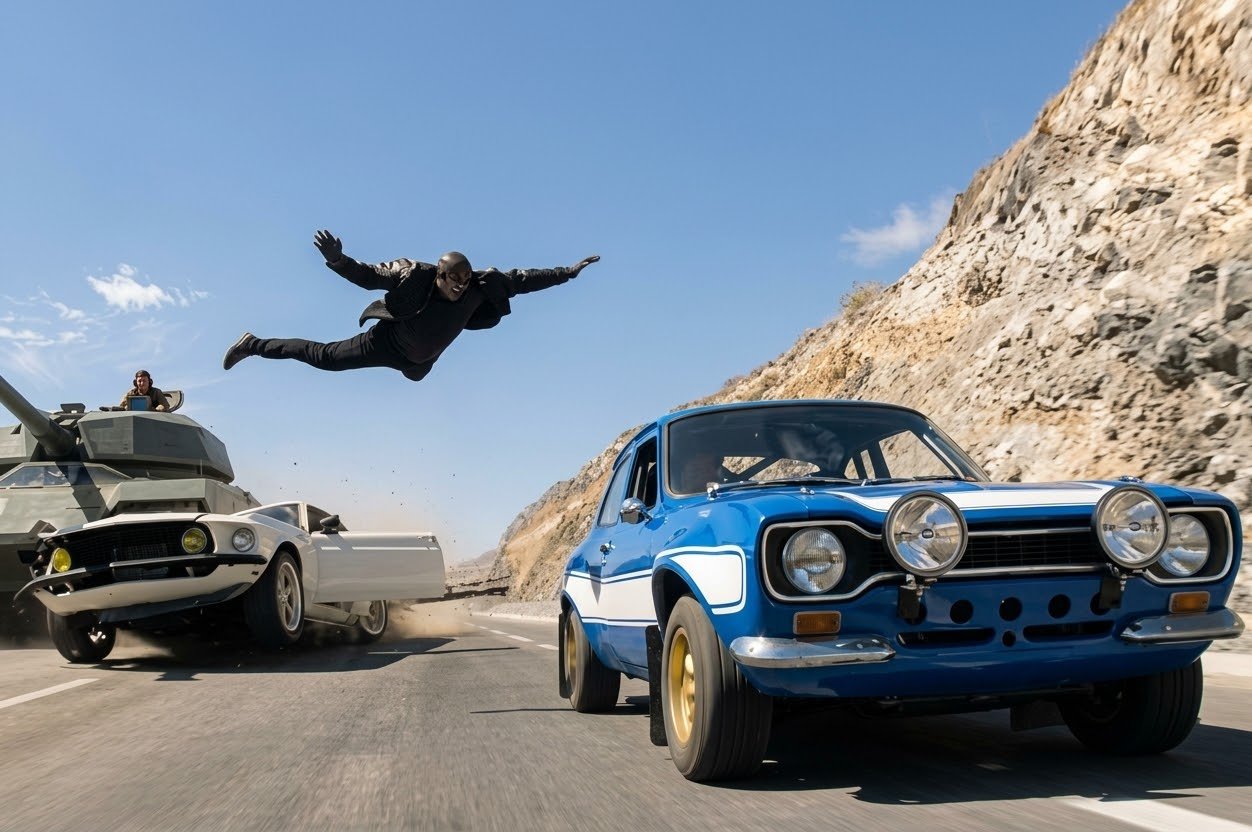
From James Bond’s Aston Martin to Dominic Toretto’s Dodge Charger, these films prove that a car can become just as iconic as the characters behind the wheel.
In Hollywood, cars are more than just transportation. They can become symbols of power, speed, personality, and even an entire movie franchise. Some manufacturers work directly with film studios, supplying vehicles for filming, developing special editions, or launching joint marketing campaigns. Others see their cars become cultural icons through memorable appearances on the big screen.
From high-speed action movies to science-fiction blockbusters, here are seven recognizable examples of how the automotive industry and the film world intersect.
1. JAMES BOND — ASTON MARTIN
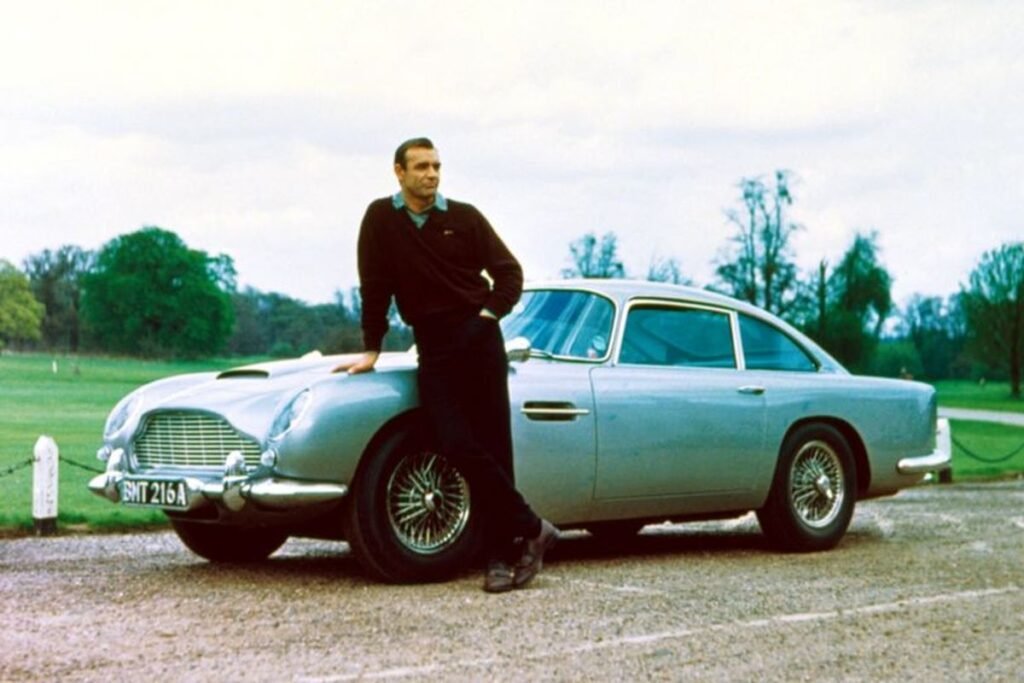
Few relationships between a car brand and a movie franchise are as recognizable as James Bond and Aston Martin.
The British secret agent’s association with the brand became legendary when the Aston Martin DB5 appeared in Goldfinger (1964). Equipped with fictional gadgets such as machine guns, an ejector seat, and a bullet-resistant rear shield, the DB5 helped establish the idea that a luxury sports car could be as memorable as its driver.
Over the decades, Aston Martin returned to the franchise with models including the V8 Vantage, Vanquish, DBS, and modern DB5 recreations.
The relationship demonstrates the power of cinematic product placement: a car can become permanently associated with a character, even decades after its original appearance.
2. FAST & FURIOUS — TOYOTA, NISSAN, MITSUBISHI, DODGE AND MORE
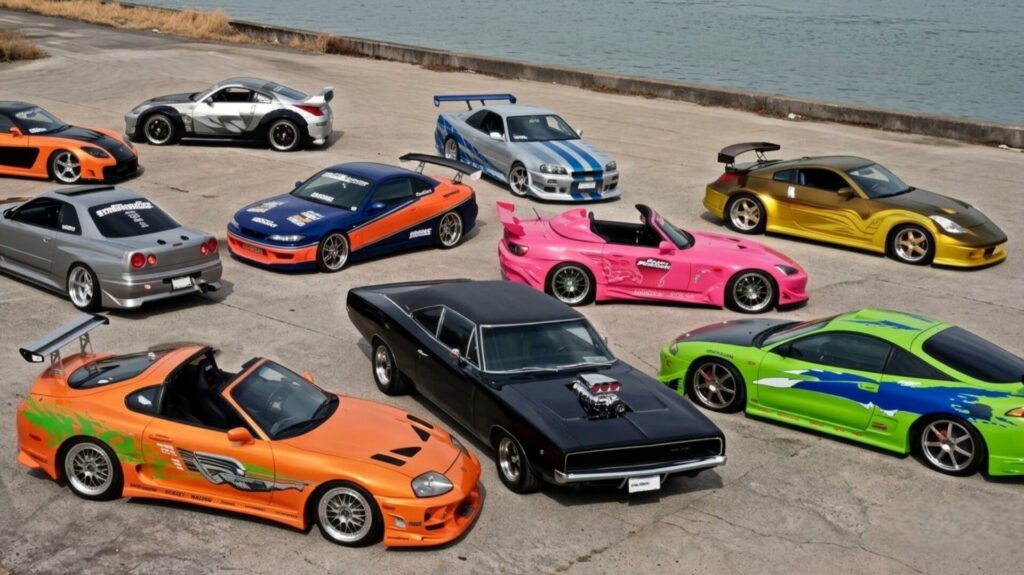
The Fast & Furious franchise turned modified street cars into global pop-culture icons. Rather than focusing on just one manufacturer, the films feature vehicles from numerous brands, reflecting the diversity of the tuning and street-racing scenes.
One of the most famous examples is Brian O’Conner’s orange 1994 Toyota Supra Mk IV from The Fast and the Furious (2001). The car became one of the franchise’s most recognizable machines and helped introduce a wider audience to the world of Japanese performance cars.
Other memorable vehicles include the Nissan Skyline GT-R R34, Mazda RX-7, Mitsubishi Lancer Evolution, and Dominic Toretto’s Dodge Charger.
Unlike a conventional single-brand partnership, the franchise’s automotive identity is built around a broad collection of manufacturers, performance parts, modifications, and enthusiast culture. Its influence has extended beyond cinema into the aftermarket industry and car collecting.
For many enthusiasts, these cars are no longer simply movie props. They are symbols of an era when modified Japanese sports cars became major players in global automotive culture.
3. TRANSFORMERS — CHEVROLET CAMARO
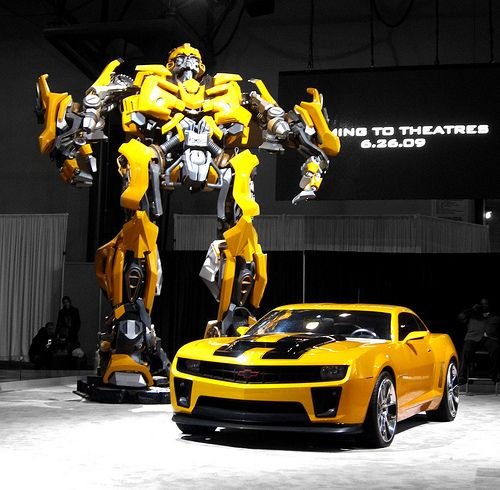
When Transformers arrived in 2007, Chevrolet’s Camaro became one of the film’s most recognizable stars by serving as the vehicle form of Bumblebee.
There was one particularly interesting detail: the fifth-generation Camaro had not yet reached normal production when the first movie was released. Its appearance as Bumblebee helped introduce the design to a worldwide audience before the production model went on sale.
The relationship subsequently expanded into special-edition Camaros inspired by the films. Chevrolet and Hasbro also worked together to bring Bumblebee-themed styling to vehicles customers could actually purchase.
For Chevrolet, the collaboration connected a revived American performance-car nameplate with a new generation of moviegoers. For Transformers, the Camaro became an integral part of Bumblebee’s identity.
It was a partnership in which a fictional robot helped give a real production car an unforgettable personality.
4. MISSION: IMPOSSIBLE — BMW
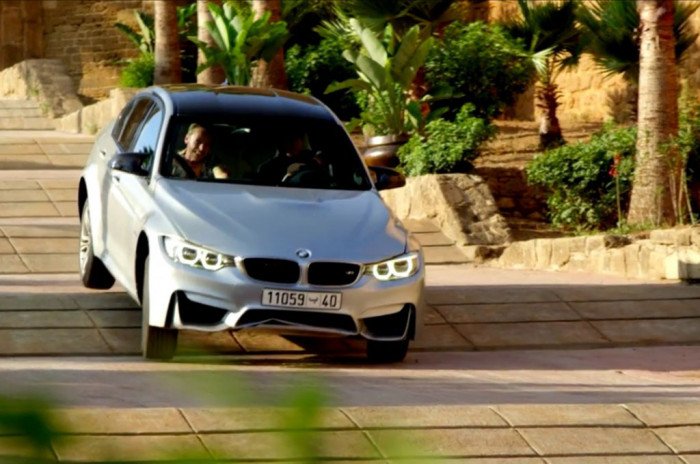
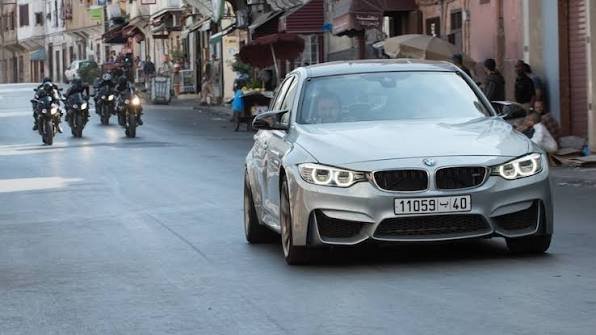
The Mission: Impossible franchise has featured a variety of vehicles, but BMW became a particularly prominent automotive partner beginning with Mission: Impossible – Ghost Protocol (2011).
The relationship continued with Rogue Nation (2015), which included a BMW M3 driving sequence, and Fallout (2018), where the BMW M5 played a major role in the action.
The collaboration went beyond simply placing cars in scenes. BMW supplied vehicles and supported promotional campaigns tied to the films’ releases, integrating its products into high-speed chases and stunt sequences.
The BMW M5, in particular, fits the franchise’s preference for vehicles that combine everyday usability with serious performance. It is a luxury sedan that can look perfectly ordinary in traffic before becoming the centrepiece of an elaborate chase.
The result is a marketing relationship in which the cars are part of the action rather than merely background decoration.
5. THE DARK KNIGHT — LAMBORGHINI
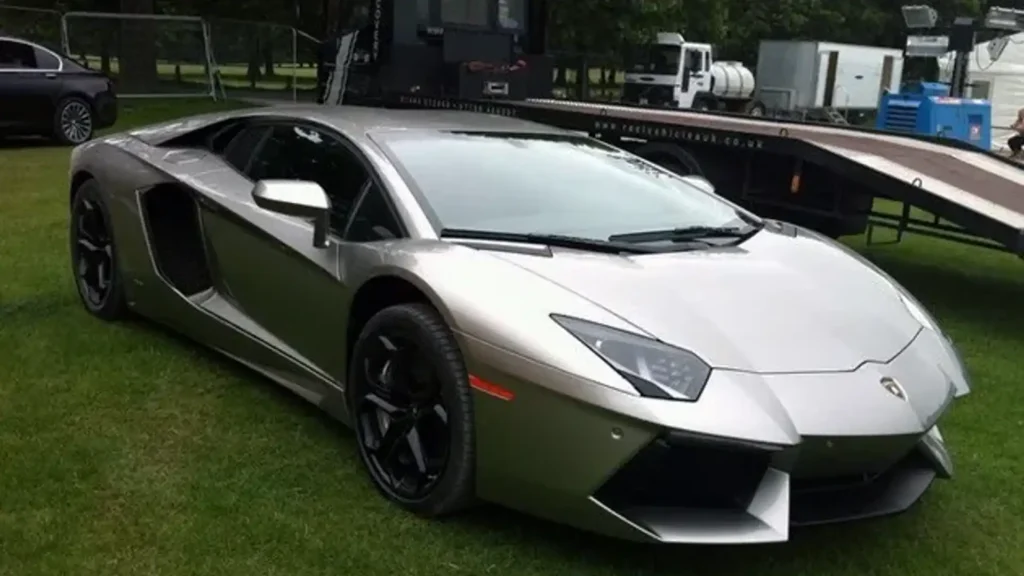
Batman has always had a distinctive automotive identity through the Batmobile, but Christopher Nolan’s The Dark Knight (2008) also gave Lamborghini a memorable role.
Bruce Wayne drives a Lamborghini Murciélago LP640, a production supercar that contrasts with the heavily modified Batmobile known as the Tumbler.
The choice fits Wayne’s public persona as a wealthy industrialist while giving the film a recognizable real-world performance car alongside its fictional technology.
Although the Murciélago is not Batman’s crime-fighting vehicle, its appearance reinforces the character’s extravagant lifestyle. Its dramatic styling and V12-powered performance also fit the visual language of a blockbuster built around one of Gotham City’s wealthiest residents.
Sometimes, a production supercar does not need to perform elaborate stunts to leave an impression. Simply putting the right car in the right scene can be enough.
6. BABY DRIVER — SUBARU
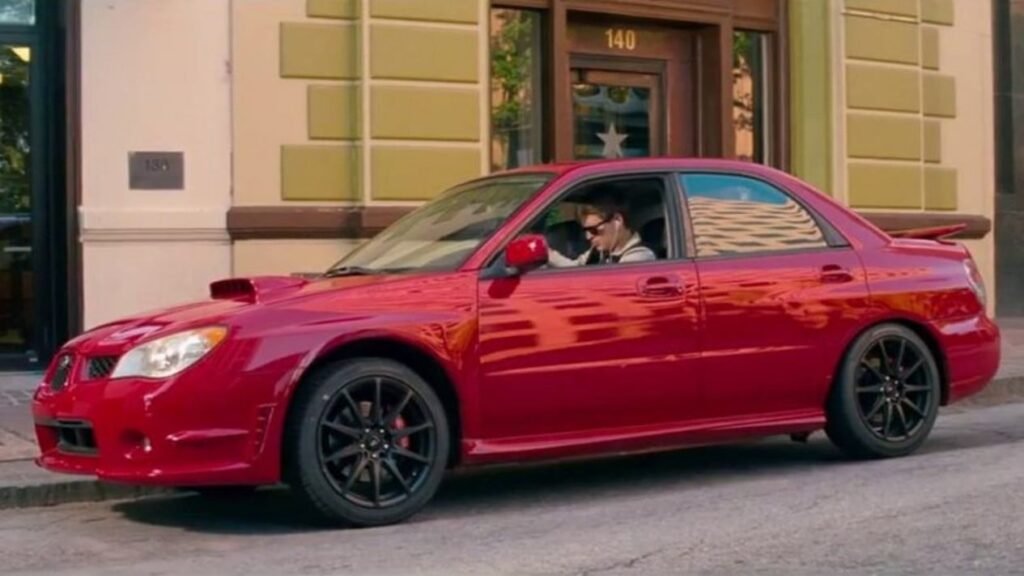
In Baby Driver (2017), cars are not simply props used in chase scenes. They are an essential part of the film’s identity, with driving sequences carefully synchronized to the soundtrack.
One of the movie’s most recognizable vehicles is the red 2006 Subaru Impreza WRX, driven by the main character, Baby, played by Ansel Elgort. The car is used in the opening getaway sequence, showcasing tight turns, rapid direction changes, and precision driving through city streets.
The WRX’s turbocharged engine and all-wheel-drive layout make it a natural fit for a story built around high-speed escapes. The production also used other vehicles throughout the film, including a Chevrolet Caprice associated with the getaway crew.
Unlike a conventional automotive advertising campaign, Baby Driver uses its cars to support the film’s distinctive visual rhythm and driving choreography. The Subaru’s appearance helped bring the WRX into the spotlight as a compact performance car capable of delivering excitement without the exotic price tag of a supercar.
The movie’s opening sequence is particularly memorable because the getaway is choreographed around music, traffic movements, and precise driving. Rather than relying entirely on explosions and destruction, the film makes vehicle control part of the entertainment.
The result is a movie in which the car and the soundtrack work together to create a signature cinematic experience.
7. THE TRANSPORTER — BMW AND AUDI
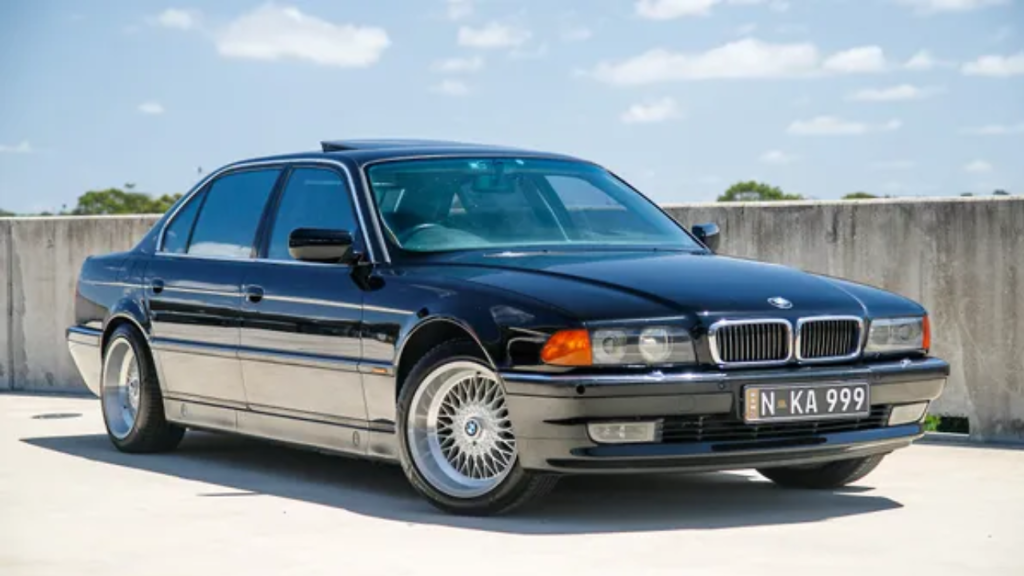
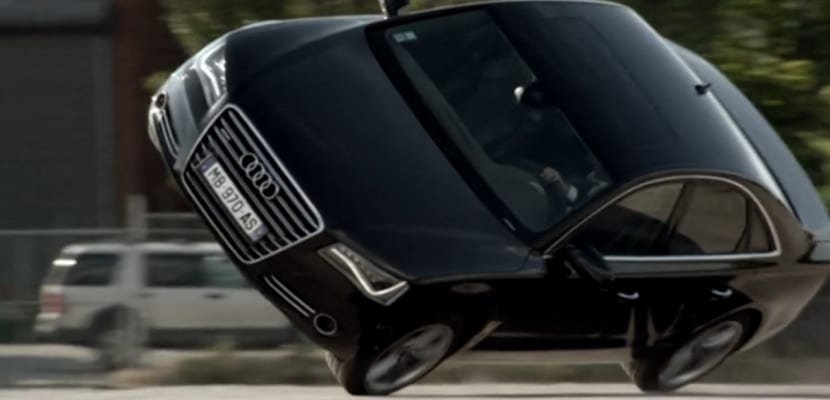
Few action franchises have built their identity around a professional driver as effectively as The Transporter. Starring Jason Statham as Frank Martin, the series follows a highly disciplined courier who transports people and valuable cargo under a strict set of rules.
The original The Transporter (2002) prominently features a black BMW 735i from the E38 generation, which Frank uses during the film’s opening sequence. The car’s understated appearance, powerful performance, and luxurious interior fit the character’s image: a professional who values precision, control, and discretion.
Unlike an exotic supercar that demands attention wherever it goes, the E38 looks like a sophisticated executive sedan. That understated character makes it a fitting choice for a driver whose job depends on preparation and professionalism.
The franchise’s automotive identity evolved in later films. In Transporter 2 (2005), Frank drives an Audi A8 W12, a luxury sedan equipped with a 6.0-litre W12 engine in its production specification.
The Audi’s combination of performance, comfort, and understated styling makes it a natural fit for the character. Its sophisticated appearance also contrasts with the increasingly elaborate stunts and dangerous situations Frank encounters.
The series features other vehicles and elaborate driving sequences, but the BMW E38 and Audi A8 remain two of its most recognizable automotive stars.
For BMW and Audi, these appearances associated their luxury sedans with European performance and sophistication. However, a car’s appearance in a film does not automatically mean that the manufacturer was an official commercial partner; product placement and formal promotional agreements are separate arrangements.
While Fast & Furious celebrates modified street cars and Mission: Impossible showcases high-profile action vehicles, The Transporter presents the performance sedan as a professional’s tool. It demonstrates that a car does not need an enormous rear wing or an exotic silhouette to look convincing in an action movie.
HOW AUTOMOTIVE PARTNERSHIPS WORK IN HOLLYWOOD
The relationship between automakers and film studios can take several forms. Understanding the difference is important because a car appearing in a movie does not necessarily mean the manufacturer helped finance or officially promote the production.
1. Official brand partnerships
A manufacturer and a film studio cooperate through an organized commercial relationship. This can involve promotional campaigns, vehicle supply, media appearances, and other marketing activities.
2. Vehicle supply and product placement
Automakers or vehicle suppliers may provide cars for filming. The vehicles can be prominently featured, but the precise commercial arrangements vary from one production to another.
3. Special-edition vehicles
Some collaborations result in road cars inspired by movie characters or vehicles. The Chevrolet Camaro’s Bumblebee-themed editions are an example of a fictional character influencing a real-world product.
4. Cars that become famous through cinema
Sometimes a vehicle becomes iconic simply because of its role in a film. Its appearance does not necessarily indicate a formal partnership, but the exposure can still influence public recognition and enthusiast interest.
WHEN A MOVIE CAR BECOMES BIGGER THAN THE MOVIE
The most successful movie-car relationships extend beyond the cinema. They can influence car culture, inspire modifications, create collector demand, and introduce entire generations of enthusiasts to particular models.
Aston Martin’s DB5 became inseparable from James Bond. The Toyota Supra gained a lasting place in popular culture through Fast & Furious. Chevrolet’s Camaro became Bumblebee’s recognizable vehicle form, while the Subaru Impreza WRX and BMW E38 became memorable parts of their respective films.
These examples also show that there is no single formula for creating an iconic movie car. Some vehicles are famous because of their fictional gadgets, others because of their performance, and some because of a perfectly executed chase sequence.
A car can be the hero’s signature machine, a symbol of wealth, a tool for escaping danger, or an essential part of a film’s visual identity.
What makes these automotive appearances interesting is that the relationship works in both directions. A famous car can make a movie more memorable, while a movie can turn a production model into a highly desirable collector’s item.
The Toyota Supra from The Fast and the Furious, Bumblebee’s Chevrolet Camaro, Baby’s Subaru WRX, and Frank Martin’s BMW and Audi demonstrate four different ways cars can become part of cinematic history.
For me, the most fascinating distinction is between a car chosen to represent a character and a car chosen to perform a specific role. James Bond’s Aston Martin communicates sophistication and technological fantasy, while Baby Driver makes precision driving part of its musical choreography. The Transporter, meanwhile, turns an executive sedan into a convincing action machine.
What do you think? Which movie-car combination is the most iconic in automotive history? Is it James Bond’s Aston Martin DB5, Brian O’Conner’s Toyota Supra, Bumblebee’s Chevrolet Camaro, Baby’s Subaru WRX, or Frank Martin’s BMW and Audi?
Let us know your choice in the comments!

Adhe is part of the 88 Eight Box Editorial Team, covering JDM culture, motorsport, automotive technology, and industry news. The team focuses on delivering original automotive stories, reviews, and insights for enthusiasts worldwide.