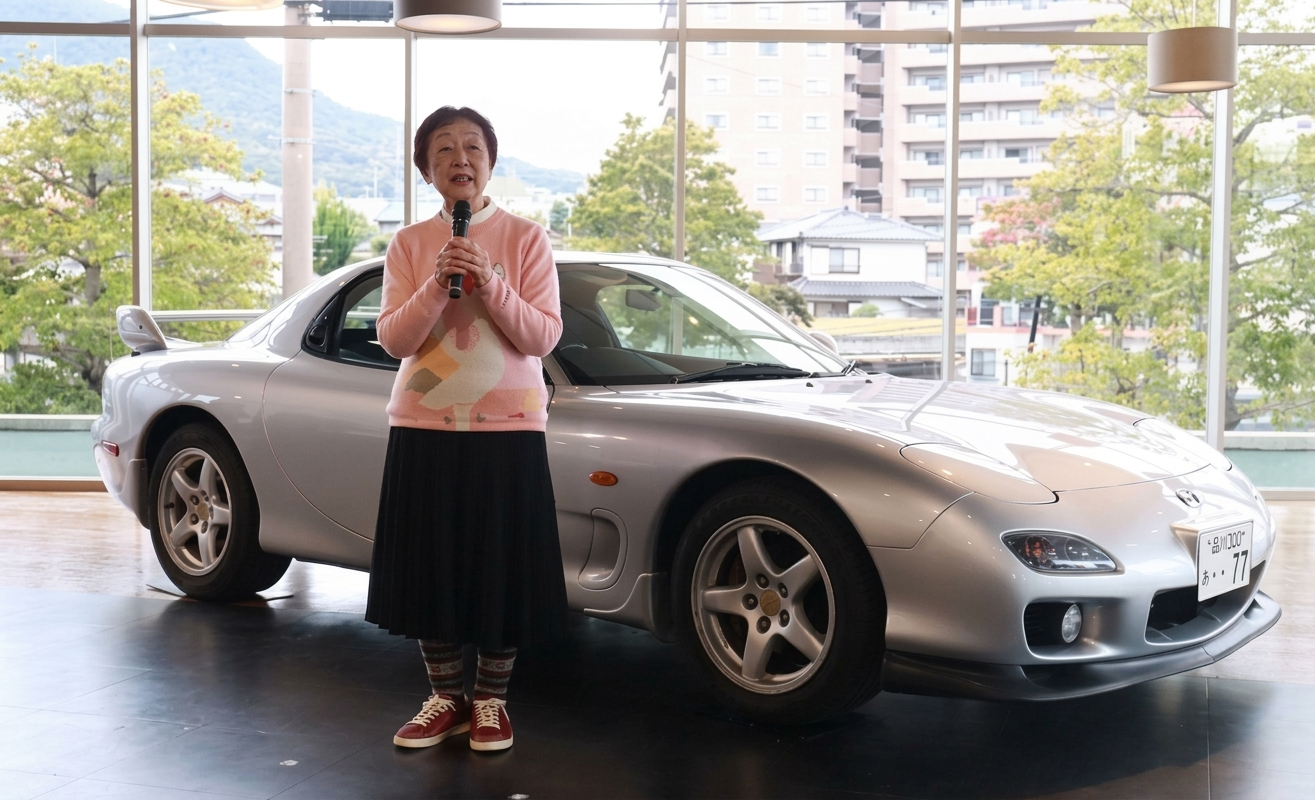
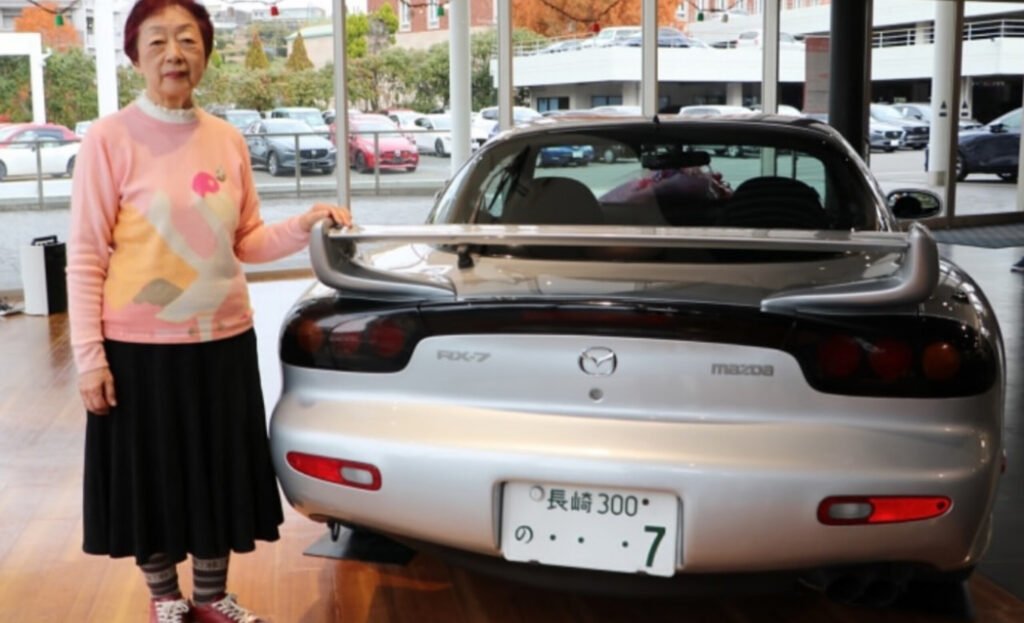
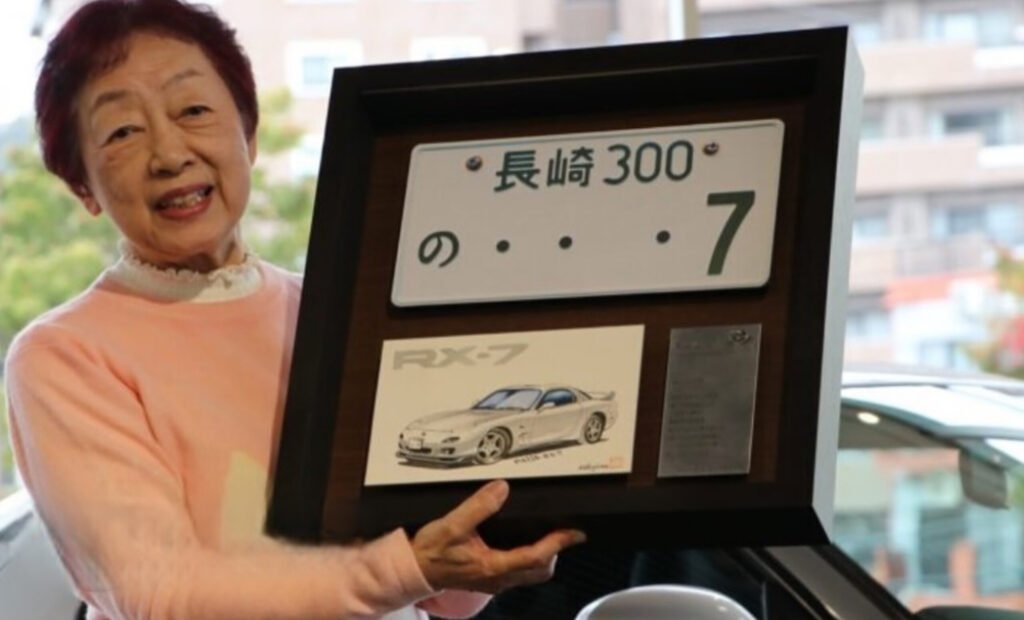
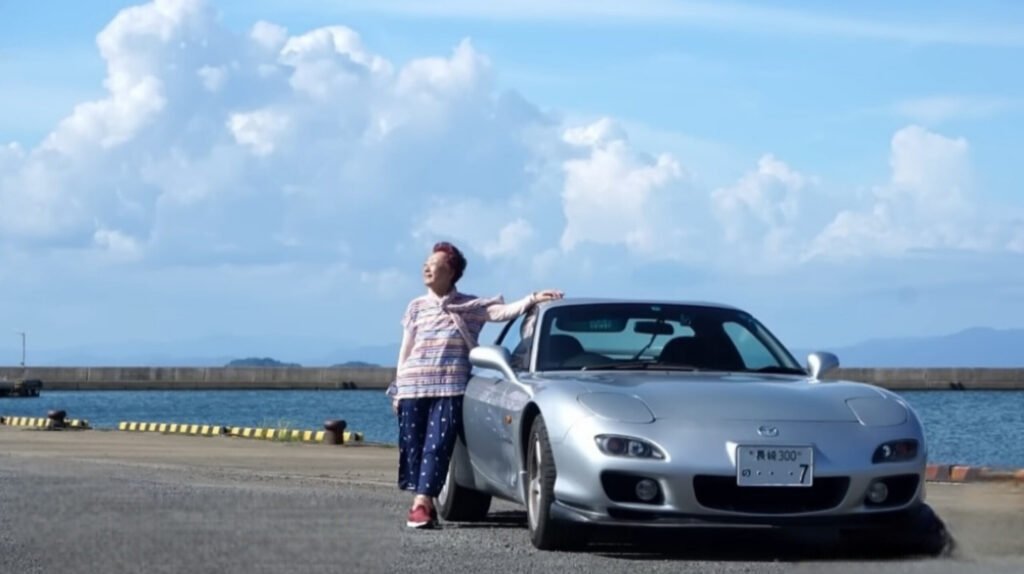
For some people, a car is simply a way to get from A to B. For Naoko Nishimoto, however, her silver Mazda RX-7 FD3S became something much more meaningful.
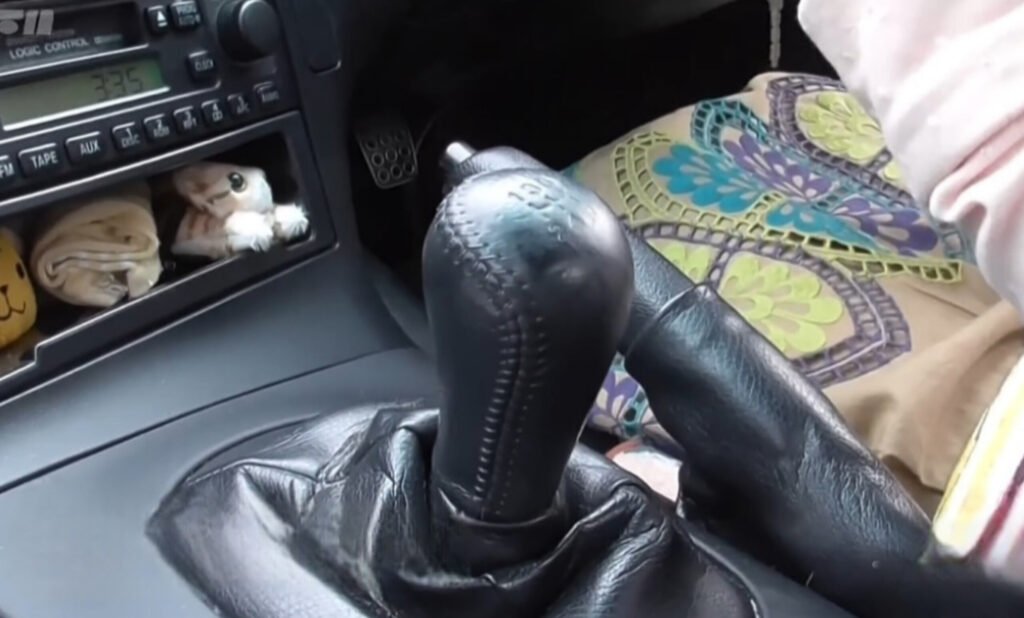
Nishimoto bought the manual-transmission RX-7 when she was 55 years old. For the next 25 years, she carefully maintained the rotary-powered sports car and continued to enjoy driving it well into her later years.
The RX-7 eventually became a familiar part of her life. It was not simply a machine sitting in her garage, but a companion that accompanied her through countless journeys and memories.
But at the age of 80, Nishimoto decided that it was time to stop driving.
She had already planned to voluntarily surrender her driving licence as she reached 80. Rather than keeping the RX-7 parked indefinitely or allowing it to deteriorate, she began thinking about what would happen to the car after she could no longer drive it.
Her answer was surprisingly simple: return it to Mazda.
Despite interest from numerous enthusiasts who wanted to take ownership of the legendary FD3S, Nishimoto chose to entrust her beloved RX-7 directly to its manufacturer.
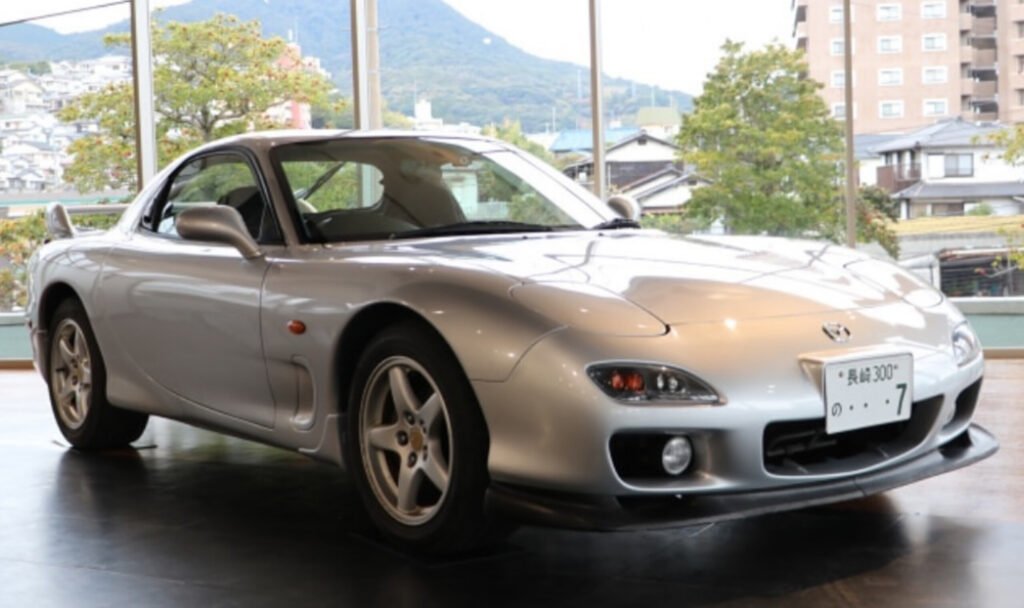
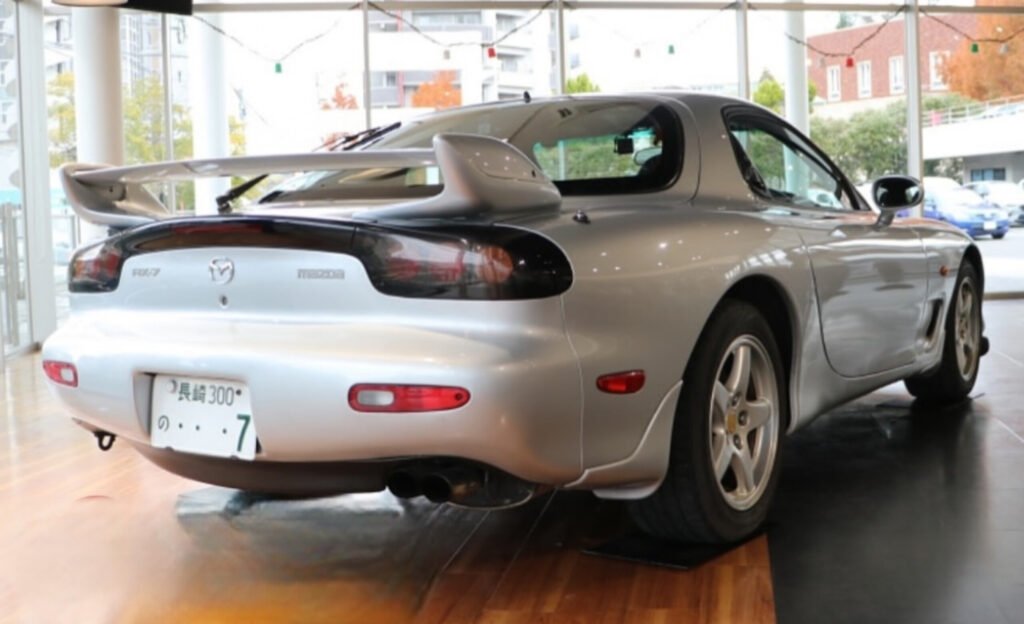
Mazda accepted the car and gave it a new purpose. Instead of disappearing into a private collection, the RX-7 was preserved and put to work as a Mazda publicity and heritage vehicle, allowing the company to share its story and the passion behind it with a new generation of enthusiasts.
The story became even more special when Nishimoto was eventually reunited with her RX-7.
After years of ownership, she was able to see and experience the car again, bringing back the familiar memories associated with its rotary engine and the countless kilometres they had travelled together.
MORE THAN JUST AN RX-7
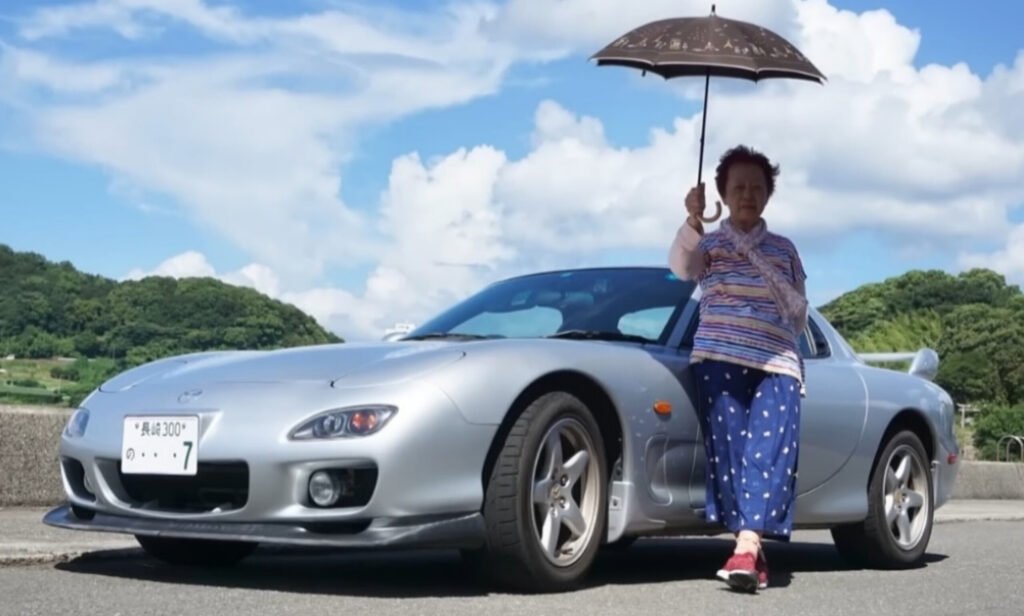
There is something particularly touching about Nishimoto’s story.
The FD3S is already one of the most celebrated Japanese sports cars ever built, but this particular example carries something that cannot be measured by horsepower, rarity or auction value.
It carries 25 years of memories.
For Nishimoto, giving up the RX-7 was not about losing interest in cars. Quite the opposite. She loved it enough to make sure that it would continue to be cared for after she could no longer drive it.
And that may be the most meaningful part of this story.
Sometimes, loving a car does not mean keeping it forever. Sometimes, it means making sure that it has a future even when you are no longer behind the wheel.
What do you think? Would you be able to give up a car you had owned and cared for for 25 years if it meant knowing that it would be properly preserved? Let us know your thoughts in the comments.

Adhe is part of the 88 Eight Box Editorial Team, covering JDM culture, motorsport, automotive technology, and industry news. The team focuses on delivering original automotive stories, reviews, and insights for enthusiasts worldwide.