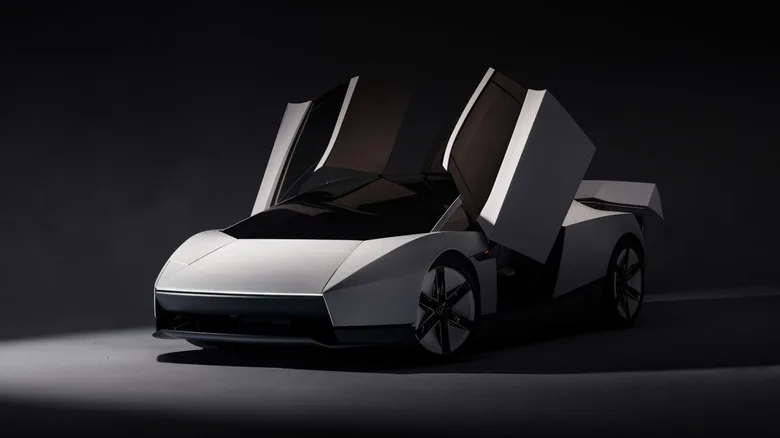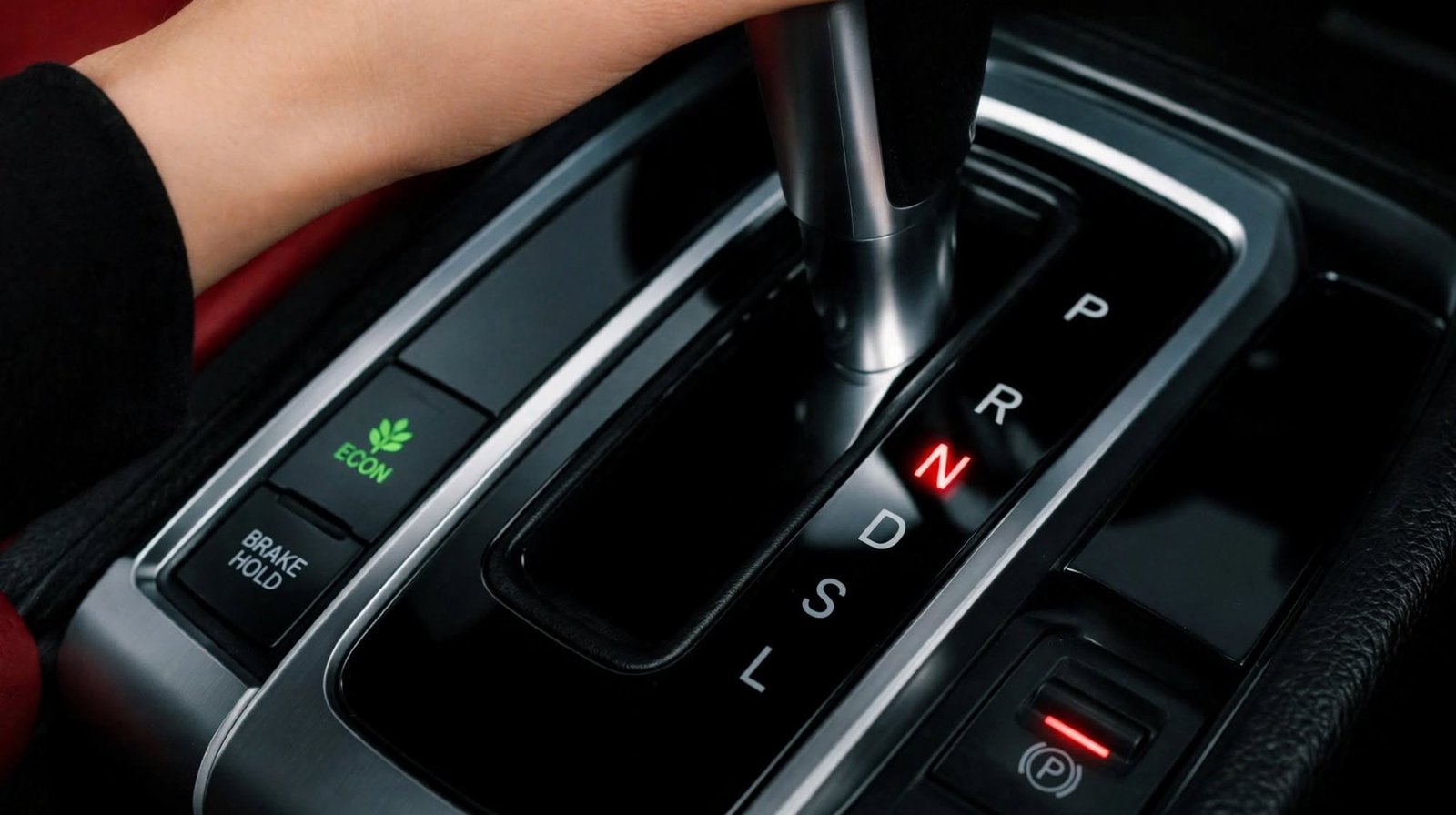
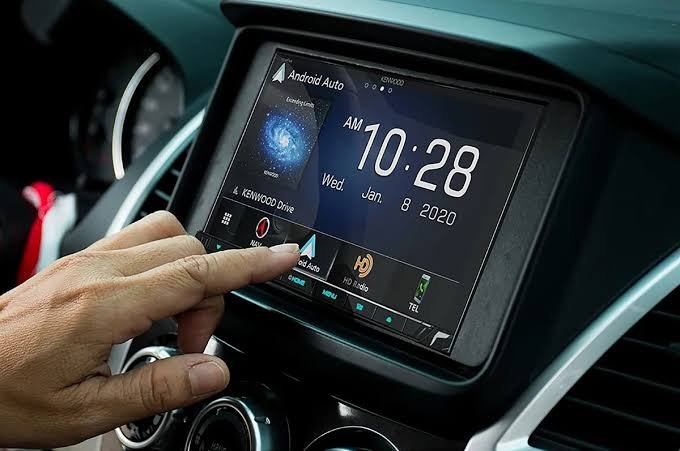
Today, almost every modern vehicle comes equipped with a large dashboard display capable of running navigation, streaming music, connecting to smartphones, and controlling various vehicle functions. However, before becoming the sophisticated technology center we know today, the car head unit went through nearly a century of evolution.
From simple AM radios to artificial intelligence-powered infotainment systems, the history of the head unit reflects how the automotive industry has adapted to changing technology and human lifestyles.
The Beginning: When Radio Entered the Automobile
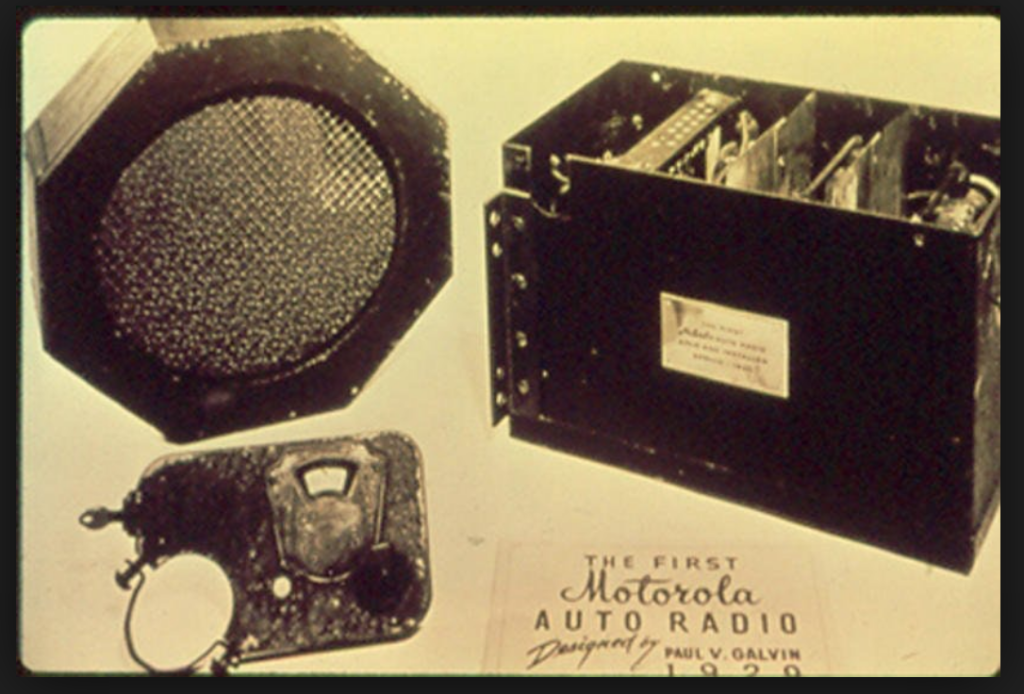
Before the invention of modern head units, cars had simple dashboards with no entertainment systems. The biggest transformation began in the 1930s when radio technology started making its way into vehicles.
One of the pioneers of car radio technology was Motorola, originally known as Galvin Manufacturing Corporation. In 1930, the company introduced the Motorola 5T71, one of the earliest commercial car radios that allowed drivers to listen to radio broadcasts while on the road.
However, early car radios were expensive and had many limitations. They required large components, consumed significant electrical power, and installation was complicated.
By the 1950s, car radios became increasingly popular. Automakers began offering them as optional equipment rather than just aftermarket accessories.
The FM Revolution and the Birth of Stereo Sound
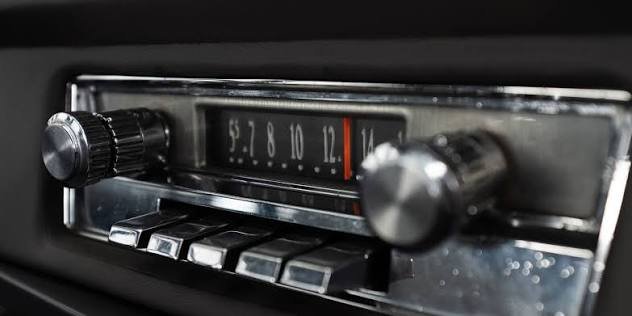
During the 1960s, car audio technology entered a new era. FM radio began replacing AM broadcasts because it provided clearer sound quality and less interference.
This period also introduced stereo audio systems, allowing sound to be separated into left and right channels. For drivers, this created a much more immersive listening experience compared to traditional mono audio.
But the biggest revolution came when drivers were no longer limited to radio broadcasts.
The Cassette Era: Freedom to Choose Your Music
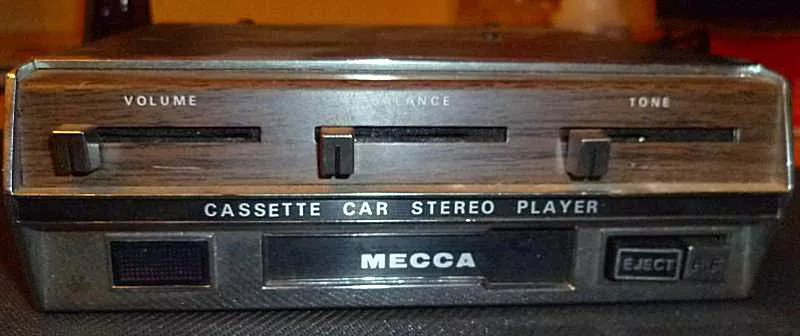
The 1970s marked the golden age of cassette players. Although 8-track systems were briefly popular, the compact cassette format eventually became the dominant choice because it was smaller, cheaper, and more practical.
For the first time, drivers could choose exactly what they wanted to listen to. They no longer had to wait for their favorite songs to appear on the radio.
During the 1980s and 1990s, cassette players became standard equipment in many vehicles. The era also created a new culture of making personal mixtapes, allowing people to create custom soundtracks for their journeys.
Companies such as Pioneer Corporation, Alpine Electronics, and Kenwood Corporation became major names in the car audio industry.
The CD Revolution
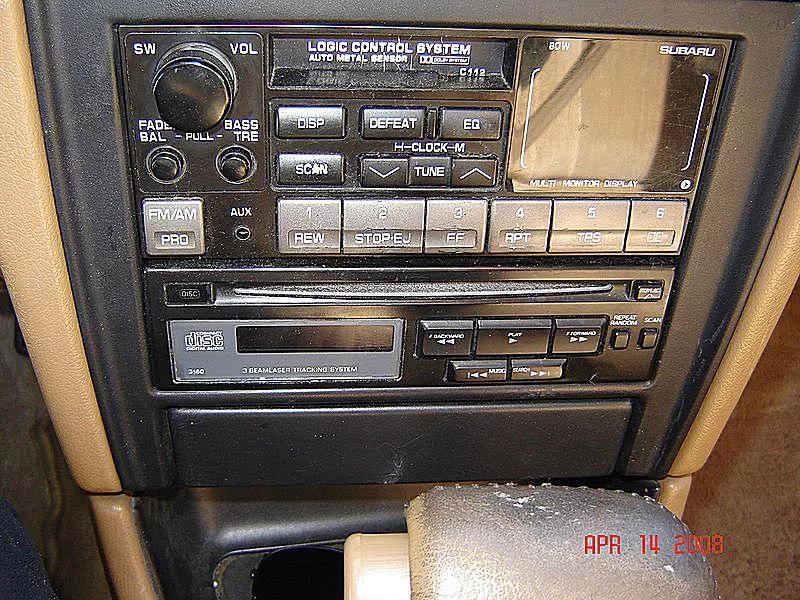
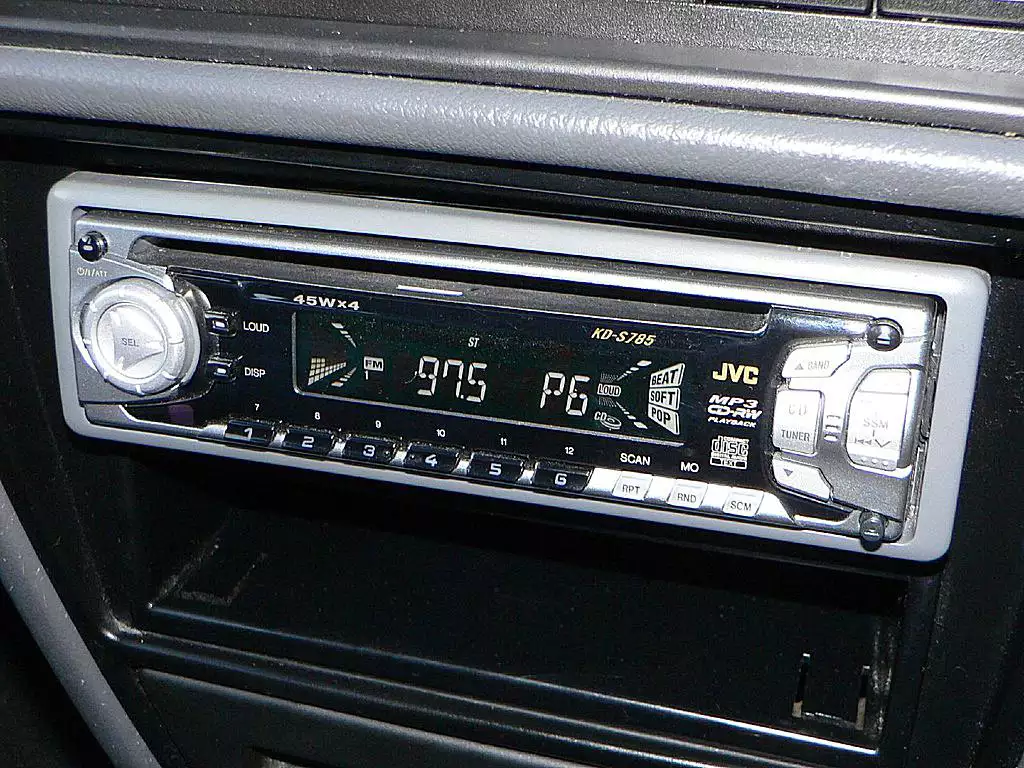
By the mid-1990s, compact discs began replacing cassette tapes in car audio systems.
CDs offered several advantages: cleaner digital sound, better durability, and the ability to store more music compared to traditional tapes.
Luxury vehicles began offering CD changers, allowing drivers to carry multiple discs and switch between albums without manually replacing them.
This era also fueled the growth of aftermarket car audio modifications, with enthusiasts upgrading their systems using more powerful amplifiers, advanced equalizers, and larger displays.
The Digital Age: MP3, USB, and Bluetooth
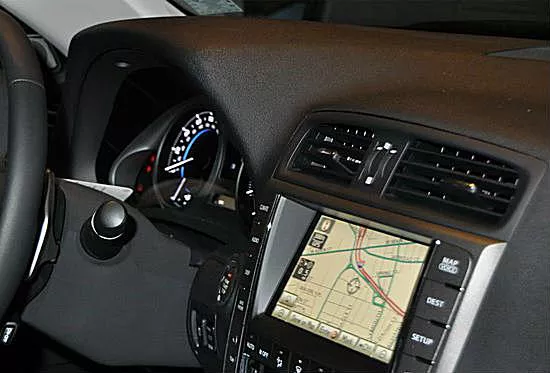
The early 2000s brought another major transformation. Digital music formats such as MP3 changed the way people stored and listened to music.
Car head units began adopting:
- USB connectivity
- Memory card slots
- Bluetooth audio streaming
- MP3 playback
- GPS
Thousands of songs could now fit inside a small portable device.
Bluetooth also expanded the role of the head unit. It was no longer only an entertainment device but also became a communication tool through hands-free calling.
The Rise of Modern Infotainment Systems
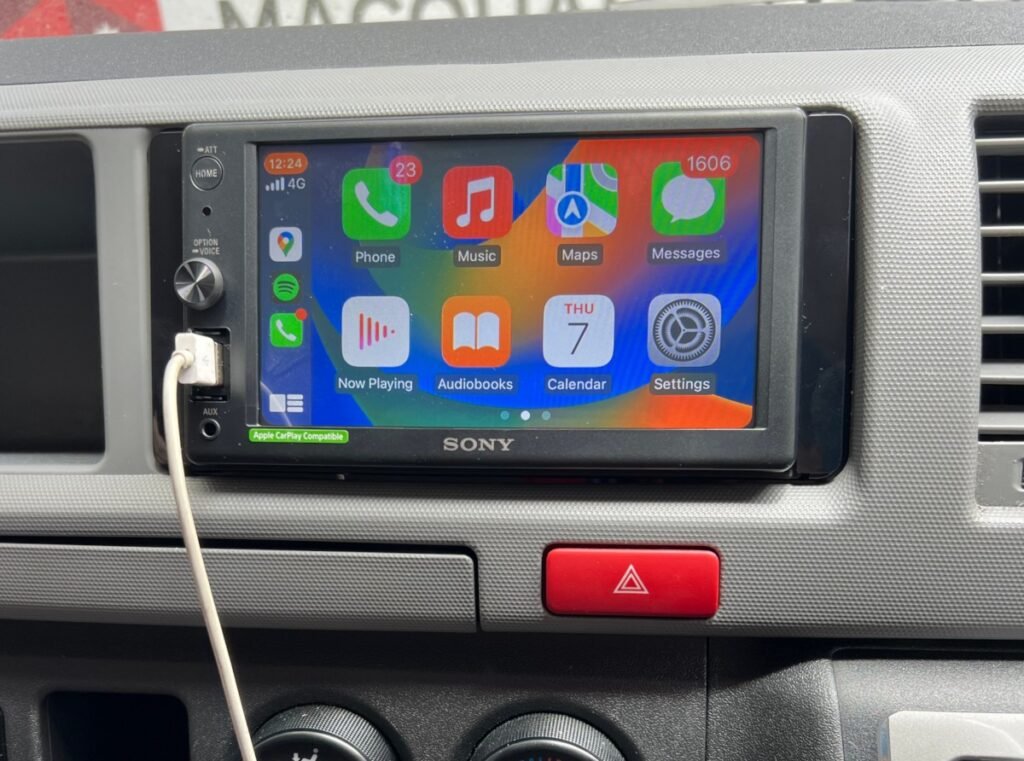
Entering the 2010s, the traditional head unit evolved into what we now call an infotainment system.
Touchscreens replaced many physical buttons. GPS navigation became common, while smartphone integration through Apple CarPlay and Google Android Auto connected vehicles directly with the digital world.
Modern infotainment systems can now:
- Provide real-time navigation
- Control vehicle settings
- Display 360-degree camera views
- Adjust climate controls
- Monitor energy consumption
- Support voice commands
In electric vehicles, the infotainment system has become even more important because many vehicle functions are controlled through software.
The Future: AI-Powered Car Interfaces
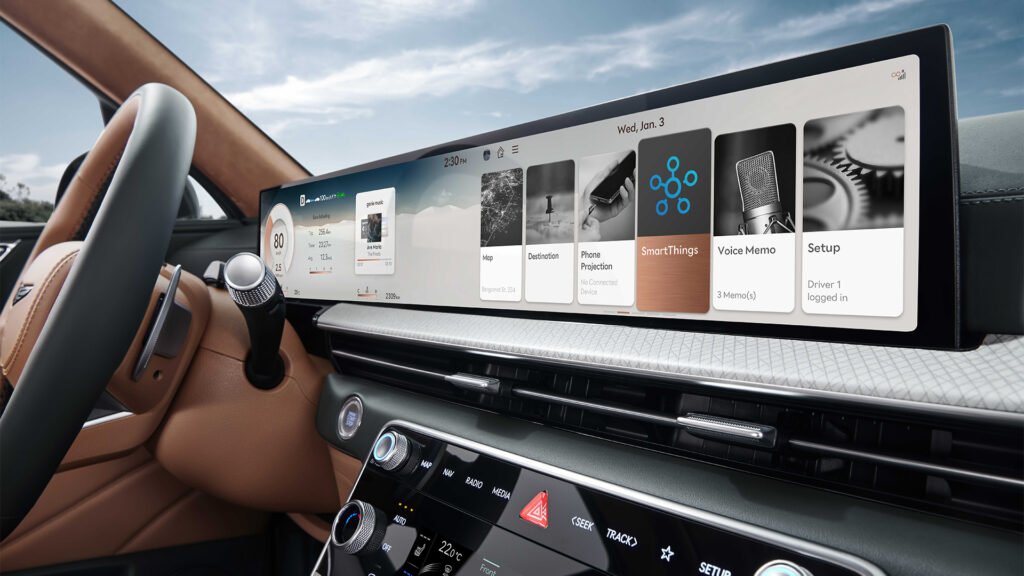
Today, the next stage of head unit development is moving toward artificial intelligence and smarter digital cockpits.
Manufacturers are developing systems capable of learning driver preferences, suggesting routes, adjusting cabin settings automatically, and interacting through voice-based assistants.
Large displays are becoming more integrated, combining traditional instrument clusters with entertainment and vehicle controls in a single interface.
Some modern vehicles are even reducing physical buttons and relying more on touch controls and voice commands.
The evolution of the car head unit proves that vehicles are no longer just machines designed to move people from one place to another. They have become digital environments that continue to evolve alongside technology.
Decades ago, the most advanced feature in a car might have been an AM radio or cassette player. Today, a vehicle can function as a communication hub, navigation system, entertainment center, and even a computer on wheels.
However, the biggest challenge for the future will be finding the right balance between technology and usability. Bigger screens and more features may look impressive, but drivers still need systems that are simple, intuitive, and safe to use while driving.
What do you think? Are modern cars becoming too dependent on touchscreen displays, or are smart infotainment systems truly the future of automobiles? Share your thoughts in the comments.

Adhe is part of the 88 Eight Box Editorial Team, covering JDM culture, motorsport, automotive technology, and industry news. The team focuses on delivering original automotive stories, reviews, and insights for enthusiasts worldwide.