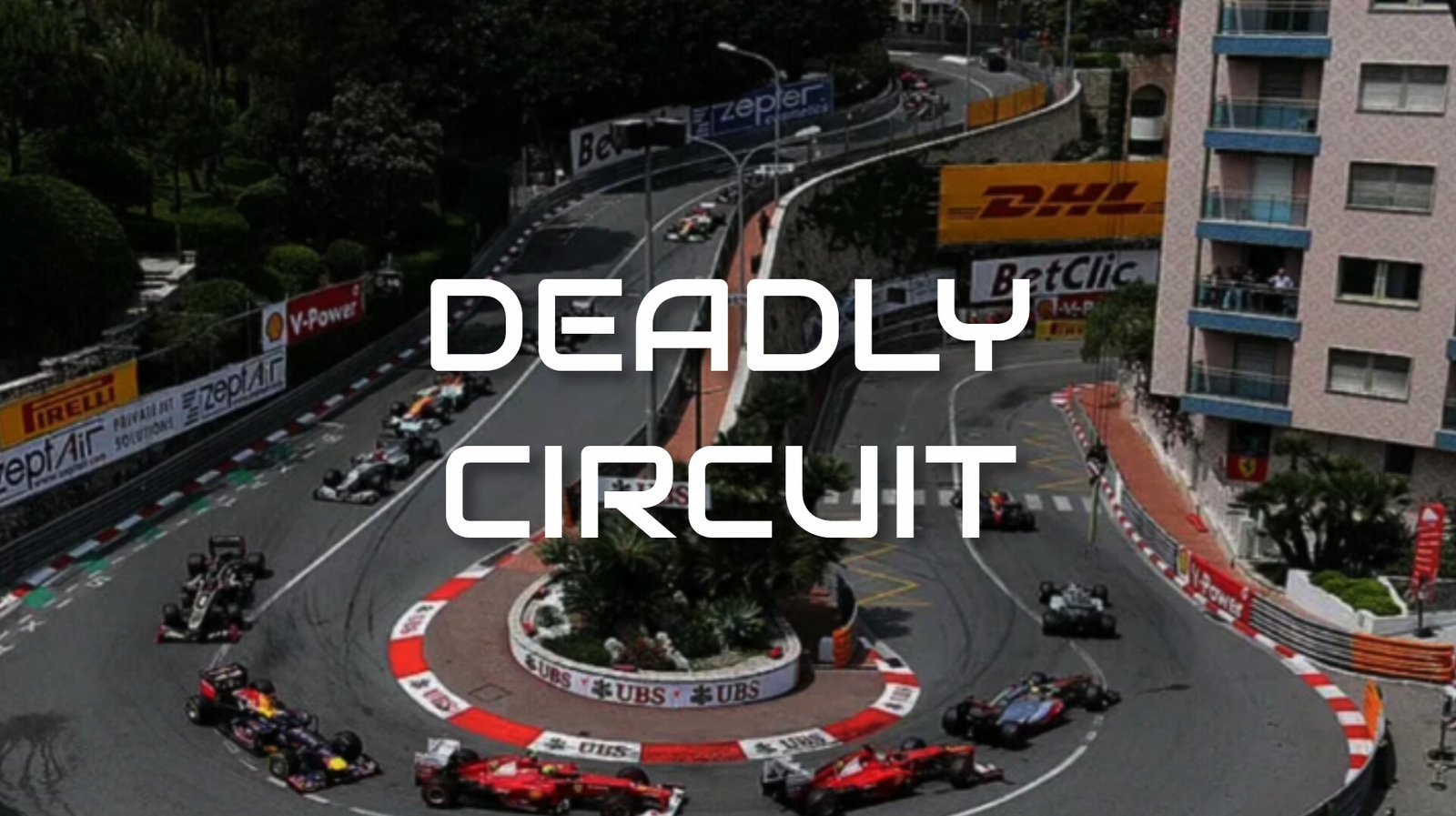
Formula 1 has always represented the ultimate combination of speed, technology, and human courage. But before modern safety standards transformed the sport, some F1 circuits were considered extremely dangerous places where every race carried a serious risk.
High-speed corners, limited run-off areas, poor track protection, and early-generation race cars made these circuits a true battle between the driver and the track itself.
Here are some of the most dangerous and deadliest Formula 1 circuits in history.
1. Nürburgring Nordschleife — The Green Hell
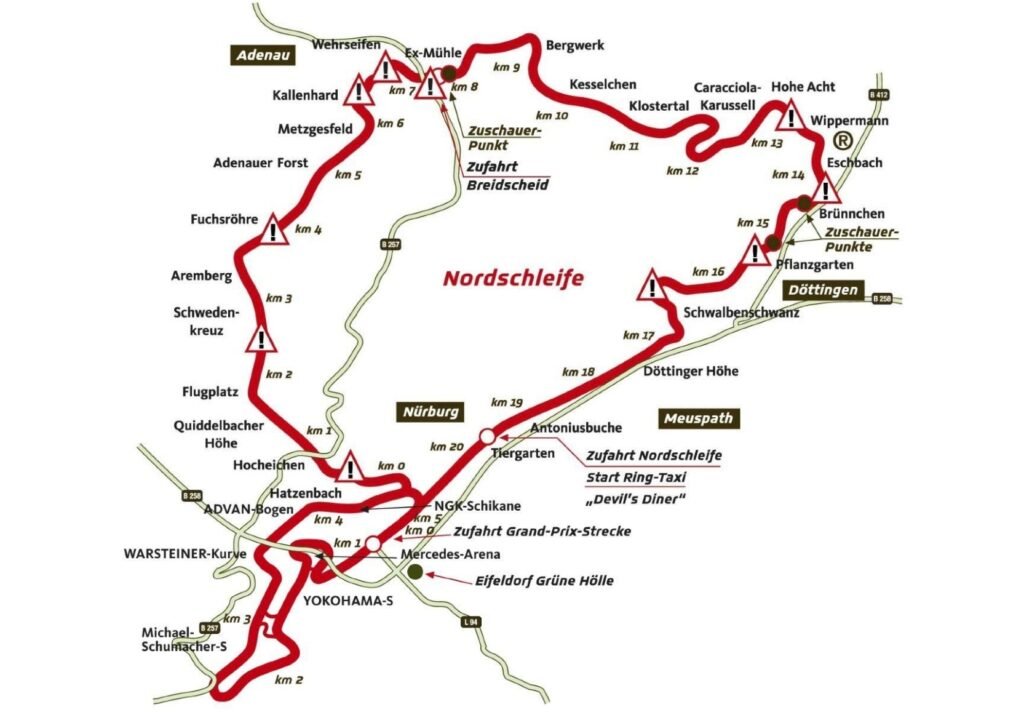
Length: 22.8 km (classic F1 layout)
F1 Era: 1951–1976
Nickname: The Green Hell
No circuit in Formula 1 history was feared more than the Nürburgring Nordschleife.
Hidden deep inside Germany’s Eifel mountains, the legendary track was a nightmare combination of:
- More than 170 corners
- Extreme elevation changes
- Narrow sections through forests
- Blind corners
- Almost no room for mistakes
During the 1960s and 1970s, Formula 1 cars were becoming faster and more powerful, but safety technology was still far behind. A mistake at Nürburgring could easily become a life-threatening accident.
The most famous incident happened during the 1976 German Grand Prix, when Niki Lauda suffered a horrific crash at the Bergwerk section. His Ferrari caught fire, leaving him with severe burns and life-threatening injuries.
Lauda’s survival became one of the most remarkable stories in motorsport history, but the accident also raised serious questions about whether the Nordschleife was still suitable for Formula 1.
2. Monza — The Temple of Speed
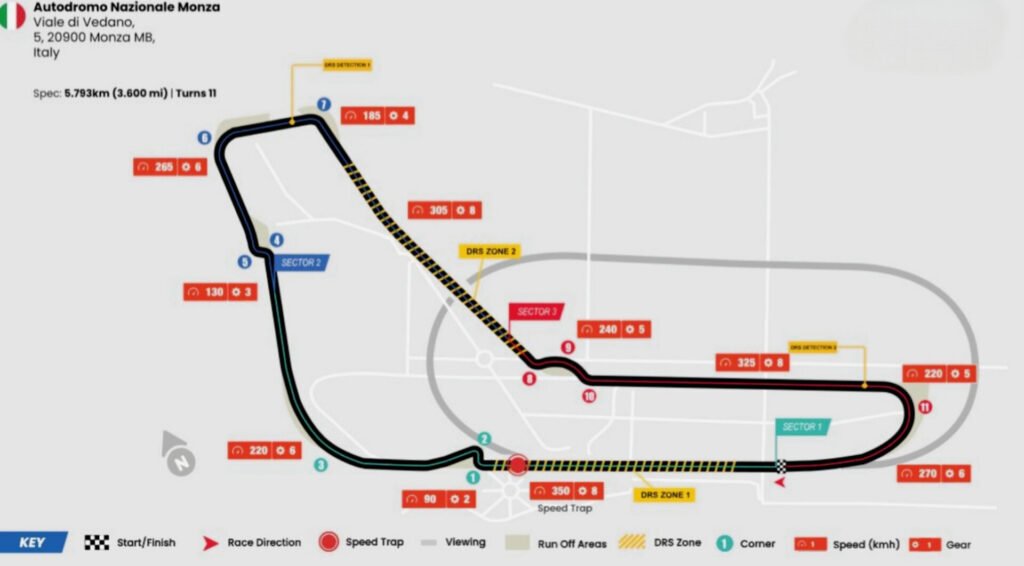
Length: 10 km (historic layout with banking)
Most dangerous era: 1950s–1960s
Autodromo Nazionale Monza is famous today as the fastest circuit on the F1 calendar, but its older layout was one of the most dangerous tracks ever used.
The classic Monza combined a road course with a high-speed oval section featuring steep banking. Drivers were pushed to incredible speeds with very little protection.
The dangers came from:
- Extremely high speeds
- Long flat-out sections
- Close racing with little margin for error
- Limited safety barriers
One of the darkest moments came at the 1961 Italian Grand Prix, when Wolfgang von Trips was killed in a crash at Parabolica, along with several spectators.
The tragedy changed the way Formula 1 looked at safety and circuit design.
3. Spa-Francorchamps — The High-Speed Monster
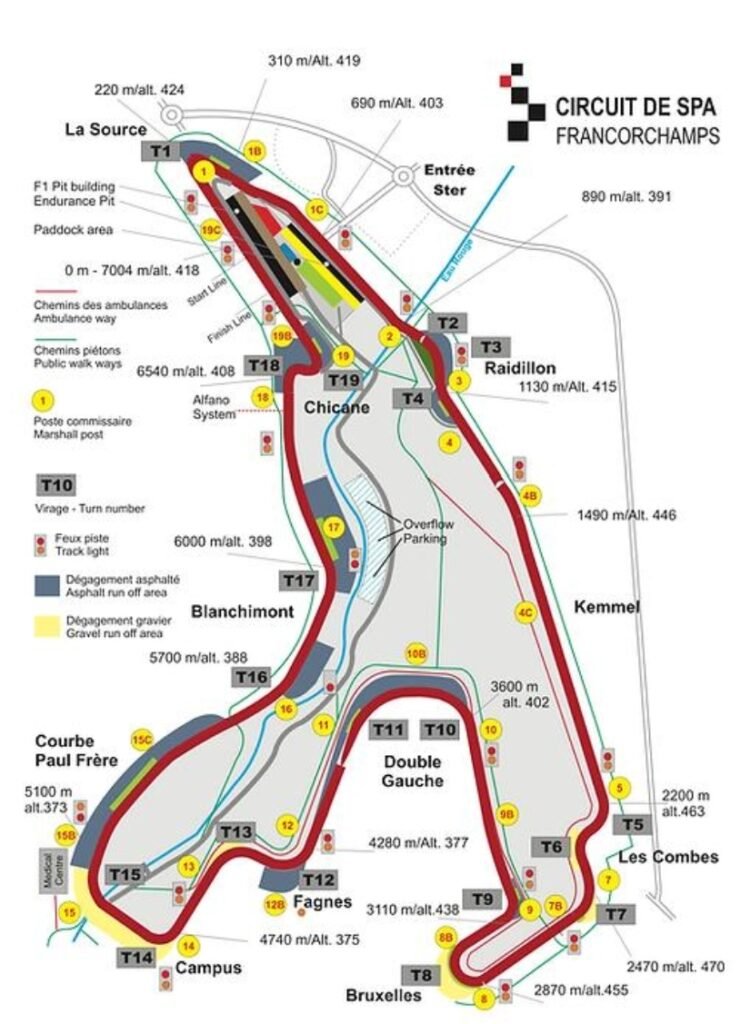
Historic length: Around 14 km
Location: Belgium
Before modern modifications, Circuit de Spa-Francorchamps was one of the most frightening tracks in the world.
The old Spa was basically a high-speed road course surrounded by:
- Forests
- Houses
- Utility poles
- Stone walls
- Very limited protection
Drivers were forced to attack corners at incredible speeds while dealing with unpredictable weather conditions.
The famous Eau Rouge section became a symbol of bravery, where drivers pushed through a blind uphill corner at extreme speed.
Many serious accidents occurred at Spa throughout its history, especially before modern safety improvements were introduced.
4. Imola — The Dark Weekend of 1994
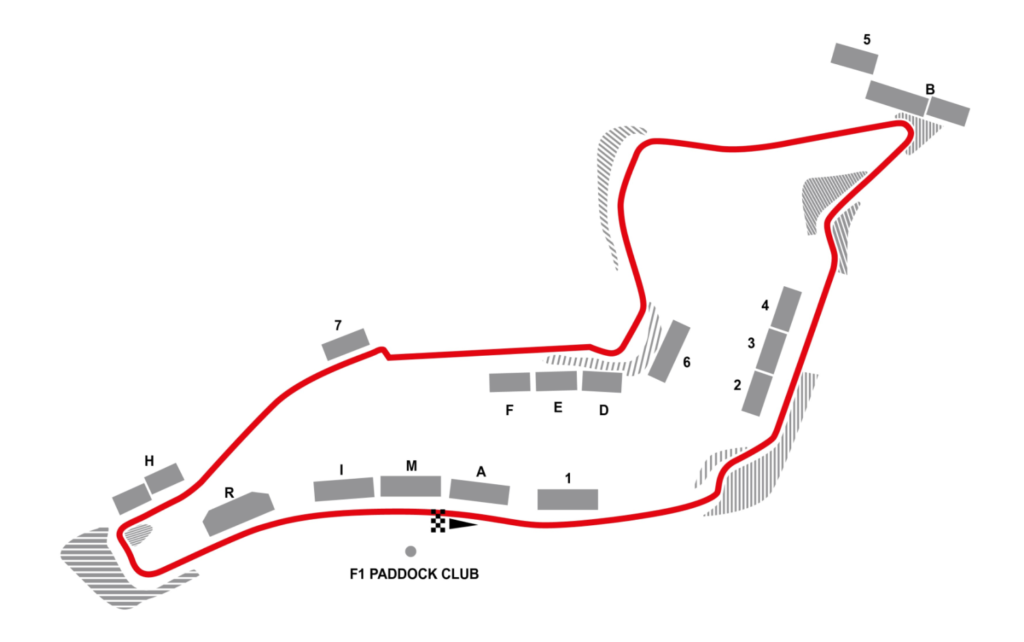
Length: 4.909 km
Location: Italy
Autodromo Enzo e Dino Ferrari became forever linked with one of the darkest weekends in Formula 1 history.
During the 1994 San Marino Grand Prix, Formula 1 experienced a tragic turning point:
- Roland Ratzenberger died during qualifying.
- Ayrton Senna lost his life after crashing at the Tamburello corner.
Senna’s death changed Formula 1 forever and triggered major safety improvements, including:
- Stronger car structures
- Better cockpit protection
- Improved crash barriers
- Larger run-off areas
- Stricter FIA safety regulations
5. Monaco — The Ultimate Precision Challenge
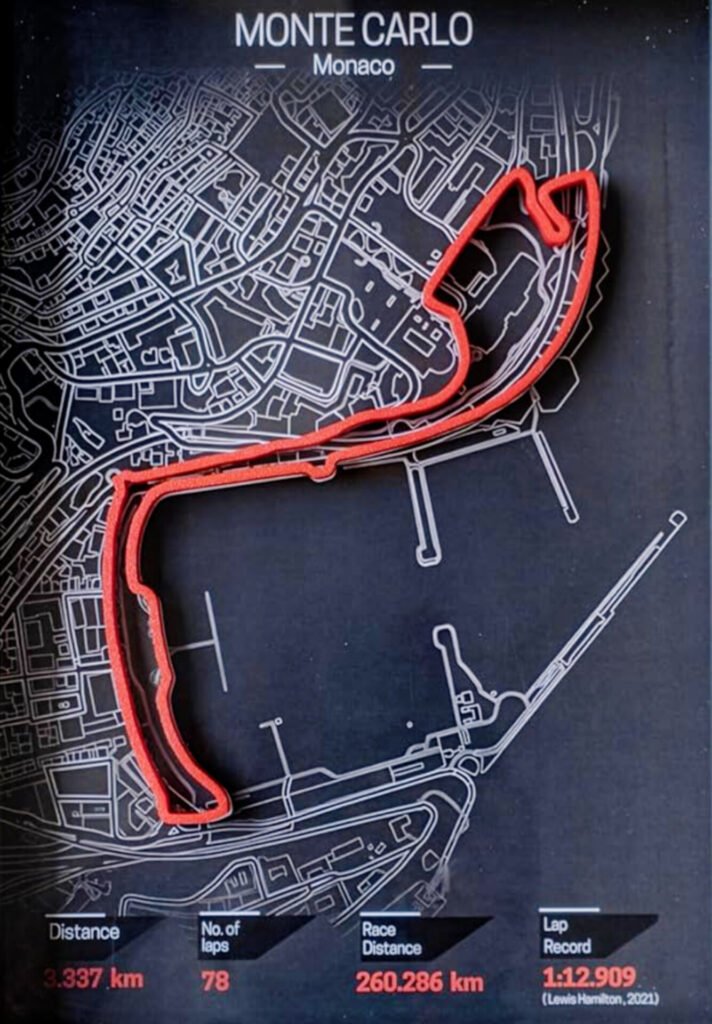
Length: 3.337 km
Location: Monte Carlo
Circuit de Monaco is not the fastest circuit, but it remains one of the most demanding.
The danger comes from the lack of space:
- Narrow streets
- Concrete walls inches away from the car
- No room for mistakes
- Extreme mental pressure
Sections like Casino Square, the Swimming Pool complex, and the Tunnel require absolute precision.
At Monaco, a small error does not usually mean losing time — it can mean hitting the wall.
Ranking: The Most Dangerous F1 Tracks in History
| Rank | Circuit | Main Danger |
|---|---|---|
| 🥇 Nürburgring Nordschleife | Extreme length, blind corners, unpredictable conditions | |
| 🥈 Monza (Historic Layout) | Massive speeds and dangerous banking | |
| 🥉 Spa-Francorchamps (Old Layout) | High-speed road racing with little protection | |
| 4 | Imola | Historic tragedies and safety turning point |
| 5 | Monaco | No room for mistakes |
Final Verdict
If we look at the combination of history, difficulty, and danger, the Nürburgring Nordschleife remains the deadliest F1 track ever created.
It was not only a racing circuit — it was a survival challenge.
Drivers were not just fighting against their rivals. They were fighting against:
- The weather
- The machine
- The track
- And their own limits
In the golden era of Formula 1, victory was not only about being the fastest. Sometimes, it was simply about making it to the finish line alive.

Adhe is part of the 88 Eight Box Editorial Team, covering JDM culture, motorsport, automotive technology, and industry news. The team focuses on delivering original automotive stories, reviews, and insights for enthusiasts worldwide.