Have you ever opened the door of a black car after it has been sitting under the afternoon sun and felt like you just opened an oven?
It is not your imagination. The color of a car can influence how much solar radiation its body absorbs, which in turn affects surface temperatures and, to a lesser extent, how quickly the cabin heats up.
The basic science behind it comes down to albedo, the amount of solar radiation a surface reflects rather than absorbs.
In simple terms, darker surfaces generally absorb more of the sun’s energy, while lighter surfaces reflect more of it. That means the color of your car can make a measurable difference when it is parked under direct sunlight.
Dark Cars Absorb More Solar Energy
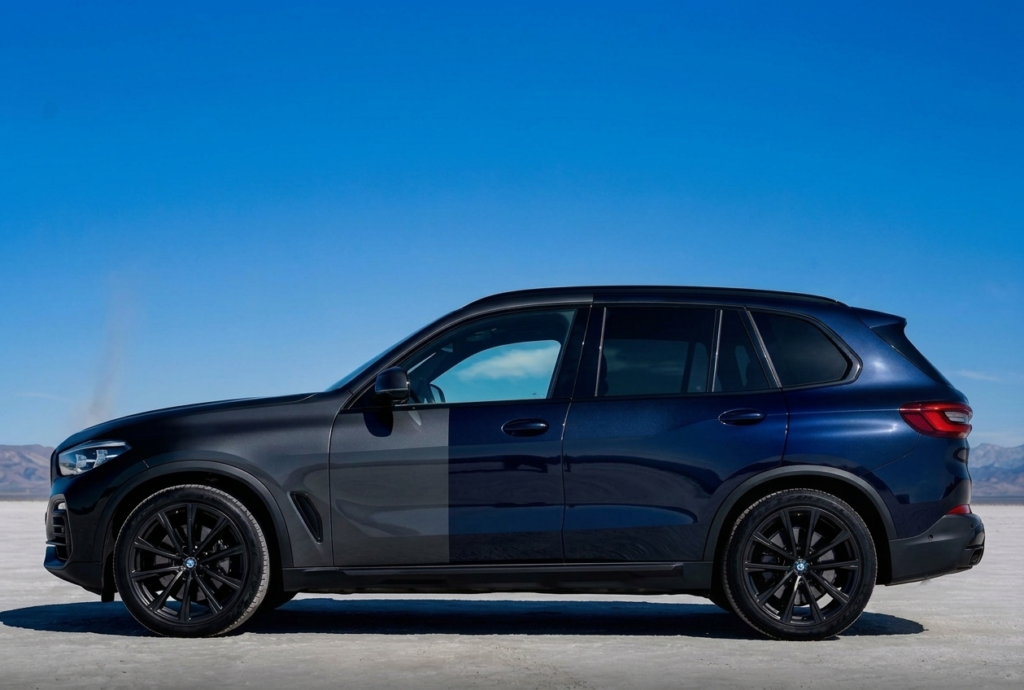
Black, dark blue, dark gray and other deep colors tend to absorb a large portion of the solar radiation that hits the vehicle.
Some estimates put the absorption of dark surfaces at around 80–90 percent of incoming solar radiation, with the absorbed energy converted into heat.
That is why a black car can become extremely hot to the touch after sitting in the sun. The paint heats up, and some of that heat is subsequently transferred into the vehicle’s structure and cabin.
It does not mean that every black car will absorb exactly 90 percent of sunlight, however. The actual result depends on the paint formulation, surface finish, angle of the sun, ambient temperature and other environmental factors.
White and Silver Cars Have an Advantage
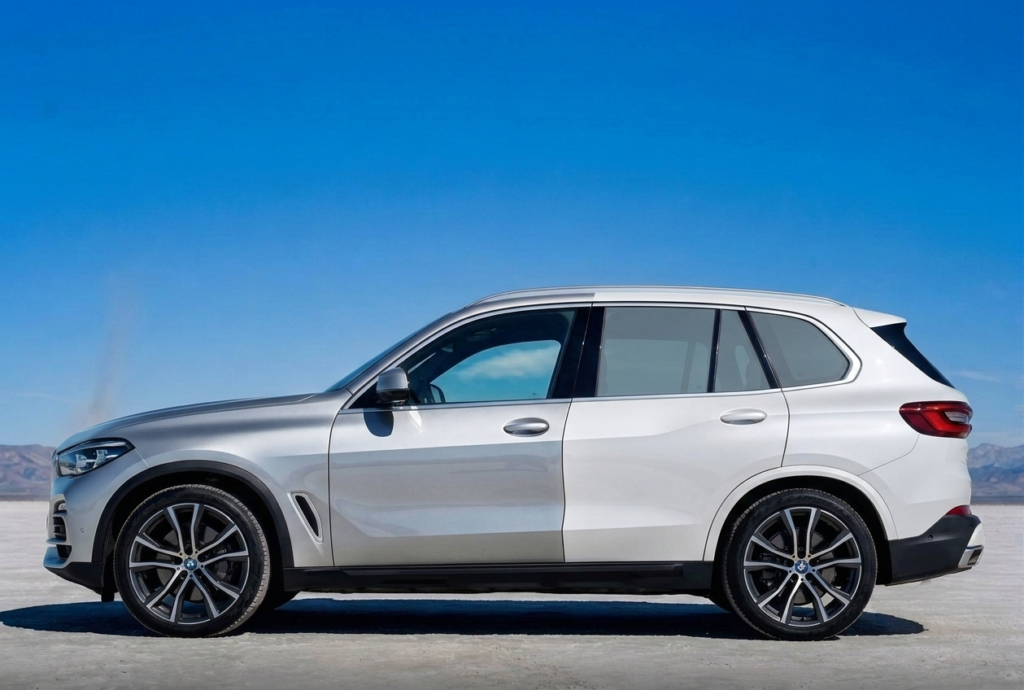
At the opposite end of the spectrum are lighter colors such as white, silver and light gray.
These colors reflect a greater proportion of incoming sunlight, meaning less solar energy is converted into heat at the surface.
White paint, for example, can reflect roughly 60–80 percent of visible sunlight, depending on the paint and its formulation.
This is one reason white and silver vehicles are often noticeably cooler to the touch than black vehicles after being parked in the same conditions.
What About Red, Yellow and Orange?
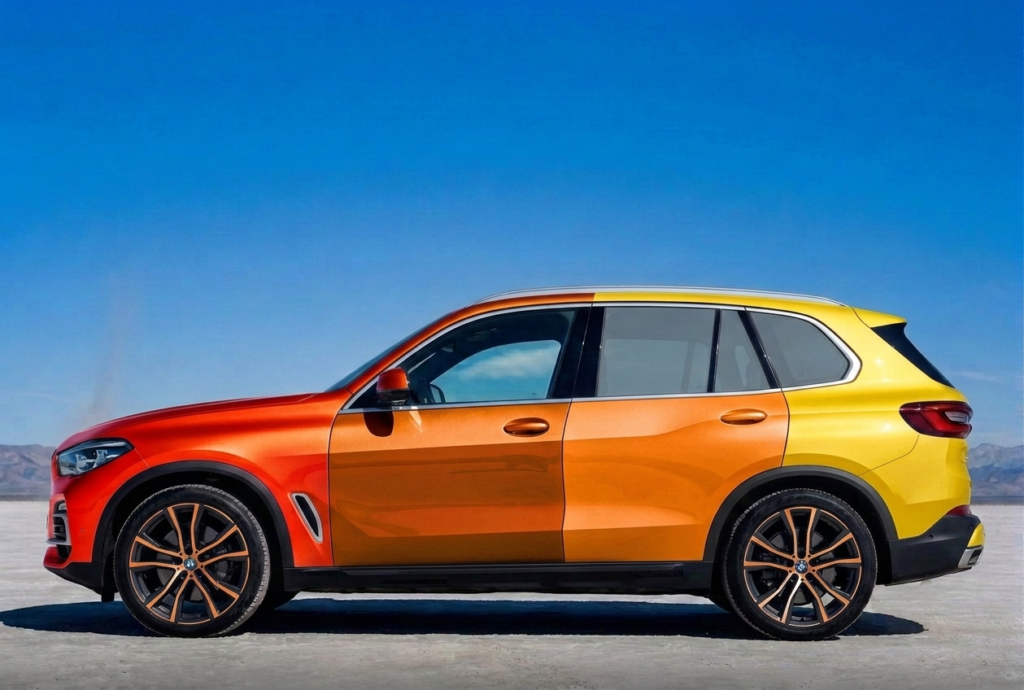
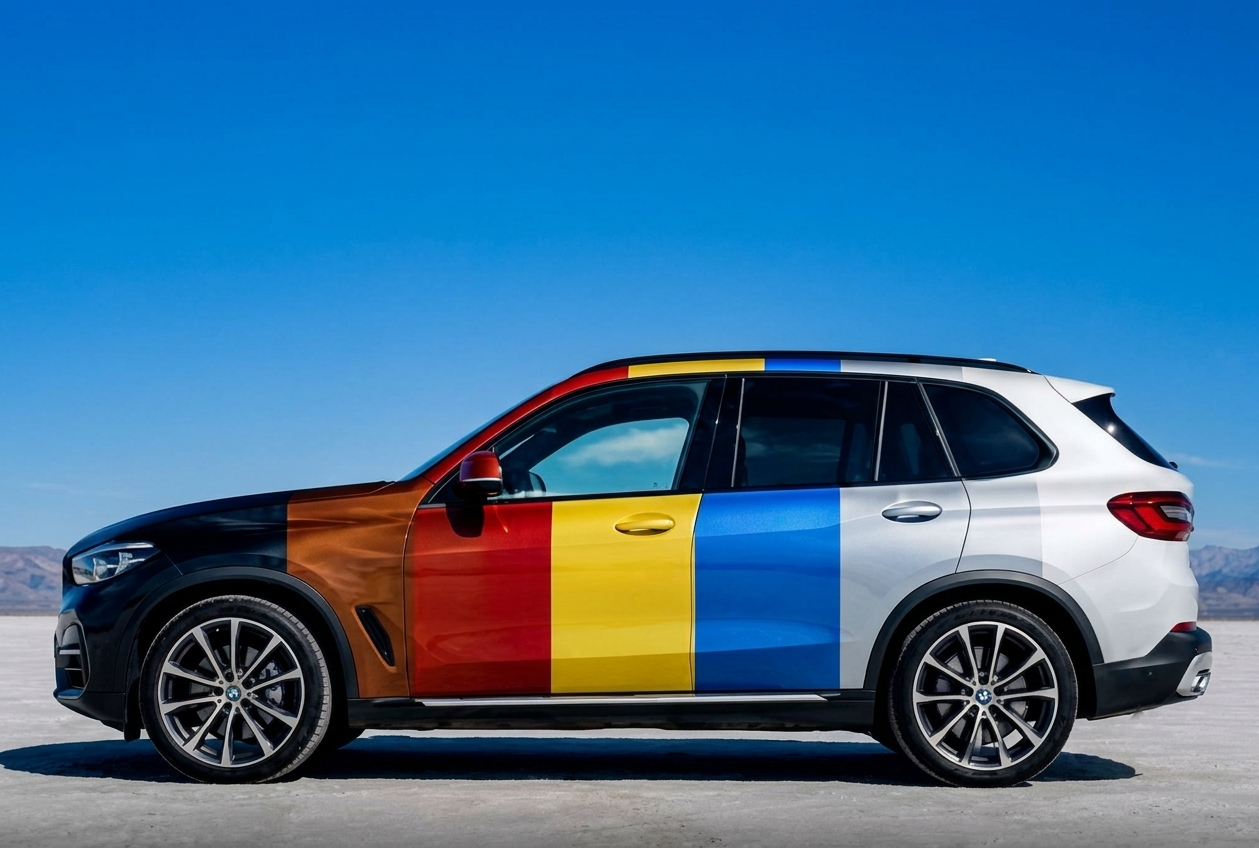
Bright colors such as red, yellow and orange sit somewhere between dark and light colors.
They generally reflect more sunlight than black, but they can still absorb a significant amount of solar energy compared with highly reflective colors such as white and silver.
However, simply looking at a car’s visible color does not tell the whole story.
Two cars that appear similar in color can behave differently depending on the pigments and technology used in their paint. Some modern automotive coatings use special pigments designed to reflect more infrared radiation, potentially reducing heat absorption without dramatically changing the car’s appearance.
How Much Hotter Can a Black Car Get?
Under identical sunlight and environmental conditions, the surface of a black vehicle can become approximately 10–15°C hotter than the surface of a comparable white vehicle.
The difference is particularly noticeable when both cars have been sitting under direct sunlight for an extended period.
The cabin, however, is a slightly different story.
Studies and real-world measurements can show differences of around 5–8°C in cabin air temperature between dark and light-colored vehicles under comparable conditions.
That difference may sound relatively small compared with the temperature of the exterior body panels, but it can make a significant difference to how uncomfortable the car feels when you first get inside.
The Interior Color Matters Too
The exterior paint is only part of the equation.
A car with a black exterior and a black interior can become especially uncomfortable because dark materials inside the cabin absorb a large amount of heat.
Black leather seats, dashboards and trim can become extremely hot when exposed to sunlight through the windows.
A lighter-colored interior — such as beige, cream or light gray — generally absorbs less solar energy and can remain cooler.
This is also why two cars with exactly the same exterior color can feel different inside if their interior materials and colors are different.
Window Tint Can Make a Bigger Difference
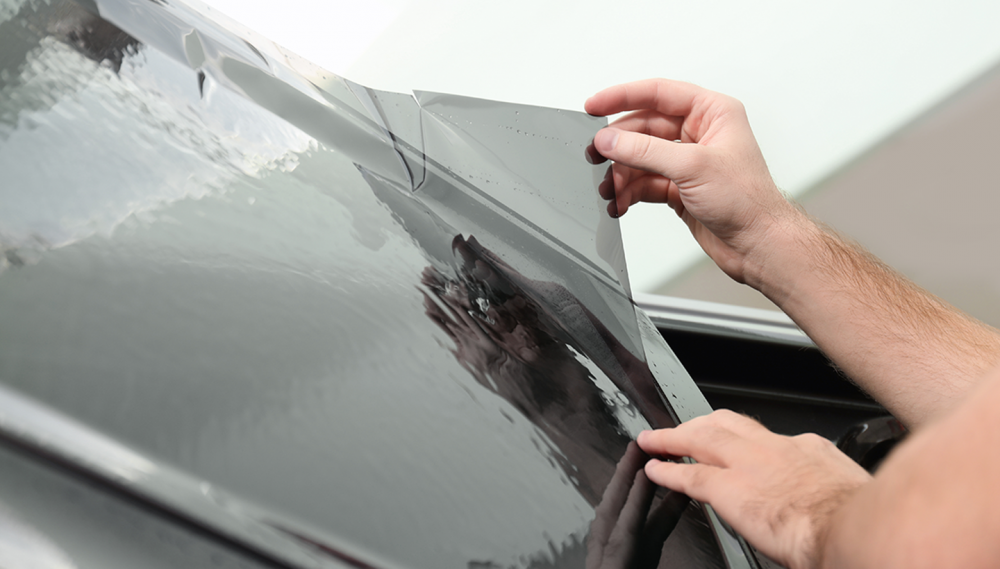
If you want to keep your car’s cabin cooler, the color of the paint is not necessarily the most important factor.
Window tint plays a major role.
A high-quality film with a high Total Solar Energy Rejected (TSER) rating can significantly reduce the amount of solar energy entering the cabin.
This can help keep the interior cooler regardless of whether the car is black, white, red or silver.
In other words, choosing a white car may give you an advantage against solar heat, but good solar-control glass or window film can have an even more noticeable effect on the cabin environment.
Does a Dark Car Use More Fuel?
There is also a small efficiency penalty associated with a hotter cabin.
When the interior starts at a higher temperature, the air-conditioning system has to work harder and for longer to bring the cabin down to a comfortable temperature.
In a conventional gasoline or diesel vehicle, that additional air-conditioning load can slightly increase fuel consumption.
For an electric vehicle, the effect is particularly relevant because the air-conditioning system draws energy directly from the battery.
The difference is generally not large enough to make paint color a decisive factor when buying a car, but over repeated hot-weather cycles, every additional demand on the cooling system can contribute to energy consumption.
Paint Technology Is Changing the Game
Modern automotive paint technology is also making the simple black-versus-white comparison less straightforward.
Special reflective pigments and infrared-reflective coatings can be engineered to reflect portions of the sun’s infrared radiation that would otherwise become heat.
Ceramic coatings and other protective treatments can also influence how a vehicle’s surface interacts with sunlight, although their primary purpose is usually paint protection rather than turning a dark-colored car into a cool one.
So, a modern dark-colored vehicle equipped with heat-reflective paint technology may perform differently from an older vehicle with conventional dark pigments.
So, Which Car Color Is Best for Hot Weather?
If your only priority is minimizing solar heat, white and other light colors generally have the advantage.
Dark-colored cars absorb more solar energy and can develop significantly higher surface temperatures. Light-colored cars reflect more radiation, helping keep the exterior cooler and reducing some of the heat transferred toward the cabin.
But paint color is only one piece of the puzzle.
Window tint, glass specifications, interior color, ventilation, parking position and even the type of paint used can all influence the final temperature inside the vehicle.
So yes, car color really can affect how hot your vehicle becomes in the sun.
A black car will generally get hotter than a white one under the same conditions, but the difference in cabin temperature is not determined by paint color alone.
If you live somewhere with intense year-round sunshine, choosing a lighter exterior, a heat-rejecting window film and a lighter interior can be a surprisingly effective combination.
And the next time you see two identical cars — one black and one white — sitting side by side under the midday sun, there is a good chance the black one is having a much hotter day.
What do you think? Does car color make a noticeable difference where you live? Let us know in the comments.

Adhe is part of the 88 Eight Box Editorial Team, covering JDM culture, motorsport, automotive technology, and industry news. The team focuses on delivering original automotive stories, reviews, and insights for enthusiasts worldwide.